
How to Protect Your Skin from Sun Damage Without Sunscreen: Alternatives Explored

· By Ariful Islam
Quick answer: You can protect your skin from sun damage without sunscreen by using a combination of UPF-rated clothing, hats, sunglasses, seeking shade during peak hours, and applying mineral-based physical barriers like zinc oxide creams. Natural oils such as raspberry seed and coconut oil offer limited UV defense and should be combined with physical protection methods to effectively reduce sun exposure in Bangladesh’s sunny climate. For detailed sunscreen selection, visit our guide on how to choose between physical and chemical sunscreens.
- UPF clothing blocks UV rays effectively and is a practical alternative to sunscreen.
- Mineral-based physical barriers like zinc oxide provide reliable sun protection without chemicals.
- Natural oils offer minimal SPF and are not sufficient alone but can help soothe skin.
- Combining protective accessories like hats and sunglasses improves overall defense.
- Sun avoidance during peak UV hours significantly reduces skin damage risk.
What are the most effective non-sunscreen products for sun protection?
The most effective non-sunscreen products include UPF-rated clothing, physical barriers like zinc oxide and titanium dioxide, wide-brimmed hats, and UV-protective sunglasses.
UPF clothing is specifically designed to block ultraviolet rays and can offer protection equivalent to SPF 30 or more, making it a top alternative for daily wear. Zinc oxide-based creams act as physical reflectors, scattering UV rays without absorption into the skin. Sunglasses and hats protect critical areas such as eyes and face. Together, these products reduce sun exposure in a controlled way, particularly useful in Bangladesh where high midday sun intensity is common. Incorporating these products into your routine reduces reliance on chemical sunscreens and their potential irritation.
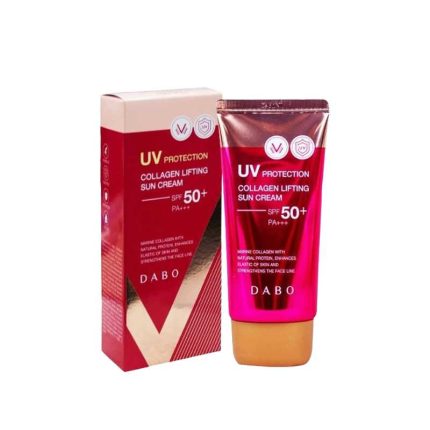
For example, MoreShopBD offers a wide range of UPF clothing and zinc oxide physical sunscreens, tailored for the Bangladesh market and climate.
Recommended Products
 Sale
Original price was: ৳ 440.00.৳ 308.00Current price is: ৳ 308.00.
 Sale
Original price was: ৳ 1,650.00.৳ 1,450.00Current price is: ৳ 1,450.00.
 Sale
Original price was: ৳ 1,600.00.৳ 1,150.00Current price is: ৳ 1,150.00.
 Sale
Original price was: ৳ 900.00.৳ 650.00Current price is: ৳ 650.00.
How much sun protection do natural oils provide compared to sunscreen?
Natural oils like coconut and raspberry seed oil provide an estimated SPF between 4 to 6, which is far less than the recommended SPF 30 or above in sunscreens.
While these oils contain antioxidants and fatty acids that may offer limited UV absorption, their protection level is insufficient if exposed to direct sun for long periods. Coconut oil has a natural SPF of about 4 to 5, and raspberry seed oil sometimes claims SPF 28 to 50 in some studies, but these are variable and unregulated numbers. Therefore, using these oils alone for sun protection is risky. Combining oils with physical barriers or protective clothing is essential for adequate defense.
MoreShopBD lists affordable natural oils suitable for skin nourishment, but you should complement them with other protective measures.
What lifestyle changes help reduce sun damage without using sunscreen?
Simple lifestyle changes such as seeking shade during peak sunlight hours (10 AM to 4 PM), wearing UPF-certified clothes, broad-brimmed hats, and UV-blocking sunglasses significantly reduce sun damage.
Avoiding direct sun exposure, especially in Bangladesh’s hot summers, minimizes UVA and UVB radiation exposure. Planning outdoor activities in the early morning or late afternoon protects your skin naturally. Using umbrellas and shaded outdoor seating also offers effective shielding. The habit of regular hydration and skin moisturizing aids skin health but does not replace sun protection.
This holistic approach allows you to stay sun-safe even if you prefer to avoid sunscreen or have sensitive skin.
Are mineral-based sunscreens a better choice for sensitive skin and sun protection?
Yes, mineral-based sunscreens using zinc oxide and titanium dioxide are better suited for sensitive skin due to their physical UV blocking action and lower irritation risk compared to chemical sunscreens.
These mineral sunscreens form a barrier that reflects UV rays without penetrating the skin. This reduces allergic reactions, making them preferred for children or people with skin conditions. MoreShopBD stocks mineral-based physical sunscreens that are non-comedogenic, reef-safe, and free from oxybenzone or avobenzone, common irritants in chemical alternatives. For sensitive skin prone to reactions, see expert guidance on managing skin allergies caused by sunscreens.
Although slightly less cosmetically elegant, these products are excellent for daily protection, especially when combined with UPF clothing or shade strategies.
Is UPF clothing really a viable alternative to sunscreen?
UPF clothing offers consistent and reliable sun protection by blocking at least 98% of UV radiation, depending on fabric type and construction, making it a practical alternative or complement to sunscreen.
Specially woven fabrics labeled with a UPF (Ultraviolet Protection Factor) rating of 30 or higher provide measurable defense against UV rays. Clothing covers large skin areas without the need for frequent reapplication like sunscreen. It is ideal for outdoor workers, children, or anyone spending extended time outdoors in Bangladesh’s strong sun. However, it cannot protect exposed areas like the face or hands, which would require additional protection.
This makes UPF clothing a key component of a sun-safe wardrobe and part of the recommendations in MoreShopBD’s sun protection collections.
What are the limitations of relying solely on alternative sun protection methods?
Alternative methods alone, such as natural oils or clothing, might not provide comprehensive UV protection, especially for prolonged sun exposure or sensitive skin areas.
Natural oils have unreliable SPF levels and do not protect evenly, while clothing coverage varies and does not protect face or neck without accessories. Shade is effective only when accessible, and physical mineral sunscreens must be applied correctly and re-applied after sweating or washing. Hence, combining these methods is crucial to avoid sunburn, premature aging, or skin cancer risks.
Understanding these limits ensures you make informed choices on when and how to supplement alternatives with conventional sunscreens. For exact information on physical and chemical sunscreens, visit the comprehensive guide on physical vs chemical sunscreens.
How to decide which sunscreen alternative fits your lifestyle and needs?
Choosing the right sunscreen alternative depends on your skin sensitivity, outdoor activity level, budget, and climate in Bangladesh.
For daily urban commuters, lightweight UPF clothing combined with mineral-based physical sunscreen on exposed skin is optimal. Outdoor workers benefit from layered protective clothing, wide-brimmed hats, and zinc oxide creams for highly exposed areas. Those with sensitive or acne-prone skin should prioritize mineral sunscreens and avoid oily natural oils that may clog pores. Budget-conscious consumers can invest in multipurpose UPF clothing and affordable mineral sunscreens from trusted brands on MoreShopBD, striking a balance between cost and protection.
Decision framework:
- If you spend less than 30 minutes outdoors daily, choose UPF clothing with occasional mineral sunscreen on the face due to minimal exposure.
- If outdoors for more than 2 hours, combine UPF clothing, regular application of zinc oxide cream, and shade-seeking for maximum safety.
- If you have sensitive skin, prioritize mineral-based sunscreens and avoid chemical formulas and oily natural oils.
- If you prefer natural options, use antioxidant-rich skincare after sun exposure along with physical protection methods.
This approach helps you customize sun protection to your precise needs and lifestyle.
Which one fits you? Reader profiles and sunscreen alternative recommendations
- Beginner: Try UPF clothing and zinc oxide mineral sunscreen for easy, effective protection without complex routines.
- Tight Budget: Invest in versatile UPF-rated hats and clothing and supplement only exposed areas with mineral-based creams from affordable brands on MoreShopBD.
- Outdoor Worker: Layer light UPF clothing, wide-brimmed hats, and large-coverage mineral sunscreen. Reapply every 2-3 hours due to sweat.
- Sensitive Skin User: Minimize chemical products, choose titanium dioxide or zinc oxide sunscreens, and use shade or protective clothing.
These tailored recommendations help you achieve effective sun protection without relying solely on traditional sunscreen lotions.
What common mistakes do people make when using sunscreen alternatives?
- Overestimating protection from natural oils and not pairing them with physical barriers.
- Ignoring reapplication of mineral sunscreens after sweating or water exposure.
- Assuming UPF clothing protects all skin areas and neglecting exposed face and hands.
- Not adjusting sun protection habits based on time of day or intensity of sun exposure.
- Using chemical sunscreens unknowingly causing skin irritation when wanting to avoid them.
Avoiding these errors ensures your sunscreen alternatives deliver the protective benefits you expect.
Comparing common sunscreen alternatives: price, use cases, strengths, and limits
| Option | Price Range in Bangladesh (BDT) | Best For | Key Strengths | Main Limits |
|---|---|---|---|---|
| UPF Clothing | 1000 – 3500 per piece | Daily urban wear, long outdoor activities | Consistent broad protection, no reapplication | Does not cover face/hands, initial cost |
| Zinc Oxide Mineral Sunscreen | 600 – 1500 per 50ml | Sensitive skin, precise coverage | Physical UV blocking, less irritation | Needs reapplication, visible residue |
| Natural Oils (Coconut, Raspberry Seed) | 300 – 800 per 50ml | Skin nourishment, minimal sun exposure | Antioxidant benefits, moisturizing | Low SPF, insufficient alone |
| Shade & Accessories (Hats, Sunglasses) | 500 – 2500 | Face and eyes protection | Immediate physical barrier | Limited full body protection |
How to incorporate sunscreen alternatives into your daily routine in Bangladesh?
Start your day by wearing UPF-rated clothing and a wide-brimmed hat before leaving home. Apply a mineral-based zinc oxide cream to your face, ears, and any exposed skin. When outdoors for extended periods, seek shade and wear UV-protective sunglasses. Reapply sunscreen alternatives after sweating or washing your face. After sun exposure, soothe your skin using aloe vera gel or antioxidant-rich moisturizers from MoreShopBD’s collection.
This routine balances sun protection with skin care tailored to Bangladesh’s climate and common outdoor habits.
Can tinted moisturizers and BB creams serve as sunscreen alternatives?
Tinted moisturizers and BB creams often contain SPF and physical blockers like iron oxide or titanium dioxide, providing moderate sun protection combined with skin coverage. While not a replacement for dedicated sunscreen, they are convenient for everyday light sun exposure and can reduce reliance on traditional sunscreens.
For Bangladeshi shoppers seeking makeup and sun protection combo products, MoreShopBD offers options with SPF 15 to 30, suitable for urban daily use. Remember, these should complement UPF clothing and sun avoidance, not replace them completely.
Which antioxidants help protect and repair skin from sun damage?
Vitamin C, vitamin E, niacinamide, and green tea extract are antioxidants that can reduce oxidative stress caused by UV rays and aid skin repair. While they do not block UV rays directly, antioxidant-rich serums and moisturizers improve your skin’s resilience.
Using these alongside physical barriers enhances overall skin health, particularly in Bangladesh’s polluted urban environment. Visit MoreShopBD’s range of antioxidant serums and creams to find budget and premium options.
How much does proper sun protection cost using alternatives in Bangladesh?
UPF clothing prices range from 1000 to 3500 BDT per garment, zinc oxide mineral sunscreens cost 600 to 1500 BDT for 50ml, and protective hats and sunglasses range from 500 to 2500 BDT. Investing upfront in these items provides durable protection without the need for daily sunscreen repurchases. For example, purchasing two UPF shirts plus a zinc oxide cream annually may cost approximately 4000 to 6000 BDT, a cost-effective alternative to repeated sunscreen use.
MoreShopBD offers competitive pricing and frequent sales on these products, ideal for Bangladeshi consumers buying online.
What product features matter most when choosing physical sun blockers?
Look for minerals such as non-nano zinc oxide or titanium dioxide labeled as “broad spectrum” for UVA and UVB protection. Check for water resistance if you sweat or swim frequently. Fragrance-free and hypoallergenic formulas suit sensitive skin better. Products with added moisturizers help prevent dryness common in tropical climates. MoreShopBD stocks mineral sunscreens with these features from popular brands catering to Bangladeshi buyers.
FAQs About Sunscreen Alternatives for Sun Protection
- What natural ingredients provide sun protection? Natural ingredients like raspberry seed oil and coconut oil provide minimal SPF values between 4 and 6 but are not sufficient alone for full protection.
- How effective is clothing compared to sunscreens? UPF clothing blocks up to 98% of UV rays, offering effective, consistent protection without reapplication, unlike sunscreens that require frequent use.
- Can mineral sunscreens cause skin irritation? Mineral sunscreens are less likely to cause irritation because they act as physical barriers; however, some individuals may react to additional ingredients in formulas.
- How often should I reapply mineral sunscreen? Mineral sunscreens should be reapplied every 2 hours or after sweating, swimming, or towel drying to maintain protection.
- Are tinted moisturizers good sunscreen replacements? Tinted moisturizers with SPF provide moderate protection and can supplement other methods but should not replace broad-spectrum sunscreens entirely.
This comprehensive guide helps you confidently choose and combine effective sunscreen alternatives suited to your unique lifestyle and skin needs in Bangladesh. For an in-depth comparison of physical and chemical sunscreens, see our main guide on physical vs chemical sunscreens.