
What Are Safe and Effective Alternatives to Eye Creams for Eye Care?


· By Ariful Islam
Quick answer: Safe and effective alternatives to eye creams for eye care include natural options like aloe vera gel, cucumber slices, and jojoba oil, as well as cosmetic alternatives such as lightweight serums containing peptides, retinol, or caffeine. These options help soothe, hydrate, and reduce puffiness or dark circles without the need for traditional eye creams. For more detailed eye care routines, visit our main guide on eye cream use tips and eye health care.
- Natural remedies like aloe vera and cucumber soothe and hydrate without irritation.
- Lightweight serums with peptides or caffeine can target puffiness and fine lines effectively.
- Oils such as jojoba and rosehip provide gentle nourishment for sensitive skin around the eyes.
- Simple lifestyle practices significantly improve under-eye skin health alongside alternatives.
What natural alternatives to eye creams are commonly used for eye care?
Common natural alternatives to eye creams include aloe vera gel, cucumber slices, cold green tea bags, coconut oil, jojoba oil, almond oil, and rosehip oil. These ingredients moisturize, soothe irritation, reduce puffiness, and sometimes help with dark circles.
Aloe vera gel hydrates the delicate under-eye skin and has anti-inflammatory properties. Cucumber slices and cold tea bags provide a cooling effect that reduces swelling. Oils like jojoba and rosehip contain vitamins and antioxidants that repair and nourish skin without heavy chemicals. These natural options are ideal if you prefer avoiding synthetic ingredients or creams but require regular application for best results.
For more on moisturizers suited for sensitive skin, our article on jojoba oil benefits for skin care explains its specific advantages for the eye area.
Recommended Products
 Sale
Original price was: ৳ 1,050.00.৳ 800.00Current price is: ৳ 800.00.
 Sale
Original price was: ৳ 650.00.৳ 520.00Current price is: ৳ 520.00.
 Sale
Original price was: ৳ 650.00.৳ 450.00Current price is: ৳ 450.00.
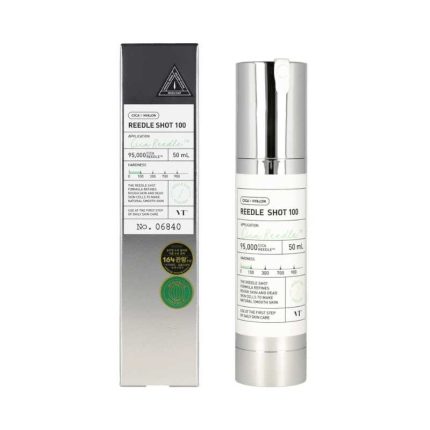 Sale
Original price was: ৳ 3,880.00.৳ 2,710.00Current price is: ৳ 2,710.00.
Can cosmetic serums replace traditional eye creams effectively?
Yes, cosmetic serums formulated with active ingredients like peptides, niacinamide, caffeine, or vitamin E can effectively replace traditional eye creams by targeting specific concerns like puffiness, fine lines, and dark circles.
Serums are typically lightweight, fast-absorbing, and can penetrate deeper than creams, delivering potent ingredients directly to the skin. Peptides stimulate collagen production, niacinamide brightens the area, while caffeine reduces puffiness by constricting blood vessels. Brands available on MoreShopBD like Medicube Booster Pro and vitamin C serums provide such alternatives that may suit users looking for targeted and non-greasy solutions.
Choosing such serums depends on your skin type and concern; for example, retinol-based products work well for wrinkle reduction but may not suit very sensitive under-eye skin without professional guidance. Our linked guide on eye cream ingredients for dark circles and puffiness can help you understand active components.
How do oils compare to eye creams as an alternative for eye care?
Oils like rosehip, almond, jojoba, and coconut oil are hydrating and anti-inflammatory, making them gentle alternatives to eye creams, especially useful for dry or sensitive skin types.
These oils provide essential fatty acids and antioxidants that promote skin repair and improve elasticity. Rosehip oil, for instance, contains vitamin A and C, which can brighten skin and reduce signs of aging. However, oils may feel heavier and can cause clogged pores if overused or mismatched to your skin type.
Coconut oil is praised for smoothing fine lines, but it is comedogenic and not recommended for oily or acne-prone skin. Choosing the right oil for you involves patch testing and seeing how your skin responds. For oily skin, lightweight jojoba oil mimics the skin’s natural sebum and absorbs well without residue.
What simple lifestyle habits enhance the effects of eye cream alternatives?
Lifestyle changes such as getting adequate sleep, staying hydrated, protecting your skin from UV rays with sunscreen, and limiting screen time are essential complements to any eye care routine, cream-based or not.
Poor sleep can cause dark circles and puffiness, while dehydration dries the skin. Sun damage accelerates aging and discoloration in the sensitive eye area. Using sunglasses and daily broad-spectrum sunscreen with at least SPF 30 protects your skin from harmful UVA and UVB rays. Reducing long hours looking at screens also minimizes eye strain and related puffiness.
Integrating these habits helps prolong the benefits of natural and cosmetic eye care alternatives and supports overall skin health.
Which one fits you? Eye cream alternatives by user profile
- Beginner: Choose soothing options like aloe vera gel or cooled cucumber slices, which are easy, affordable, and safe for any skin type.
- Tight budget: Use cold green tea bags or petroleum jelly as low-cost remedies for puffiness and moisture retention; available easily through MoreShopBD or local markets.
- Sensitive skin: Select pure jojoba or almond oil because they are hypoallergenic and less likely to cause irritation.
- Targeted treatment seekers: Opt for lightweight serums with peptides or caffeine from MoreShopBD’s cosmetic line, such as Medicube Booster Pro, for a non-cream but effective solution.
How much do eye cream alternatives cost in Bangladesh?
Natural alternatives like aloe vera gel, cucumber, and green tea bags are very affordable and mostly obtainable at local stores or health markets in Bangladesh for under 200 BDT per item.
Oils such as jojoba and rosehip typically range from 400 to 1,000 BDT per 30 ml bottle on MoreShopBD online shopping platforms. Cosmetic serums with peptides or caffeine may cost between 1,200 and 3,000 BDT depending on the brand and formulation.
For cost-conscious shoppers, using natural remedies regularly and supplementing with a budget-friendly serum can be a balanced approach. Check pricing and deals currently available on MoreShopBD to ensure the best value for your purchase.
Decision framework to choose eye cream alternatives: Ingredients, skin type, and goals
Choosing the right eye cream alternative requires balancing your skin type, specific concerns, and product ingredients rather than picking based solely on popularity or price.
For example, if your primary concern is dark circles caused by pigmentation, look for alternatives with niacinamide or vitamin C. For puffiness, caffeine-based serums or cold compress options like tea bags may work best. If hydration and wrinkle prevention is your goal, oils rich in antioxidants like rosehip or vitamin E are beneficial.
Those with sensitive skin should prioritize hypoallergenic and fragrance-free options, avoiding retinol or citrus-based natural products that may trigger reactions.
This framework helps you avoid common mistakes such as using heavy oils on oily skin or irritating retinol without buildup, ultimately saving cost and improving results. For a full guide on proper eye cream use, see eye cream tips for eye care.
What are common mistakes when using eye cream alternatives?
- Applying too much product, which can cause milia or blocked pores under the eyes.
- Ignoring patch tests, especially with oils or serums, resulting in allergic reactions.
- Expecting immediate results; natural alternatives require consistent use over weeks.
- Skipping sun protection that undermines skin repair and causes further pigmentation.
- Using harsh ingredients like retinol or acids around eyes without professional advice.
Avoiding these pitfalls improves both safety and effectiveness when switching from eye creams to alternatives.
How should you apply natural eye cream alternatives safely?
Apply natural alternatives like gels, oils, or serums gently with your ring finger to avoid excessive pressure. Use a pea-sized amount and dab lightly around the orbital bone, never too close to the eye itself.
For natural compresses such as cucumber slices or cooled tea bags, place on closed eyes for 10-15 minutes to reduce puffiness. Always cleanse your face before application to reduce irritation risk.
Storage is important too; keep oils and gels in a cool, dark place to preserve their properties and avoid contamination.
How do eye cream alternatives affect different age groups?
Younger adults in their 20s or 30s may benefit from moisturizing natural options like aloe vera or jojoba oil for maintenance without heavy products. Middle-aged users might prefer serums with peptides or retinol alternatives to target early signs of aging.
Older adults with more delicate skin should choose gentle options carefully and may need consultation from a dermatologist to combine natural alternatives with prescribed treatments. MoreShopBD offers a wide range of suitable products across age categories.
How do alternatives compare to eye creams for treating dark circles?
Dark circles come from various causes such as pigmentation, blood vessel visibility, or thin skin. Eye creams containing niacinamide, vitamin C, or caffeine are clinically shown to improve pigmentation and circulation.
Natural alternatives like cucumber slices and cold green tea bags help reduce puffiness and give temporary brightness but offer limited long-term pigmentation correction. Rosehip oil has mild brightening effects through vitamin A but is not as targeted as topical creams.
Choosing alternatives depends on root cause; for persistent dark circles, serums or creams with proven actives may be necessary, but natural remedies are ideal for mild concerns or when creams irritate.
What are safe alternatives for sensitive or allergy-prone skin?
If you have sensitive skin, hypoallergenic natural ingredients like aloe vera gel or jojoba oil are safe choices. Avoid coconut oil or citrus extracts which may cause irritation or allergies.
Fragrance-free cosmetic serums designed for sensitive skin, often labeled non-comedogenic, are preferable. Consulting a dermatologist before introducing retinol or peptides near eyes is important for allergy-prone users.
MoreShopBD offers several fragrance-free and dermatologist-tested products suitable for sensitive skin.
Which alternatives work best to reduce eye puffiness?
Caffeine-containing serums and cold compresses like green tea bags or chilled spoons effectively reduce puffiness by constricting blood vessels and soothing inflammation.
Petroleum jelly also locks in moisture and can aid in reducing swelling overnight. Among oils, almond oil’s anti-inflammatory properties help as well.
Using these alternatives consistently alongside lifestyle changes like proper sleep enhances results for puffiness.
How do petroleum jelly and classic ointments serve as eye cream alternatives?
Petroleum jelly, an occlusive agent, locks in moisture and helps heal dry under-eye skin but does not target pigmentation or wrinkles. It is often recommended at night as a protective barrier.
Some users turn to multi-purpose ointments like Egyptian Magic, containing beeswax and olive oil, which provide hydration without harsh chemicals. These are useful for very dry or irritated skin.
However, ointments lack active ingredients that anti-age creams have, so they are better as a supplementary option.
What are the limitations of natural and cosmetic eye cream alternatives?
Natural remedies generally provide hydration and soothing effects but lack concentrated ingredients like retinol or peptides that reduce fine lines or firm skin. Some oils can clog pores or cause breakouts if not chosen properly.
Cosmetic serums sometimes produce irritation without adaptation, especially if they contain retinol, so they may not suit everyone.
Understanding these trade-offs helps you pick an alternative that matches your expectations and skin’s needs.
What internal links can guide your next steps after this article?
Learn about applying eye creams properly at how often and when to apply eye cream. For those seeking specific effective ingredients, visit eye cream ingredients targeting dark circles. Finally, explore top 5 eye creams for dark circles and puffiness if you reconsider creams later.
Frequently Asked Questions
What are some natural alternatives to eye creams for eye care?
Natural options include aloe vera gel, cucumber slices, cold tea bags, and jojoba oil, which soothe and hydrate the delicate under-eye skin without chemicals.
Can I use oils instead of eye creams?
Yes, oils like coconut, almond, and rosehip are gentle moisturizers that help reduce fine lines, especially for dry or sensitive skin, but test first to avoid irritation.
Are eye cream alternatives as effective as traditional eye creams?
They can be effective for hydration and mild concerns, but may lack potent actives found in creams designed to treat deep wrinkles or significant pigmentation.
How do I choose the best eye care alternative for sensitive skin?
Opt for hypoallergenic, fragrance-free products like pure aloe vera or jojoba oil, and avoid harsh ingredients to prevent irritation around the eyes.
What lifestyle changes complement eye cream alternatives?
Good sleep, hydration, daily sun protection, and reducing screen time support healthy eye skin and enhance results from all eye care products.