
How to Manage Sensitive Skin Reactions Caused by New Skincare Products?

· By Ariful Islam
Quick answer: To manage a sensitive skin reaction caused by new skincare products, immediately stop using the offending product, soothe the skin with a gentle cleanser and fragrance-free moisturizer, and apply over-the-counter hydrocortisone cream or oral antihistamines if necessary. Perform patch tests with new products, avoid known irritants, and gradually introduce products to minimize risk. For prolonged or severe reactions, consult a dermatologist promptly. Proper prevention and early response are key to calming sensitive skin effectively.
- Stop using the product immediately upon reaction.
- Use mild cleansers and moisturizers designed for sensitive skin.
- Apply hydrocortisone cream or antihistamines for relief.
- Always perform patch tests before applying new products.
- Seek professional help for severe or lasting reactions.
What Are the First Steps to Take When You Experience a Skin Reaction?
The first step is to discontinue the use of the new skincare product immediately.
Stop applying the product causing the reaction as continued use worsens symptoms. Gently cleanse your skin with lukewarm water and a mild, soap-free cleanser to remove any residue. Avoid scrubbing or using hot water, which aggravates sensitive skin. After cleansing, apply a fragrance-free, hypoallergenic moisturizer like those available through MoreShopBD to restore the skin’s moisture barrier. Applying an over-the-counter 1% hydrocortisone cream can reduce itching and inflammation. Oral antihistamines, such as cetirizine or loratadine, help with swelling and itchiness, but consult a healthcare professional before use. This immediate care helps calm inflammation and speeds healing.
This approach is recommended before considering more intensive treatments and prevents worsening or secondary infection. For detailed signs and definitions of sensitive skin, see our main guide on recognizing sensitive skin symptoms.
Recommended Products
 Sale
Original price was: ৳ 3,200.00.৳ 2,150.00Current price is: ৳ 2,150.00.
 Sale
Original price was: ৳ 1,000.00.৳ 940.00Current price is: ৳ 940.00.
 Sale
Original price was: ৳ 510.00.৳ 470.00Current price is: ৳ 470.00.
How Can You Identify a Sensitive Skin Reaction to Skincare Products?
Sensitive skin reactions typically show redness, itching, or burning sensation within hours or days of product use.
Common symptoms include redness, itching, swelling, dry or flaky skin, and sometimes small bumps or rash in the treated area. The onset might be immediate or delayed based on the ingredient causing irritation or allergic contact dermatitis. Symptoms often localize on the face or hands, especially with newly introduced creams, serums, or cleansers. For example, high concentrations of alpha hydroxy acids (AHAs) or Vitamin C can cause irritation if the skin barrier is compromised, so caution is essential. Being familiar with these signs will help you respond quickly to prevent long-term damage.
What Are Common Irritants in Skincare Products That Cause Sensitive Skin Reactions?
Many skin reactions are triggered by irritants like fragrances, alcohol, preservatives, and certain active ingredients in skincare products.
Perfumes and synthetic fragrances frequently cause allergic skin responses. Alcohol-based toners or cleansers can dry and irritate sensitive skin. Ingredients like sodium lauryl sulfate, parabens, and certain preservatives increase the risk of dermatitis. Active ingredients such as benzoyl peroxide, retinoids, and strong AHAs require cautious use. In Bangladesh’s humid climate, sweat can exacerbate sensitivity when combined with these irritants. Choosing hypoallergenic and non-comedogenic products helps minimize reactions. Our guide on affordable sensitive skin products in Bangladesh offers insight into safe ingredient lists suitable for local conditions.
How Important Is a Patch Test Before Trying a New Product?
Patch testing is a crucial step that helps detect potential allergens before applying a product to your entire face or body.
Apply a small amount of the product to a discreet skin patch, such as behind your ear or on the inner forearm, and observe for 24-48 hours. If you notice redness, itching, or swelling, avoid using the product. This simple test is essential for anyone with a history of sensitive skin or allergies. Even products marketed as natural or hypoallergenic can cause reactions, so patch testing avoids unnecessary skin damage. Patch tests prevent compromising your skin barrier, which otherwise can lead to chronic sensitivity or secondary infections.
What Should You Know About Hydrocortisone Cream and Antihistamines for Managing Reactions?
Hydrocortisone cream reduces redness and itching by lowering skin inflammation, while antihistamines block allergic response symptoms.
Over-the-counter 1% hydrocortisone creams are effective for mild to moderate skin irritation but should not be used longer than seven days without medical supervision since prolonged use may thin skin. Oral antihistamines like cetirizine (Zyrtec) or loratadine (Claritin) can mitigate itching and swelling from allergic reactions. These are generally safe for short-term use but must be used cautiously if you have other health conditions. Combining these treatments with moisturizing and avoiding further irritants speeds recovery. For sunscreen-related allergy management, review our tips on protecting sensitive skin from sunscreens.
How Can You Adjust Your Daily Skincare Routine to Prevent Future Reactions?
Switch to gentle, fragrance-free, and hypoallergenic products designed for sensitive skin, and simplify your routine to reduce the risk of reactions.
Use mild, soap-free cleansers and moisturizing creams with minimal ingredients to help maintain your skin’s protective barrier. Avoid excessive exfoliation and limit bath time to 5-10 minutes using lukewarm water. Products containing jojoba oil or ceramides, which restore moisture and barrier function, are beneficial. A consistent routine reduces chances of new sensitivities developing. You can explore recommended routines in the article on building a daily sensitive skin skincare routine. Avoid overloading the skin with multiple active ingredients at once, especially if you have a history of sensitive skin.
A Practical Framework to Decide Whether to Patch Test, Wait, or See a Doctor
Not all skin reactions require medical intervention, but knowing when to self-manage or escalate treatment is essential for sensitive skin sufferers.
Use this decision framework: If the reaction is mild, localized, and appears within 48 hours, perform a patch test and stop the suspected product immediately. If symptoms resolve within 3-5 days with gentle care and hydrocortisone, continue self-care. If redness, swelling, or itching intensifies, spreads, or lasts beyond a week despite stopping the product, consult a dermatologist. Seek urgent care if you experience blistering, intense pain, or signs of infection. This approach prevents unnecessary treatments and ensures timely medical support when truly needed.
In Bangladesh, dermatology clinics in Dhaka and Chittagong offer affordable consultations for sensitive skin issues, and affordable skincare product options are widely available online at MoreShopBD, helping you find suitable alternatives quickly.
Which One Fits You? Tailored Advice for Different Types of Sensitive Skin Shoppers
Beginners: Choose fragrance-free, gentle products from trusted Bangladeshi brands available on MoreShopBD, perform patch tests, and start with low concentrations of actives like Vitamin C or AHA.
Tight budget shoppers: Opt for multi-purpose, derm-approved products designed for sensitive skin, such as simple moisturizers and cleansers, and avoid expensive serums until tolerance is ensured. Check options in the affordable sensitive skin category.
Skincare enthusiasts: Experiment cautiously by introducing one new product every 2-3 weeks, documenting reactions, and choosing brands with transparent ingredient lists. Consider double cleansing and adding soothing gels like jojoba oil variants or ceramide creams.
Families: Choose hypoallergenic products suitable for multiple skin types, minimize ingredient overlap to avoid buildup, and educate family members on patch tests and symptom recognition to prevent serious reactions.
What Are Common Mistakes to Avoid When Managing Sensitive Skin Reactions?
- Continuing to use a product despite symptoms, worsening the reaction.
- Applying multiple treatments simultaneously, making it hard to identify the cause.
- Using hot water or harsh scrubs that damage the skin barrier further.
- Neglecting to perform patch tests before trying new products.
- Ignoring mild symptoms until the problem becomes severe.
Avoiding these mistakes will help your skin recover faster and prevent chronic sensitivity.
How Do Environmental Factors in Bangladesh Impact Sensitive Skin and Reactions?
Humidity, pollution, and harsh sunlight in Bangladesh can worsen sensitive skin and increase reactions to skincare products.
High humidity levels boost sweating, which can irritate skin already compromised by allergic reactions. Air pollution contains particulate matter that can penetrate skin barriers, inflaming sensitive skin and triggering flare-ups. UV exposure intensifies the effects of certain active ingredients like AHAs, increasing irritation risks. Using broad-spectrum sunscreens with physical blockers (zinc oxide, titanium dioxide), as recommended in our sunscreen allergy management guide, is crucial. Protective clothing and reducing outdoor exposure during peak sun hours also help maintain skin health in Bangladesh’s climate.
Which Ingredients Should You Avoid and Which Are Safe for Sensitive Skin?
Avoid fragrances, alcohols, parabens, strong AHAs, retinoids, and sulfates, while choosing products with ceramides, hyaluronic acid, and jojoba oil for soothing effects.
Fragrances and alcohol can cause dryness and irritation. Parabens and preservatives sometimes trigger allergic reactions in sensitive skin. Strong exfoliants like glycolic acid in high concentrations may disrupt delicate skin barriers. Safe ingredients include hyaluronic acid for hydration, ceramides to repair barrier function, and natural oils like jojoba oil for non-comedogenic moisturization. MoreShopBD features a range of gentle skincare with clear ingredient labels so you can shop confidently.
How Do You Recognize and Differ Between Allergic and Irritant Contact Dermatitis?
Allergic contact dermatitis is an immune reaction to a specific allergen, whereas irritant contact dermatitis is caused by direct damage to the skin barrier.
Symptoms overlap but allergy reactions usually occur after a sensitization period and involve itching, redness, and possible blistering. Irritant dermatitis causes immediate burning, dryness, and scaling but less swelling. Identifying the type helps determine if avoidance of allergens or barrier repair is the main strategy. For comparison with related skin conditions, see our article on differences between sensitive skin and skin disorders.
How Can You Safely Reintroduce Skincare Products After a Reaction?
Reintroduce products one at a time with a patch test and monitor skin for two weeks before adding another.
After symptoms resolve, test small amounts of products on unaffected skin to check for delayed reactions. Start using only once a day and build tolerance gradually. Avoid mixing strong actives during reintroduction, and keep the routine simple. Document your observations to pinpoint exact triggers. For more on safely using actives like vitamin C or AHAs, review our guides on AHA skincare side effects and Vitamin C and Alpha Arbutin precautions.
Which Products Are Recommended for Sensitive Skin in Bangladesh’s Online Market?
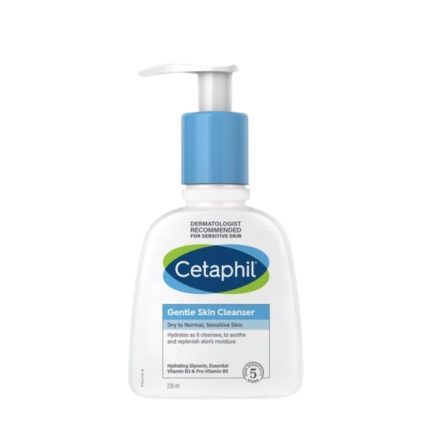
Products like Cetaphil Gentle Skin Cleanser, La Roche-Posay Toleriane Moisturizer, Bioderma Sensibio H2O, and Vitamin C serums with low concentration are popular.
These brands offer gentle, dermatologist-tested formulations ideal for sensitive skin. Local alternatives include Esapharma Lemonvate Cream, which has specific precautions but can be helpful per dermatologists when used correctly. You can buy all these products online in Bangladesh at MoreShopBD with verified authenticity and competitive prices. Avoid unbranded or cheap counterfeit products that may cause severe reactions.
How Much Do Dermatologist Consultations and Allergy Tests Cost in Bangladesh in 2026?
A basic dermatology consultation for skincare reactions in Dhaka costs between 800 to 1,500 BDT, while patch testing or allergy tests may cost 3,000 to 6,000 BDT depending on the clinic.
These prices vary by city and facility type. Some government hospitals offer subsidized tests, but private dermatologists provide faster and more personalized care. Investing in a consultation can save costs from ineffective product purchases. MoreShopBD helps you pick suitable products reducing the need for expensive dermatological interventions.
How Do You Maintain Skin Hydration While Treating Sensitive Skin Reactions?
Use fragrance-free, hypoallergenic moisturizers containing ceramides or glycerin to restore the skin barrier and lock in moisture.
Hydration is key to healing after irritation. Avoid lotions with alcohol or astringents that worsen dryness. Applications should be gentle, ideally right after cleansing while skin is damp. Ingredients like jojoba oil provide non-comedogenic hydration, recommended in our article on jojoba oil benefits for skin. Maintaining hydration supports repair and reduces flare-ups from dryness-induced irritation.
What Are Some Home Remedies That Can Help Calm Sensitive Skin Reactions?
Cold compresses, aloe vera gel, and oatmeal baths gently soothe irritated skin and reduce redness.
Applying a clean, cold compress to the affected area lowers inflammation. Aloe vera gel is known for its calming and anti-inflammatory properties but ensure it has no added fragrances or preservatives. Oatmeal baths are effective for widespread itching and irritation, creating a protective layer on the skin. However, avoid physical scrubs and harsh homemade remedies like lemon or baking soda that can worsen sensitive skin. Always patch test any new natural remedies.
What Are the Signs That Your Reaction Is Not Just Sensitivity but an Infection?
Signs of infection include increased pain, warmth, pus, blistering, and fever accompanying skin irritation.
If the red, swollen area becomes painful to touch, weeps pus, or forms blisters, an infection may have developed needing medical attention. Fever or feeling unwell with skin symptoms also indicates infection. Infections can stem from broken skin caused by scratching or skin barrier damage due to reaction. Prompt consultation with a dermatologist is critical to prevent worsening and complications.
Common FAQs About Managing Sensitive Skin Reaction to Skincare Products
How can I stop a skin reaction caused by a new skincare product?
Stop using the product immediately, wash your face gently with lukewarm water, apply fragrance-free moisturizer, and use hydrocortisone cream if itching persists.
What are the common signs of sensitive skin reaction to skincare products?
Redness, itching, burning, dryness, flaky or swollen skin usually indicate a reaction to a new skincare product.
Can I prevent sensitive skin reactions when trying new skincare products?
Perform patch tests before full application, start with minimal product amounts, and avoid fragrances or harsh chemicals.
Is it safe to use antihistamines for skincare allergies?
Oral antihistamines can reduce allergy symptoms but consult a doctor before use for prolonged or severe reactions.
When should I see a doctor for a skincare product reaction?
Seek medical advice if symptoms worsen, spread widely, cause pain or blistering, or last beyond a week after stopping the product.
Practical Checklist for Managing Sensitive Skin Reactions
- Stop suspected product use immediately.
- Gently cleanse with lukewarm water and mild, fragrance-free cleanser.
- Apply hypoallergenic moisturizer to soothe skin.
- Use OTC hydrocortisone cream for inflammation relief up to 7 days.
- Consult a healthcare professional if severe or persistent symptoms occur.
- Perform patch tests before trying new products.
- Choose products free of common irritants and allergens.
- Protect skin from sun and pollutants.
- Keep skincare routine simple and consistent.
- Document product introductions and reactions carefully.