
Can Papaya Soap Be Used on Sensitive Skin or the Face Safely?

· By Ariful Islam
Quick answer: Papaya soap can be used on the face, including sensitive skin, but only with proper precautions such as patch testing and limited use to avoid irritation. Its natural enzymes may gently exfoliate and brighten the skin, but people with highly sensitive or allergy-prone skin should consult a dermatologist before use. For safe use, choose papaya soaps without harsh chemicals and maintain good moisturizing habits.
- Papaya soap contains natural enzymes that can exfoliate and brighten facial skin.
- It is suitable for sensitive skin only if patch-tested and used cautiously to avoid irritation.
- Avoid soaps with strong detergents or added fragrances on sensitive facial skin.
- Moisturize well after cleansing to maintain skin barrier and hydration.
- Alternatives like glycerin-based or aloe vera cleansers may be better for extremely sensitive skin.
Is papaya soap good for face skin type sensitivity?
Papaya soap can be good for sensitive facial skin if formulated with gentle ingredients and used properly.
Its key component, the papain enzyme, helps gently exfoliate dead skin cells, promoting brightness and clear complexion. However, some papaya soaps may include detergents or fragrances that irritate sensitive skin. For example, Fiorae Papaya Soap, popular in Bangladesh, has a milder formulation that many find acceptable for facial use when used in moderation. Always do a patch test on a small skin area before full-face application to check for adverse reactions. Using the soap once or twice a week is advisable to avoid over-exfoliation and skin dryness. If your sensitive skin shows redness, persistent dryness, or itching, discontinue and consider soothing alternatives. For understanding papaya soap’s brightening benefits, see the MoreShopBD guide on does papaya soap really brighten skin, which explains ingredients in detail.
Recommended Products
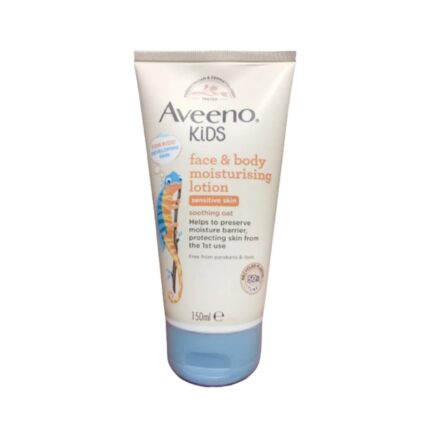 Sale
Original price was: ৳ 1,750.00.৳ 1,349.00Current price is: ৳ 1,349.00.
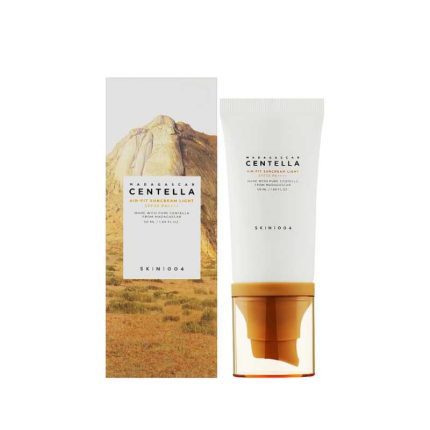 Sale
Original price was: ৳ 2,080.00.৳ 1,456.00Current price is: ৳ 1,456.00.
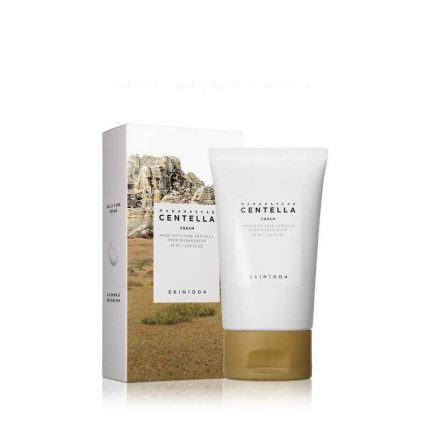 Sale
Original price was: ৳ 2,320.00.৳ 1,624.00Current price is: ৳ 1,624.00.
 Sale
Original price was: ৳ 2,660.00.৳ 1,862.00Current price is: ৳ 1,862.00.
What are the risks of using papaya soap on the face?
The main risks include skin irritation, dryness, allergic reactions, and disruption of the skin barrier if used improperly.
Many papaya soaps contain alpha hydroxy acids and the papain enzyme which accelerate skin cell turnover but can also cause inflammation or sensitivity, particularly on delicate facial skin. Overuse or leaving the soap on the skin too long increases the risk of irritation. Added chemical detergents or artificial fragrances in some brands increase this risk, especially for sensitive and eczema-prone skin types. Allergic reactions to natural papaya or additives can lead to redness, rash, or itchiness. To avoid side effects, stick to papaya soaps designed for facial use, test new products on a small patch, and limit to 1-3 times weekly use. If you experience stinging or discomfort, rinse immediately and switch to gentler cleansers like glycerin or aloe vera based options often recommended for sensitive skin by dermatologists.
How should you apply papaya soap on your face safely?
Apply papaya soap gently with lukewarm water for short durations, then rinse thoroughly and moisturize afterwards.
Start by wetting your face with lukewarm water to open pores slightly without stripping natural oils. Rub the papaya soap between hands to make a creamy lather, then apply it softly on the face using gentle circular motions. Avoid scrubbing hard or applying around the eyes and broken skin. Keep the soap on your face for no more than 30-60 seconds to reduce irritation risk. Rinse well with cool water to close pores and remove all soap residue. Afterwards, apply a hydrating moisturizer suitable for your skin type to restore moisture and support the skin barrier. In Bangladesh’s humid climate, lightweight, non-comedogenic moisturizers help balance hydration without clogging pores. If irritation develops, reduce frequency or discontinue use. This cautious routine helps you benefit from papaya soap’s exfoliation while protecting sensitive skin.
Which papaya soap fits different skin and budget types in Bangladesh?
The right papaya soap depends on your skin sensitivity, skincare goals, and your budget.
- Beginner or sensitive skin user: Choose a mild, fragrance-free Fiorae Papaya Soap variant or similar gentle formulations to minimize irritation risk. These usually cost between BDT 80-150 in Bangladesh and are widely available for online shopping BD.
- Tight budget shopper: Affordable generic papaya soaps priced from BDT 50-100 offer basic exfoliation but check ingredients to avoid harsh detergents.
- Experienced users wanting brightening: Mid-range branded papaya soaps with added moisturizing ingredients, priced BDT 150-300, provide better skin benefits without drying.
- Sensitive or eczema-prone skin: Avoid papaya soap altogether and opt for glycerin- or ceramide-based cleansers recommended by dermatologists to protect skin barrier and hydration.
Choosing according to your needs reduces side effects and improves satisfaction with the product.
When is papaya soap NOT suitable for facial use?
Papaya soap is not suitable if you have extremely sensitive skin, open wounds, eczema, or known allergies to papaya or soap ingredients.
If your skin reacts strongly to exfoliating agents or you have chronic skin conditions, using papaya soap risks worsening symptoms. People with rosacea or psoriasis should avoid enzymatic peels in soaps. Also, broken skin or acne lesions may become irritated or infected if exposed to papain enzyme or detergents. In such cases, consult a skin specialist to confirm suitability. Switching to non-foaming, soap-free cleansers designed for sensitive or compromised skin is safer. Check the guide on what are the possible side effects of using papaya soap to understand risks and alternatives better.
How to decide if papaya soap’s exfoliation outweighs the risk for your face?
Deciding if papaya soap suits your face involves weighing your skin’s sensitivity against exfoliation benefits and possible irritation risks.
Use this decision framework:
- Assess your skin type: Normal to combination skin tolerates mild exfoliation better than dry or sensitive skin.
- Check for allergies or history of irritation to fruits or soap ingredients.
- Consider your skincare routine: if you already use acid exfoliants or retinoids, added papaya soap may over-exfoliate and cause damage.
- Estimate frequency: Light use (1-2 times weekly) minimizes risks for mild sensitivity.
For example, a young adult with mildly sensitive skin who uses gentle moisturizers and limits papaya soap use to once weekly can safely benefit from its brightening enzymes. Conversely, someone with chronic eczema or severe dryness will do better avoiding enzymatic soaps altogether. Knowing this trade-off helps you plan your skincare routine and product choice wisely. This nuance is rarely discussed in popular articles but vital when buying papaya soap online in Bangladesh, especially from MoreShopBD where range and prices vary significantly.
Are there cheaper or better alternatives to papaya soap for sensitive facial skincare?
Yes, alternatives like glycerin soaps, aloe vera cleansers, and ceramide-rich formulations offer gentle cleansing suitable for sensitive skin without exfoliation risks.
Glycerin-based soaps hydrate and maintain skin moisture better than most papaya soaps containing alpha hydroxy acids. Aloe vera cleansers are known for soothing irritation and reducing redness, ideal for sensitive or dry skin. Ceramide-containing facial cleansers support skin barrier integrity and help prevent moisture loss, benefiting eczema-prone users. These alternatives may have higher price points, typically BDT 150-400, but reduce risk of irritation or dryness. For budget-sensitive buyers, some local brands provide affordable aloe vera soaps around BDT 100-150 with good reviews. Consider checking how to choose the best serum for your skin in Bangladesh after cleansing to complete your routine. For readers interested in natural skin-brightening options beyond papaya soap, explore effective alternatives in this detailed guide on natural alternatives to papaya soap for skin brightening.
What common mistakes lead to irritation when using papaya soap on the face?
Common mistakes include overusing the soap, not rinsing it off thoroughly, applying on broken skin, and skipping moisturizers afterward.
Using papaya soap daily instead of 1-3 times a week can strip natural oils and damage the skin barrier. Leaving soap residue on the face increases irritation potential. Applying soap aggressively or on areas with acne lesions or wounds exposes sensitive skin to enzymatic inflammation. Neglecting to moisturize after washing prevents hydration recovery and worsens dryness or flake. Additionally, mixing papaya soap with other strong exfoliants or retinoids without consulting a dermatologist compounds irritation risk. Avoid these to safely incorporate papaya soap into your facial skincare regimen.
How does the price of papaya soap compare in Bangladesh in 2026?
In Bangladesh, papaya soap prices vary from BDT 50 to BDT 300 depending on brand, quality, and added ingredients.
Popular brands like Fiorae Papaya Soap typically retail around BDT 120-180, balancing affordability and gentle formulation suitable for the face. Cheaper local generic versions are available below BDT 100 but may contain harsher detergents or synthetic fragrances. Premium variants with moisturizing additives can cost up to BDT 300 or more. Prices fluctuate slightly based on online shopping BD platforms like MoreShopBD, which offers frequent deals and verified product descriptions. Compare prices and check ingredient lists before purchase to find the best option for your skin type and budget.
Can papaya soap be combined with other skincare products safely?
Papaya soap can be combined safely with mild moisturizers and sunscreen but should be used cautiously alongside other exfoliants or active ingredients.
Gentle moisturizers after cleansing help restore hydration compromised by papain and alpha hydroxy acids. Sunscreen is essential to protect newly exfoliated skin from UV damage. However, avoid using papaya soap on the same day as acid toners, chemical peels, or retinol products to prevent over-exfoliation or irritation. Wait at least 24 hours between using papaya soap and potent actives. Hydrating serums containing hyaluronic acid or ceramides complement papaya soap use well. For detailed routines, check the nighttime skincare routine for dull skin at MoreShopBD.
Example: How much would a budget-conscious user spend on safe papaya soap use monthly?
If you use a BDT 120 Fiorae Papaya Soap bar twice a week, one bar typically lasts 4-5 weeks.
Given prices on MoreShopBD and similar platforms in 2026, such a user spends about BDT 120 monthly on cleansing. Adding a BDT 200 lightweight moisturizer brings monthly skincare cost to BDT 320. This routine balances cost and benefits without risking sensitive skin damage. A beginner might start here and later upgrade to premium products as needed. This example shows that safe papaya soap use is affordable even for budget shoppers in Bangladesh.
Example: Should someone with oily, acne-prone skin use papaya soap on face?
Oily, acne-prone skin may benefit from papaya soap’s exfoliation but must be cautious about formulas with added harsh detergents or fragrances.
Such users should select papaya soaps labeled non-comedogenic or formulated for acne-prone skin, ideally containing moisturizing and soothing additives to prevent excessive drying. Using papaya soap 1-2 times weekly with a dermatologist-approved routine including salicylic acid cleansers and moisturizers can improve skin texture without aggravating acne. Avoid daily use or mixing with other exfoliants. This strategy reduces oil buildup but minimizes irritation risk for moderately oily skin types found widely in Bangladesh. For acne-prone skin, consider reading more on papaya soap’s effects on acne and skin blemishes to optimize your skincare routine safely.
Checklist for using papaya soap safely on your face
- Perform a patch test on a small skin area before first use.
- Select papaya soap formulated for sensitive or facial skin.
- Use 1-3 times per week to avoid over-exfoliation.
- Apply gently in circular motions without scrubbing hard.
- Rinse thoroughly with lukewarm water, then cool rinse.
- Moisturize immediately after cleansing.
- Avoid use on broken, inflamed or eczema-affected areas.
- Do not combine with other exfoliating acids on the same day.
- Use sunscreen daily to protect exfoliated skin.
- Discontinue if redness, burning or itching occurs.
Where can you buy authentic papaya soap online in Bangladesh?
You can buy authentic papaya soap from reliable online marketplaces like MoreShopBD that verify product authenticity and stock trusted brands such as Fiorae Papaya Soap.
MoreShopBD offers competitive prices, customer reviews, and detailed ingredient lists which help you make informed buying decisions safely from Bangladesh. They also provide easy comparison with alternative skincare products that may suit your skin needs better. Checking product descriptions and reviews before purchase minimizes the risk of counterfeit items, which are common in beauty product markets.
Frequently Asked Questions About Papaya Soap for Face
Is papaya soap safe to use on sensitive skin? Yes, but only if it is a mild formula and you do a patch test first to avoid irritation.
Does papaya soap lighten the skin on the face? It can help exfoliate and brighten the skin slightly but is not a guaranteed skin lightening product.
How to use papaya soap safely on face? Use gently 1-3 times weekly, rinse well, and moisturize to maintain skin health.
Who should not use papaya soap? People with allergies to papaya, eczema, very sensitive skin, or open wounds should avoid it or consult a dermatologist.
Are there better alternatives for sensitive skin? Yes, gentle glycerin or aloe vera-based cleansers are often better for very sensitive or dry facial skin.