
Ginseng Cream vs Other Natural Moisturizers: Which One Should You Choose?

· By Ariful Islam
Quick answer: Ginseng cream offers targeted anti-aging benefits like enhanced skin elasticity and texture alongside hydration, making it ideal for aging and dry skin. Compared to other natural moisturizers that mainly focus on moisturizing and soothing, ginseng cream provides a firmer, more resilient skin appearance. If you want to explore specifics on choosing and using ginseng cream, see our detailed guide.
- Ginseng cream strengthens skin elasticity and reduces wrinkles better than many natural moisturizers.
- Natural moisturizers often contain ingredients like green tea, honey, and hyaluronic acid, focusing more on hydration and calming.
- Skin type and concerns determine which moisturizer suits you better.
- Price ranges vary widely; ginseng creams are typically mid-range, balancing potency and cost.
- Common mistakes include ignoring product compatibility with skin type and overusing richer creams on oily skin.
What is ginseng cream, and how does it differ from other natural moisturizers?
Ginseng cream is a skincare product infused with ginseng root extract, rich in antioxidants and phytochemicals that improve skin firmness and elasticity in addition to hydration. Unlike general natural moisturizers such as those containing aloe, green tea, or honey, ginseng cream targets anti-aging and skin vitality specifically.
Products like PRETTYSKIN Ginseng Extract & Retinol Multi Cream incorporate retinol with ginseng, enhancing collagen production and smoothing texture. Other natural moisturizers, like Tree To Tub’s Ginseng Green Tea Moisturizer, blend gentler components focusing on soothing and hydration rather than firming.
In Bangladesh’s market, ginseng creams are popular among consumers seeking targeted aging solutions within affordable pricing tiers around 1800 to 2800 BDT per 50 ml tub on MoreShopBD. Meanwhile, natural moisturizers often range from 1000 to 2500 BDT depending on added ingredients and brand reputation.
Recommended Products
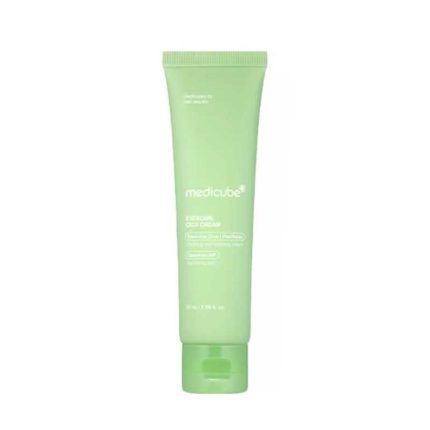 Sale
Original price was: ৳ 2,240.00.৳ 1,560.00Current price is: ৳ 1,560.00.
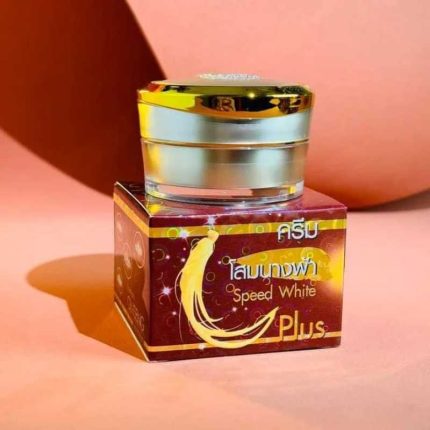 Sale
Original price was: ৳ 850.00.৳ 650.00Current price is: ৳ 650.00.
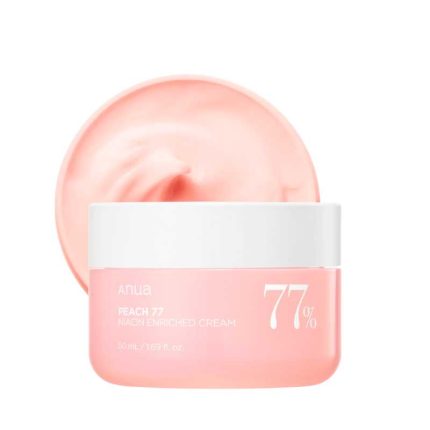 Sale
Original price was: ৳ 2,900.00.৳ 2,490.00Current price is: ৳ 2,490.00.
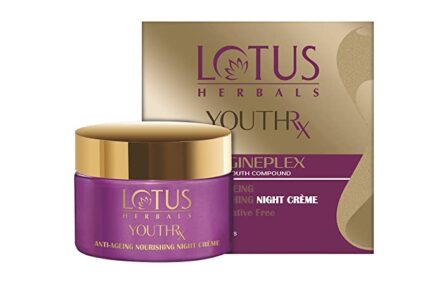
How does ginseng cream benefit your skin compared to other natural moisturizers?
Ginseng cream’s main advantage is its ability to boost skin elasticity and reduce wrinkles, supported by bioactive ginsenosides that stimulate cell regeneration. It also hydrates effectively, suitable for dry and mature skin.
Contrast this with natural moisturizers that rely on ingredients like hyaluronic acid for deep hydration or honey for soothing irritated skin. For example, Korean Ginseng x Honey Serum combines moisturizing and anti-inflammatory effects but lacks the firming potency of pure ginseng creams.
Additionally, ginseng creams can mitigate signs of skin fatigue and dullness, which many natural moisturizers do not explicitly target. This makes ginseng cream a more comprehensive option for combined anti-aging and moisturizing needs.
Which skin types benefit most from ginseng cream versus other natural moisturizers?
Ginseng cream suits normal to dry skin and aging skin best because it provides intense hydration alongside anti-aging benefits without being greasy. For oily or acne-prone skin, lighter natural moisturizers with non-comedogenic ingredients like green tea extract or aloe vera are preferable to avoid breakouts.
For sensitive skin, some may find ginseng creams slightly irritating due to ginseng’s potency, while hypoallergenic natural moisturizers with calming agents like chamomile or calendula are safer choices. Testing product reactions before regular use is important.
For example, Beauty of Joseon’s Ginseng Essence Water offers hydration and mild anti-aging in a lighter formula better suited to sensitive or combination skin types in Bangladesh’s humid climate.
How do prices of ginseng cream compare with prices of other natural moisturizers in Bangladesh?
In 2026, ginseng creams on MoreShopBD typically cost between 1800 and 2800 BDT per 30-50 ml, positioning them as mid-tier skincare investments with specialized benefits. Brands like PRETTYSKIN and Beauty of Joseon price their ginseng creams within this range.
Other natural moisturizers, such as Tree To Tub Ginseng Green Tea Moisturizer or Korean Ginseng x Honey Serum, usually range from 1000 to 2500 BDT, often reflecting simpler ingredient lists or smaller brand recognition.
This pricing means if you prioritize anti-aging and skin resilience, investing in a genuine ginseng cream offers more value per BDT spent. However, for basic hydration needs, less expensive natural moisturizers may suffice.
How should you decide between ginseng cream and other natural moisturizers based on your skincare goals?
Your skincare goals directly influence which product fits best. Choose ginseng cream if you want to reduce wrinkles, improve firmness, and combat aging signs. Opt for other natural moisturizers if your priority is soothing sensitive skin, daily hydration, or controlling acne.
A simple rule: if your skin feels dry and you face early aging signs, pick ginseng cream. If your skin is oily or acne-prone and just needs moisture, select a lighter natural moisturizer such as a green tea-based cream.
Your lifestyle influences this decision too, those exposed to pollution and sun damage regularly benefit more from ginseng creams’ antioxidant properties.
What are common mistakes when choosing between ginseng cream and natural moisturizers?
- Buying ginseng cream without checking if your skin reacts sensitively to its potent ingredients.
- Over-applying rich creams like ginseng on oily skin, leading to clogged pores and breakouts.
- Ignoring product authenticity; counterfeit ginseng creams lack benefits and may cause irritation.
- Choosing lower-cost natural moisturizers without verifying active ingredients, missing out on desired effects.
- Not incorporating moisturizers into a consistent routine, reducing overall benefits.
Avoid these errors by reading ingredient lists carefully and consulting guides about using ginseng cream effectively.
A practical framework to choose your moisturizer by skin needs, budget, and season
Choosing between ginseng cream and other natural moisturizers requires balancing your skin type, goals, budget, and local climate. Winters in Bangladesh can demand richer hydration, favouring ginseng creams with their humectant action and elasticity support, priced around 2500 BDT per jar. In humid seasons, lighter moisturizers with green tea and hyaluronic acid might prevent excess oiliness and shine.
Budget-conscious shoppers can allocate monthly skincare budgets around 5000 BDT. Investing about half on a high-quality ginseng cream and the rest on complementary lighter products gives balanced care. For example, buying PRETTYSKIN Ginseng Cream at 2200 BDT plus a green tea moisturizer at 1400 BDT remains affordable and effective.
This framework helps you optimize spending and results by considering seasonal needs, skin demands, and price-performance ratios.
Which one fits you? Tailored recommendations for different shoppers
- Beginner skincare user: Start with a gentle natural moisturizer like Tree To Tub Ginseng Green Tea Moisturizer for easy hydration without overwhelming active ingredients.
- Tight budget buyer: Choose an affordable natural moisturizer with proven ingredients such as honey or aloe vera; reserve ginseng cream for occasional use or special skincare needs.
- Anti-aging focused user: Invest in authentic ginseng creams like PRETTYSKIN Ginseng Extract & Retinol Multi Cream for firming and wrinkle reduction benefits.
- Combination or oily skin: Use lighter formulas with green tea and hyaluronic acid, avoiding thick ginseng creams to prevent clogging pores.
Who should NOT use ginseng cream or some natural moisturizers?
Those with extremely sensitive or allergy-prone skin should avoid potent ginseng creams due to potential irritation risks. Also, individuals with severe acne should steer clear of rich creams that may exacerbate breakouts.
Conversely, some natural moisturizers with fragrance or botanical extracts might cause allergic reactions in sensitive users. Always patch-test new products to prevent adverse effects.
How can you incorporate ginseng cream into your daily routine for maximum effect?
Applying ginseng cream twice daily, after cleansing and toning, ensures continuous hydration and anti-aging support. Use a small amount and gently massage to stimulate absorption and circulation.
Pairing ginseng cream with complementary products like hyaluronic acid serums enhances moisture retention. Refer to the Step-by-Step Guide: How to Incorporate Ginseng Cream into Your Daily Skincare for effective routine planning.
What alternatives exist if you can’t find suitable ginseng creams in Bangladesh?
If genuine ginseng creams are unavailable or unsuitable, other natural moisturizers with ingredients like green tea extract, honey, and hyaluronic acid serve as effective substitutes. These focus more on hydration and skin calming.
For example, Tree To Tub and Korean Ginseng x Honey lines offer products readily available via online shopping BD platforms, balancing natural effectiveness and accessibility.
How do different natural ingredients compare to ginseng in moisturizing and anti-aging?
Green tea extract works mainly as an antioxidant and anti-inflammatory agent, ideal for oily or irritated skin, while honey offers antimicrobial and soothing properties with moderate hydration. Hyaluronic acid excels in moisture retention but does not firm or reduce wrinkles like ginseng.
In comparison, ginseng’s ginsenosides actively stimulate collagen and blood circulation, making it unique among natural moisturizing ingredients for skin rejuvenation purposes.
Comparison of Prices, Strengths, and Limits: Ginseng Cream vs Other Natural Moisturizers
| Product Type | Price Range (BDT) | Best For | Key Strengths | Main Limits |
|---|---|---|---|---|
| Ginseng Cream (e.g., PRETTYSKIN, Beauty of Joseon) | 1800-2800 per 30-50 ml | Dry, aging skin needing anti-aging, firmness | Improves elasticity, reduces wrinkles, hydrating | May be too rich for oily skin, slight irritation risk |
| Green Tea Natural Moisturizers (Tree To Tub) | 1000-2000 per 30-50 ml | Oily, sensitive skin; calming and antioxidant effects | Lightweight hydration, reduces irritation | Limited firming or anti-aging benefits |
| Honey & Hyaluronic Acid Moisturizers (Korean Ginseng x Honey) | 1200-2400 per 40 ml | Dry, sensitive, acne-prone skin needing soothing | Hydration, antimicrobial, anti-inflammatory | Not focused on anti-aging or firmness |
Common mistakes to avoid when choosing and using moisturizers
- Ignoring your skin type: using heavy ginseng creams on oily skin can cause breakouts.
- Buying without verifying product authenticity, especially for ginseng-based creams.
- Expecting instant results; anti-aging benefits develop over weeks of consistent use.
- Skipping patch tests for sensitivity before applying widely.
- Using moisturizers irregularly or in incorrect order within your skincare routine.
FAQ
What is the main benefit of using ginseng cream compared to other natural moisturizers?
Ginseng cream primarily improves skin elasticity and firmness while hydrating, which many natural moisturizers do not focus on directly. This makes it better for anti-aging skincare.
Is ginseng cream suitable for all skin types?
Ginseng cream works best with normal to dry and aging skin types. Oily or acne-prone skin types might find it too rich, potentially causing breakouts.
Can natural moisturizers be as effective as ginseng cream for anti-aging?
Many natural moisturizers provide hydration and calming but lack the firming action of ginseng. Therefore, ginseng cream usually outperforms in anti-aging benefits.
How often should I apply ginseng cream for best results?
Applying ginseng cream twice daily, morning and night, helps maintain hydration and maximize anti-aging effects. Follow usage instructions carefully.
Are there any side effects of using ginseng cream versus other natural moisturizers?
Ginseng cream may cause mild irritation for sensitive skin users, whereas natural moisturizers generally have fewer risks but can trigger allergies depending on ingredients.