
Common Mistakes When Using Brightening Serums and How to Avoid Them


· By Ariful Islam
Quick answer: Common mistakes using brightening serum include applying on dirty skin, using too much, wrong layering order, inconsistent routine, and ignoring sun protection. Avoid these to ensure your brightening serum works effectively for your skin. For a detailed review of top serums, visit our guide on best brightening serums.
- Always apply serum on a clean, toned face to ensure proper absorption.
- Use the correct amount, a pea-sized drop is sufficient.
- Follow consistent daily use, preferably morning or night per product instructions.
- Layer serums and creams in correct order: serum before moisturizer.
- Protect your skin with daily sunscreen to prevent dark spots and damage.
Why is applying brightening serum on unclean skin a problem?
Applying brightening serum on unclean or non-toned skin blocks serum absorption and may trap dirt inside pores, causing irritation and reduced serum effectiveness.
Serums contain active ingredients like Vitamin C or Niacinamide that need direct contact with clean skin to penetrate properly. Skipping cleansing or toner makes the serum less effective and may worsen acne or dullness. For best results, use a gentle cleanser followed by a hydrating toner before serum application. This keeps your skin ready to absorb the product’s benefits and avoids product waste.
In summary, always start your routine with cleansing and toning to maximize serum benefits.
Recommended Products
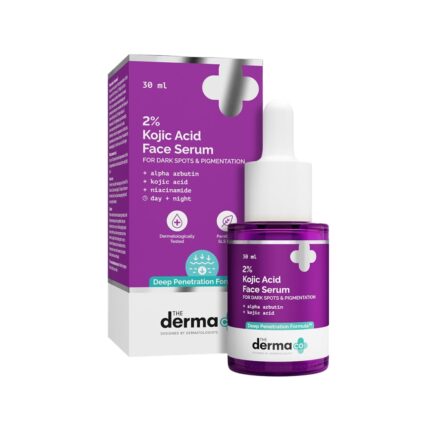 Sale
Original price was: ৳ 1,350.00.৳ 990.00Current price is: ৳ 990.00.
 Sale
Original price was: ৳ 1,000.00.৳ 850.00Current price is: ৳ 850.00.
 Sale
Original price was: ৳ 2,320.00.৳ 1,620.00Current price is: ৳ 1,620.00.
 Sale
Original price was: ৳ 2,650.00.৳ 2,150.00Current price is: ৳ 2,150.00.
How much brightening serum should I apply?
Use only a small amount, typically a pea-sized drop, and gently pat it onto your face.
Using more serum does not speed up results and can irritate your skin or cause product buildup. Brightening serums often have potent active ingredients like L-Ascorbic Acid or Ethyl Ascorbic Acid which are effective in small doses. Overuse might lead to redness or stinging, especially for sensitive skin. Administering the precise recommended amount saves product and reduces the risk of adverse reactions.
Applying the right quantity ensures balanced absorption for glowing skin without waste.
Should I apply brightening serum before or after moisturizer?
Brightening serum must be applied before moisturizer to allow active ingredients to reach the skin effectively.
Serums are lightweight, fast-absorbing liquids designed to deliver concentrated actives like Vitamin C, Ferulic Acid, or Hyaluronic Acid deep into your skin. Moisturizers create a barrier that can block this absorption if applied too early. Therefore, the correct order after cleansing and toning is: serum first, then moisturizer to lock in hydration and active compounds. Applying it in this order maximizes the serum’s brightening and anti-pigmentation effects.
Remember this layering rule for optimal skincare performance.
Why does inconsistent use reduce brightening serum effectiveness?
Irregular application prevents the active ingredients from accumulating and producing visible brightening effects.
Brightening serums require consistent use, typically once or twice daily, for several weeks before you notice improvements in skin tone and texture. Skipping days interrupts this process, diminishing the efficacy of ingredients like Niacinamide or Vitamin C. Even if you buy premium serums such as Medicube Booster Pro Mini-compatible formulas or Esapharma Lemonvate, the key is daily commitment. Consistency helps fade dark spots, even skin tone, and boosts radiance gradually but reliably.
Use brightening serums regularly to see their full potential and lasting results.
What product combinations can interfere with brightening serum?
Certain ingredients and products can conflict with brightening serums and reduce effectiveness or increase irritation.
For example, combining Vitamin C serums containing L-Ascorbic Acid with strong exfoliants like AHA, BHA, or retinol without proper spacing irritates skin and destabilizes the serum. Avoid layering serums with incompatible actives in one routine without expert guidance. Also, harsh cleansers or alcohol-based toners can reduce skin barrier function, making it difficult for serums to work well. Using mild cleansing products and non-conflicting serums or moisturizers is best to maintain skin health and achieve brightening goals.
Check ingredient compatibility when building your skincare routine to avoid such issues.
Does sun protection really matter when using brightening serums?
Yes, daily sunscreen is essential to complement brightening serums and prevent dark spots and pigmentation.
Even the best brightening serums cannot protect your skin from UV damage, which worsens pigmentation and dark spots. You should apply SPF 30 or higher sunscreen every day, regardless of weather, especially when using products with active brightening agents like Vitamin C, Niacinamide, or Ferulic Acid. Sunscreen helps maintain serum results over time by shielding skin from UV rays that cause melanin overproduction. Failure to use sunscreen negates serum benefits and can even increase sensitivity and damage.
For effective brightening, sunscreen should always be part of your daily skincare routine in Bangladesh’s sunny climate.
How to decide the right brightening serum based on your skin type and concerns?
Choosing a brightening serum suited for your specific skin type and pigmentation issue is key to avoiding mistakes in use and maximizing benefits.
For oily or acne-prone skin, serums with Niacinamide and lightweight Hyaluronic Acid balance oil while fading spots without clogging pores. Dry skin benefits from serums containing Ethyl Ascorbic Acid and Hydrating Ingredients to brighten without dryness. Sensitive skin types should select serums free of harsh acids, look for stabilized Vitamin C or gentle Ginseng Cream-based formulas. For combination skin, a versatile serum with Ferulic Acid plus antioxidants works well.
Following this simple decision framework ensures the serum matches your chemistry, reducing the chance of irritation or ineffectiveness.
Beginner shoppers can learn more about suitable options in our guide to choosing the best brightening serum by skin type.
Which one fits you? Common user profiles and product advice
- Beginner looking for easy brightening: Choose a Vitamin C serum with Ethyl Ascorbic Acid and Ferulic Acid for stable, gentle brightening. Avoid complex routines. Reason: simplest to use and effective.
- Tight budget shopper in Bangladesh: Opt for affordable alternatives with Niacinamide and Hyaluronic Acid. Reason: cost-effective but still potent for brightening and hydration.
- Experienced user with sensitive skin: Use Ginseng Cream or stabilized Vitamin C serums paired with fragrance-free moisturizers. Reason: minimizes irritation while brightening.
- Young adults fighting dark spots and dullness: Look for combinations of Vitamin C, Niacinamide and SPF with proven Chinese or Korean-origin formulas like Medicube Booster Pro Mini-compatible serums. Reason: targets multiple concerns effectively.
Who should NOT use brightening serums?
People with active skin infections, severe eczema, or allergy to ingredients like Vitamin C or Niacinamide should avoid brightening serums unless prescribed by a dermatologist. Also, those who cannot commit to a consistent routine may find little benefit and risk irritation. Pregnant or nursing women should consult physicians before use as some ingredients can be contraindicated.
Safe use depends on understanding your skin condition and product ingredients carefully.
Common mistakes checklist when using brightening serums
- Applying serum on unwashed, oily, or sweaty skin
- Using excessive serum volume causing irritation
- Skipping serum application on some days
- Incorrect serum layering order (after moisturizer instead of before)
- Not using sunscreen daily, accelerating dark spots
- Mixing incompatible products with brightening serum
- Ignoring patch tests before full use
- Storing serum improperly, degrading active ingredients
- Expecting overnight results rather than consistent gradual improvement
Example: How much serum do you need monthly and budget impact?
A typical brightening serum bottle contains 30ml and lasts around one month with daily use of a pea-sized amount (about 0.5ml per application). Purchasing top serums like Medicube Booster Pro Mini compatible Vitamin C formulas on MoreShopBD costs around 2,000 to 3,500 BDT per bottle. For weekly use twice per day, the expense is roughly 2,400 BDT monthly, aligning with steady brightening goals.
Choosing affordable options with Niacinamide or alternatives like Esapharma Lemonvate Cream can reduce monthly spend by 30-50%, aiding budget-conscious shoppers in Bangladesh’s online shopping market.
How should you store brightening serum correctly?
Brightening serums with active ingredients like L-Ascorbic Acid are sensitive to air, heat, and light, so store them in a cool, dark place or a refrigerator after opening.
Proper storage prevents ingredient degradation, keeping the serum effective longer. Avoid humid places like bathrooms and always tightly close the bottle. Some premium brands like Esapharma Lemonvate come in air-tight packaging to extend shelf life. Failure to store properly can lead to “dead” actives that lose potency.
Storing serum correctly maintains its brightness-boosting power and saves money.
How long does it take for brightening serum to show results?
Visible improvements from brightening serums typically take 4 to 8 weeks with consistent use.
Brightening ingredients such as Vitamin C, Niacinamide, and Ferulic Acid require time to reduce melanin buildup and even out skin tone. Skin cell turnover cycles last about 28 days, so expect gradual noticeable changes rather than immediate glow. Being patient and following proper routine maximizes outcome. If no results appear after 2 months, reconsider product choice or regimen.
Patience combined with correct use delivers healthy bright skin in the long term.
What are safe ways to combine brightening serum with other face care products?
Combine brightening serums carefully to avoid irritation and maximize efficacy. Use serums like Vitamin C in the morning and Niacinamide or hyaluronic acid serums in the evening.
Avoid layering active exfoliants like retinoids or acids on the same application as Vitamin C to prevent sensitivity. After serum, always apply a gentle, hydrating moisturizer to protect your skin. Check ingredient compatibility guides to avoid common conflicts.
This balanced combination helps you achieve brightening without skin barrier damage.
FAQs: Common questions about mistakes using brightening serum
What are common mistakes when using brightening serums?
Common mistakes include applying serum on unclean skin, using too much product, inconsistent use, wrong timing, and poor product layering, all of which reduce effectiveness and may cause irritation.
Can I use brightening serum every day?
Yes, brightening serums can be used daily but following the recommended frequency and avoiding overuse prevents irritation and helps achieve consistent brightening results.
Should I apply brightening serum before or after moisturizer?
Apply brightening serum before moisturizer to ensure active ingredients penetrate your skin properly for maximum benefits.
Why is my brightening serum not showing results?
Serum inefficacy is often due to inconsistent use, incorrect application, product incompatibility, or failure to protect skin from sun exposure.
Can brightening serum cause skin irritation?
Yes, if used too frequently, applied excessively, or combined with harsh skincare products. Patch test first and follow usage directions carefully to avoid irritation.