
ত্বকের দাগছোপ দূর করতে কার্যকর ৫টি বিজ্ঞানভিত্তিক ঘরোয়া উপায়


· By MORESHOP
Quick answer: To effectively remove dark spots and pigmentation at home, five science-backed ingredients stand out: Vitamin C (Ascorbic Acid), Glycolic Acid, Niacinamide (Vitamin B3), Kojic Acid, and Alpha Arbutin. Used consistently and properly, these active compounds reduce melanin production, boost skin renewal, and restore a natural, radiant skin tone. Daily sunscreen usage is crucial throughout treatment to prevent further damage and ensure safe, lasting results.
- Vitamin C boosts collagen and brightens skin by regulating melanin.
- Glycolic Acid exfoliates dead skin cells and reduces hyperpigmentation.
- Niacinamide controls oil production and supports the skin barrier.
- Kojic Acid inhibits melanin synthesis, ideal for spot treatment.
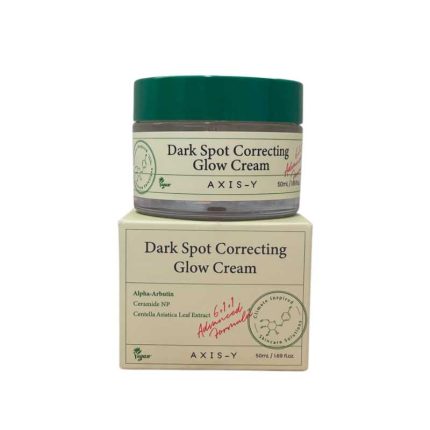
- Alpha Arbutin is a gentle yet potent pigment reducer suitable for sensitive skin.
What makes Vitamin C effective for dark spot removal?
Vitamin C, scientifically known as Ascorbic Acid, is a powerful antioxidant that enhances collagen synthesis and evens out skin pigmentation by reducing excess melanin. It directly blocks the enzyme tyrosinase, which otherwise accelerates melanin production, the root cause of dark spots.
Regular morning application of Vitamin C serum under sunscreen can gradually lighten sun spots, post-acne marks, and other pigmentation issues, while also improving skin elasticity and brightness. Its antioxidant properties protect skin cells from free radical damage caused by UV exposure and pollution.
For best results, choose a stabilized Vitamin C formulation with concentrations between 10% and 20%, as that range balances efficacy and skin tolerance. High-quality products from reputable brands ensure the ingredient’s stability, given Vitamin C’s sensitivity to air and light.
Summary: Vitamin C is essential for anyone battling pigmentation because it both prevents and reduces dark spots while boosting overall skin health.
Recommended Products
 Sale
Original price was: ৳ 1,450.00.৳ 1,150.00Current price is: ৳ 1,150.00.
 Sale
Original price was: ৳ 2,200.00.৳ 1,450.00Current price is: ৳ 1,450.00.
 Sale
Original price was: ৳ 1,380.00.৳ 966.00Current price is: ৳ 966.00.
 Sale
Original price was: ৳ 1,380.00.৳ 966.00Current price is: ৳ 966.00.
How does Glycolic Acid treat pigmentation and dark spots?
Glycolic Acid, a member of the Alpha Hydroxy Acid (AHA) family, exfoliates the outermost layer of dead skin cells, promoting the generation of new, evenly pigmented skin. This process helps soften dark patches caused by sun damage, aging, or acne scarring.
Applying a Glycolic Acid-containing serum or toner once or twice a week, preferably at night, supports cell turnover that fades dark spots over time. It also enhances the absorption of other skincare products, increasing their effectiveness.
Glycolic Acid concentrations vary from 5% to 15% in consumer products; starting at a lower concentration and increasing gradually helps minimize irritation. After exfoliation, thorough moisturizing is necessary to maintain the skin barrier.
Because Glycolic Acid increases photosensitivity, applying broad-spectrum sunscreen every morning is mandatory to avoid worsening pigmentation.
Summary: Glycolic Acid offers a chemical exfoliation solution that accelerates pigment fading and skin renewal when used with care.
What benefits does Niacinamide provide for dark spot reduction?
Niacinamide, or Vitamin B3, reduces the transfer of melanin to skin cells, thereby decreasing existing dark spots and preventing new ones. It also regulates sebum production, which can reduce acne-related hyperpigmentation, and improves skin barrier function, making your skin more resilient.
Suitable for morning or evening use, serums with 5% to 10% Niacinamide integrate well with other active ingredients without causing excessive irritation. Its versatility makes it a popular choice for almost every skin type, including sensitive and acne-prone skin.
With consistent use over 6 to 8 weeks, Niacinamide visibly improves uneven skin tone, diminishes redness, and boosts hydration, contributing to a healthier-looking complexion.
Summary: Niacinamide is a multitasking ingredient that targets pigmentation, enhances barrier health, and balances oil production.
Is Kojic Acid a safe and effective option for spot treatment?
Kojic Acid naturally inhibits melanin production by targeting the tyrosinase enzyme, making it highly effective for localized dark spots, age spots, and melasma. It is widely used in both over-the-counter and professional skincare for targeted pigment correction.
Due to its potency, Kojic Acid is best introduced gradually, starting with two to three applications weekly, and ideally used at night. You may find it in serums or creams, either alone or combined with other lightening agents for synergistic effects.
Some users might experience mild skin sensitivity, so patch testing is recommended before full-face application. It pairs well with soothing ingredients to minimize redness or irritation.
Summary: Kojic Acid is a strong, natural pigment inhibitor excellent for spot treatments but requires cautious use for sensitive skin.
Why is Alpha Arbutin considered ideal for sensitive skin?
Alpha Arbutin is a gentle, water-soluble compound derived from the bearberry plant that reduces melanin synthesis without the harsh side effects common to other lightening agents. Its mild nature makes it highly suitable for sensitive or reactive skin types.
Applied once or twice daily, either alone or alongside Niacinamide, Alpha Arbutin effectively fades discoloration and brightens skin over several weeks. It penetrates deeply, providing sustained impact on pigmentation.
Alpha Arbutin’s safety profile allows longer-term use without significant risk of irritation or photosensitivity, though sunscreen remains essential for protection.
Summary: Alpha Arbutin is a mild yet effective pigment reducer ideal for those with sensitive or compromised skin seeking home treatments.
How to choose the best ingredient for your skin type and situation?
Choosing the right dark spot remedy depends on your skin type, severity of pigmentation, and tolerance for active ingredients. For dry or sensitive skin, prioritize milder agents like Alpha Arbutin and Niacinamide, which support barrier repair without aggressive exfoliation.
If you have oily or acne-prone skin, incorporating Glycolic Acid or Niacinamide can regulate oiliness and accelerate skin renewal, reducing chance of new dark spots. For stubborn or thick pigmentation patches, Vitamin C or Kojic Acid treatments work effectively but may require gradual introduction to prevent irritation.
When on a tight budget, combining a mid-range Vitamin C serum with affordable Niacinamide products offers a balanced approach, providing antioxidant protection, tone correction, and skin barrier support.
To simplify your decision:
- If you have sensitive skin, choose Alpha Arbutin because it minimizes irritation risk.
- If your skin tolerates acids, use Glycolic Acid to speed up exfoliation and renewal.
- If you want brightening plus anti-aging benefits, Vitamin C is the best choice.
- If you have acne scars or oily skin, consider Niacinamide to control oil and reduce marks.
Summary: Tailor your dark spot treatment to your skin’s needs and sensitivity for safe and effective improvement.
Which dark spot removal ingredient fits you best?
For Beginners
If you are new to active skincare, start with 5% Niacinamide or Alpha Arbutin serum because both have low irritation potential and wide skin-type compatibility. This approach reduces risk and builds tolerance for future stronger actives.
For Sensitive Skin
Alpha Arbutin is recommended as it offers effective pigmentation reduction without harsh exfoliation or redness. Avoid potent acids initially and introduce them carefully if needed, consulting a dermatologist.
For Those with Oily or Acne-Prone Skin
Niacinamide and Glycolic Acid present ideal options. Niacinamide controls sebum and strengthens the barrier, while Glycolic Acid removes dead cells and fades dark spots caused by acne.
For Advanced Users Seeking Fast Results
Vitamin C serums combined with Kojic Acid spot treatments may provide quicker and more visible results but require consistent use and strict sun protection, and some experience slight initial irritation.
Summary: Your skin type and experience level determine the safest and most effective ingredients for pigmentation correction.
What are common mistakes when treating dark spots at home?
- Not using sunscreen daily, which can worsen pigmentation despite treatments.
- Applying too many active ingredients simultaneously, causing irritation or a compromised skin barrier.
- Giving up too early, these treatments require 6 to 8 weeks or more to show effects.
- Ignoring skin sensitivity and applying strong acids or brighteners too frequently.
- Neglecting moisturizing, which is vital to maintain barrier function after exfoliation.
Avoiding these mistakes improves your chance for successful, safe pigmentation fading.
What practical steps should I follow for effective dark spot removal?
- Identify your skin type and pigmentation severity.
- Select one or two science-backed ingredients suited to your skin’s needs.
- Perform a patch test before full-face application.
- Start with lower concentrations or less frequent application to build tolerance.
- Apply treatment consistently, preferably at the same time daily.
- Always protect your skin with a broad-spectrum sunscreen SPF 30 or higher every morning.
- Moisturize adequately to support skin barrier health post-treatment.
- Monitor skin for any irritation or adverse reactions and adjust usage accordingly.
- Be patient, the skin turnover cycle typically requires at least 6–8 weeks to show improvement.
How do affordability and product choice affect dark spot treatment?
Products formulated with the five key ingredients range widely in price from affordable drugstore brands to premium skincare lines. For example, Vitamin C serums cost between $10 and $60 depending on brand and concentration. Glycolic Acid toners or serums may be available for $15 to $50. Niacinamide serums are often priced around $10 to $40, while Kojic Acid and Alpha Arbutin treatments can cost $15 to $45.
Choosing affordable options does not mean compromising effectiveness if the formula contains proven concentrations of actives. Checking ingredient lists and reviews helps ensure quality. Combining two compatible ingredients like Niacinamide and Alpha Arbutin can optimize budgets while maintaining efficacy.
Summary: Cost-effective skincare with correct ingredients and consistent use is enough to achieve measurable dark spot improvement.
How can I safely combine these active ingredients?
Combining active ingredients can enhance dark spot treatment but requires understanding compatibility. For example, Niacinamide pairs well with Alpha Arbutin, providing complementary effects on pigmentation with low irritation risk. Vitamin C and Niacinamide can also be used together if formulated properly, but some prefer separate application to reduce sensitivity.
It is not recommended to combine Glycolic Acid with Vitamin C simultaneously, as both are acidic and may cause excessive irritation. Instead, alternate their usage on different days or times (Vitamin C in the morning, Glycolic Acid at night).
When introducing Kojic Acid with any acid or retinoid, gradual integration and sun protection are critical. Consulting product instructions or dermatologists is advisable.
Summary: Thoughtful layering and scheduling of actives optimize results and limit irritation risks in home treatments.
| Ingredient | Price Range (USD) | Best For | Key Strengths | Main Limits |
|---|---|---|---|---|
| Vitamin C (Ascorbic Acid) | $10-$60 | All skin types, anti-aging | Brightening, antioxidant, collagen support | Can oxidize, may irritate sensitive skin |
| Glycolic Acid | $15-$50 | Oily/acne-prone skin | Effective exfoliation, spot fading | May cause irritation and photosensitivity |
| Niacinamide (Vitamin B3) | $10-$40 | Sensitive, oily, combination skin | Barrier repair, sebum control, pigmentation reduction | Effect slower, less potent spot removal |
| Kojic Acid | $15-$45 | Targeted spot treatment | Strong melanin inhibition | Risk of irritation, best used spot-wise |
| Alpha Arbutin | $15-$45 | Sensitive skin, beginners | Gentle, effective melanin reduction | Results more gradual |
FAQ: Answers to common questions on dark spot removal
What are the most effective home remedies for dark spots?
The five most effective home remedies backed by science are Vitamin C, Glycolic Acid, Niacinamide, Kojic Acid, and Alpha Arbutin. These ingredients work by reducing melanin, enhancing skin renewal, and improving brightness.
How long does it take to see results from these remedies?
Visible improvements generally appear after 6 to 8 weeks of consistent use. Patience and regular application are essential as skin renewal cycles take time.
Can sensitive skin use these ingredients safely?
Yes, sensitive skin types should prioritize gentle ingredients like Alpha Arbutin and low concentrations of Niacinamide, introducing stronger acids like Glycolic Acid slowly to avoid irritation.
Do I need to use sunscreen with these remedies?
Daily sunscreen with at least SPF 30 is mandatory when treating dark spots because these active ingredients increase skin sensitivity to ultraviolet rays.
Can I combine these ingredients in one skincare routine?
You can combine Niacinamide with Alpha Arbutin safely, but avoid layering strong acids like Vitamin C and Glycolic Acid at the same time to reduce irritation risk.