
Lactic Acid vs Glycolic Acid: Which AHA Suits Your Skin Best?


· By Ariful Islam
Quick answer: Lactic acid and glycolic acid are both popular AHAs for skin exfoliation, but glycolic acid is stronger and better for oily, acne-prone, or textured skin, while lactic acid is gentler and preferred for dry, sensitive, or mature skin. Your skin type and tolerance levels decide the best acid for you, with glycolic acid offering deeper exfoliation and lactic acid providing hydration and firming.
- Glycolic acid exfoliates more deeply due to smaller molecular size.
- Lactic acid is milder, ideal for sensitive or dry skin types.
- Both boost collagen, improving skin firmness and brightness.
- Choosing depends on skin type, concerns, and tolerance.
- Correct usage and understanding side effects prevent irritation.
What are lactic acid and glycolic acid in skincare?
Lactic acid and glycolic acid are alpha hydroxy acids (AHAs), ingredients that exfoliate the skin by loosening dead skin cells for brighter, smoother skin. Glycolic acid comes from sugar cane and has the smallest molecules among AHAs, allowing it to penetrate deeply. Lactic acid, derived from milk or fermented plant sources, has slightly larger molecules and moisturizes while exfoliating. Both are key in treatments targeting dullness, uneven tone, acne scars, and signs of aging. Learning more about lactic acid benefits and side effects is useful before deciding (https://moreshopbd.com/all-about-lactic-acid/).
Recommended Products
 Sale
Original price was: ৳ 1,300.00.৳ 910.00Current price is: ৳ 910.00.
 Sale
Original price was: ৳ 2,000.00.৳ 1,490.00Current price is: ৳ 1,490.00.
 Sale
Original price was: ৳ 1,350.00.৳ 990.00Current price is: ৳ 990.00.
 Sale
Original price was: ৳ 2,140.00.৳ 1,490.00Current price is: ৳ 1,490.00.
How does glycolic acid differ in potency and effectiveness?
Glycolic acid is the most potent AHA due to the smallest molecular structure, enabling it to penetrate the skin more deeply and effectively break down dead skin cells. This makes it excellent for oily and acne-prone skin types seeking to unclog pores and improve texture. However, its strength can lead to skin irritation or sensitivity if not used properly. Glycolic acid products range from 5% to 20% concentrations in skincare, with higher percentages for professional peels. Its deeper penetration also means faster results in reducing fine lines and dark spots.
Why is lactic acid better for sensitive and dry skin?
Lactic acid’s larger molecular size means it exfoliates more gently, reducing the chances of irritation and redness. It also acts as a humectant, drawing moisture into the skin, which benefits dry or mature skin types prone to flakiness and dehydration. Lactic acid improves skin firmness and helps restore a radiant complexion without compromising skin barrier integrity. Typical concentrations for at-home products range from 3% to 12%, balancing exfoliation with hydration. This mild action makes it a safer choice for beginners or those with reactive skin. For safe incorporation, follow detailed guides on using lactic acid safely (https://moreshopbd.com/use-lactic-acid-safely/). Learn more about how lactic acid specifically benefits acne, hyperpigmentation, and aging skin in this detailed lactic acid benefits for skin concerns article.
What skin types suit lactic acid vs glycolic acid best?
Choosing between lactic acid and glycolic acid largely depends on your skin type and condition:
- Dry or sensitive skin: Lactic acid because it hydrates and reduces irritation risks.
- Oily or acne-prone skin: Glycolic acid for stronger pore cleansing and exfoliation.
- Mature skin: Lactic acid for gradual firming and moisture retention.
- Uneven texture or hyperpigmentation: Glycolic acid for quicker skin cell turnover.
Understanding your skin’s needs helps avoid common mistakes in acid use. To know your skin type, check this guide before choosing AHAs (https://moreshopbd.com/what-is-the-best-alpha-hydroxy-acid-for-my-skin/).
What are the key benefits of lactic acid and glycolic acid for the skin?
Both acids exfoliate dead skin cells, but their secondary benefits differ. Glycolic acid’s deeper exfoliation induces faster collagen production, improving skin firmness and smoothing fine lines more rapidly. It also brightens skin tone and reduces acne scars effectively. Lactic acid offers exfoliation with additional hydration, reducing dryness and improving skin texture gently. It promotes skin plumpness and brightness without significant irritation risks. Both acids help fade dark spots over time, but glycolic acid often yields quicker visible results.
How should you incorporate lactic acid or glycolic acid into your skincare routine?
Start with lower concentrations (around 5%) once or twice a week, especially for glycolic acid, and gradually increase frequency as tolerated. Always apply AHA products on clean skin at night, followed by moisturizer, and use sunscreen daily because AHAs increase sun sensitivity. Avoid combining multiple exfoliants in one routine. If you’re a beginner or have sensitive skin, start with lactic acid and see how your skin responds. More tips on safe use of AHA products can be found at MoreShopBD for Bangladeshi shoppers (https://moreshopbd.com/use-aha-products-safely/).
What are the common side effects of lactic acid and glycolic acid?
Both acids may cause temporary redness, dryness, or mild irritation, especially when first introduced or used excessively. Glycolic acid’s strength increases risk of skin inflammation or peeling. Lactic acid is the better tolerated option for sensitive skin but can still cause dryness if overused. It’s crucial to use moisturizers and sunscreen to protect against these side effects. If you experience persistent irritation, reduce frequency or consult a dermatologist. More guidance on managing side effects is available here (https://moreshopbd.com/aha-skincare-side-effects/).
Is combining lactic acid and glycolic acid in one routine recommended?
Using both acids together is generally discouraged as they might amplify skin irritation. Alternating nights for each acid or using one acid in the morning and another at night (with caution) can balance exfoliation and minimize risks. Individuals with resilient skin may tolerate combination treatments but must pay attention to their skin’s response. For beginners or sensitive skin types, sticking to a single AHA is safer.
How do lactic acid and glycolic acid compare in cost and availability in Bangladesh?
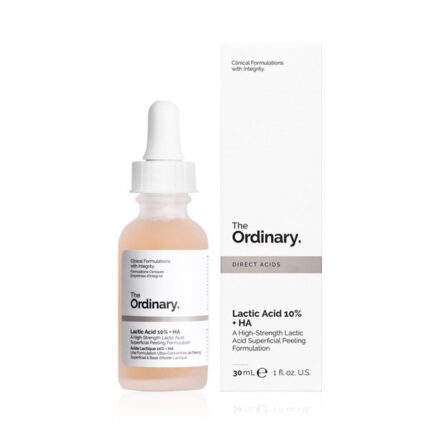
Both acids are widely available in various skincare brands on platforms like MoreShopBD. Products containing glycolic acid typically range from 400 to 1500 Bangladeshi Taka depending on concentration and brand premium, while lactic acid products fall between 350 to 1300 BDT. For example, The Ordinary’s Glycolic Acid 7% Toning Solution and The Ordinary Lactic Acid 5% + HA 2% are accessible and popular options online in Bangladesh. Choosing depends on your budget and skin needs, with affordable effective options available for both acids (https://moreshopbd.com/best-aha-products-bangladesh/).
Decision framework: How to choose between glycolic acid and lactic acid for your specific skin goals
When selecting between lactic acid and glycolic acid, consider these key factors:
- Skin Sensitivity: If you experience redness or irritation easily, choose lactic acid for gentler exfoliation.
- Skin Concerns: For stubborn acne and uneven texture, glycolic acid’s deeper exfoliation offers better results.
- Hydration Needs: For dry or mature skin that requires moisture, lactic acid boosts hydration while exfoliating.
- Skin Brightness and Anti-Aging: Both acids promote collagen, but glycolic acid works faster for firmness; lactic acid improves skin plumpness gradually.
- Budget and Product Access: Assess availability and price on reliable platforms like MoreShopBD, where many lactic and glycolic acid products are sold with transparency on pricing and ingredients.
Example: A 25-year-old with oily, acne-prone skin may benefit more from glycolic acid toner costing around 1200 BDT monthly; meanwhile, a 40-year-old with sensitive, dry skin could use lactic acid serum priced near 1000 BDT monthly for hydration and gentle renewal.
By applying this framework, you pick the acid matching your needs and budget, reducing unwanted side effects and optimizing skin results.
Which one fits you best? Recommendations by reader profile
- Beginner with sensitive skin: Start with lactic acid for its mildness and moisturizing effects, which lower irritation risk.
- Budget-conscious shopper: Choose lactic acid products available on MoreShopBD with smaller concentrations to reduce sensitivity and stretch use longer.
- Oily, acne-prone young adult: Glycolic acid helps unclog pores and smooth texture faster, well-suited if your skin tolerates it.
- Mature skin seeking anti-aging benefits: Combine lactic acid for hydration with occasional glycolic acid use for collagen boost if tolerated.
Remember that proper sunscreen use and moisturizers are necessary regardless of your choice to maximize benefits and protect your skin.
Who should not use glycolic acid or lactic acid?
Both lactic and glycolic acids are not recommended for people with severely compromised skin barriers, open wounds, or active eczema and rosacea. Pregnant women may want to consult a healthcare provider before use. Avoid AHAs if you recently had facial treatments like laser or chemical peels unless advised by your dermatologist. Those new to acid exfoliation should start slow and stop use if severe irritation occurs.
What are common mistakes when using lactic acid or glycolic acid?
- Using high concentrations too soon, causing irritation.
- Skipping sunscreen, which leaves the skin vulnerable to sun damage.
- Applying acid products with harsh physical exfoliants or retinoids together.
- Neglecting moisturizers, leading to dryness after acid exfoliation.
- Not performing patch tests before adding new acid products.
Comparison Table: Lactic Acid vs Glycolic Acid Skincare Products
| Feature | Lactic Acid | Glycolic Acid |
|---|---|---|
| Average Price in Bangladesh | 350 – 1300 BDT | 400 – 1500 BDT |
| Best For | Dry, sensitive, mature skin | Oily, acne-prone, textured skin |
| Key Strengths | Gentle exfoliation, hydration, skin plumping | Strong exfoliation, pore-clearing, faster anti-aging effects |
| Main Limits | Less effective on thickened or oily skin | Higher risk of irritation, not for sensitive skin |
FAQ: Common Questions About Lactic Acid vs Glycolic Acid for Skin
What is the main difference between lactic acid and glycolic acid for skincare?
Glycolic acid has smaller molecules and stronger exfoliating ability, suitable for deeper skin renewal. Lactic acid is gentler, moisturizing, and better tolerated by sensitive or dry skin.
Can I use lactic acid and glycolic acid together in my skincare routine?
It’s best to avoid combining them at once to prevent irritation. Use them on alternate days or consult a dermatologist for combined use guidance.
Which acid is better for acne-prone skin, lactic acid or glycolic acid?
Glycolic acid is preferred for acne-prone skin due to stronger exfoliation that unclogs pores, but lactic acid suits sensitive acne-prone skin better by minimizing irritation.
How do lactic acid and glycolic acid affect skin aging?
Both boost collagen production, improving firmness and reducing fine lines. Glycolic acid acts faster with stronger exfoliation, while lactic acid hydrates and firms skin over time.
Are there side effects of using lactic acid or glycolic acid on skin?
Side effects include irritation, redness, and dryness, with glycolic acid posing a higher risk. Using sunscreen and moisturizers reduces these risks significantly.