
How Lactic Acid Benefits Different Skin Concerns: Acne, Hyperpigmentation, and Aging


· By Ariful Islam
Quick answer: Lactic acid benefits different skin concerns by gently exfoliating dead cells to clear acne-prone pores, fading hyperpigmentation through melanin regulation, and stimulating collagen to reduce aging signs like fine lines. Its hydrating and anti-inflammatory properties make it suitable for sensitive and dry skin. For detailed benefits and safe use advice, explore the comprehensive guide on lactic acid skincare.
- Gently exfoliates for clearer pores, reducing acne
- Lightens dark spots by regulating melanin
- Boosts collagen to improve skin firmness and reduce aging signs
- Hydrates skin without harsh irritation, ideal for sensitive skin
- Requires gradual introduction and sunscreen to avoid side effects
What is lactic acid and how does it work on skin concerns?
Lactic acid is a type of alpha hydroxy acid (AHA) derived from milk or fermentation, known for its ability to exfoliate dead skin cells from the surface. It works by weakening the bonds between dead cells, promoting cell turnover, which helps improve texture, clarity, and brightness. When you use products containing lactic acid, it accelerates the shedding of dull, damaged skin, revealing fresh skin underneath. This process unclogs pores, helps fade dark spots by controlling melanin, and enhances collagen production to reduce wrinkles. Its natural moisturizing factor quality makes it especially suitable for sensitive or dry skin. This explains why lactic acid targets acne, hyperpigmentation, and aging effectively. For a deeper overview, see the full lactic acid skincare guide. Learn why chemical exfoliators are vital for radiant and healthy skin in this comprehensive article about chemical exfoliators.
Recommended Products
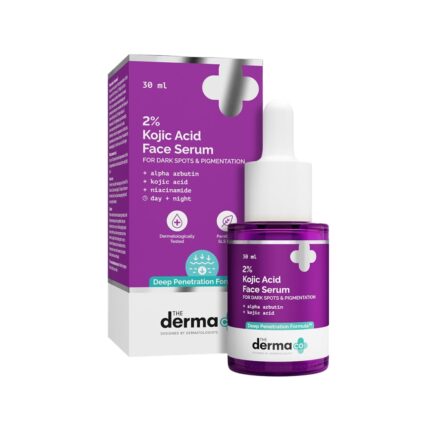 Sale
Original price was: ৳ 1,350.00.৳ 990.00Current price is: ৳ 990.00.
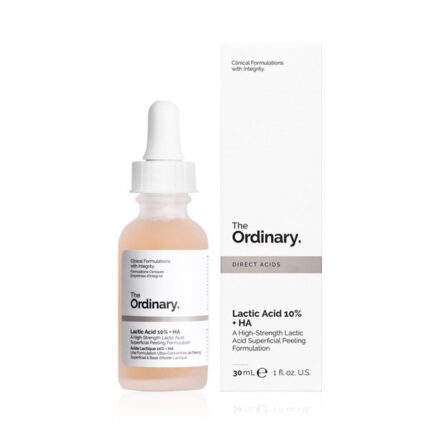 Sale
Original price was: ৳ 2,000.00.৳ 1,490.00Current price is: ৳ 1,490.00.
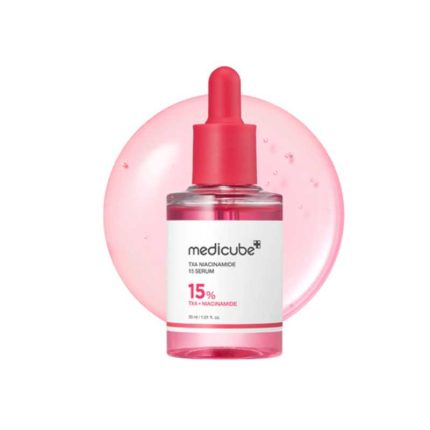 Sale
Original price was: ৳ 2,320.00.৳ 1,620.00Current price is: ৳ 1,620.00.
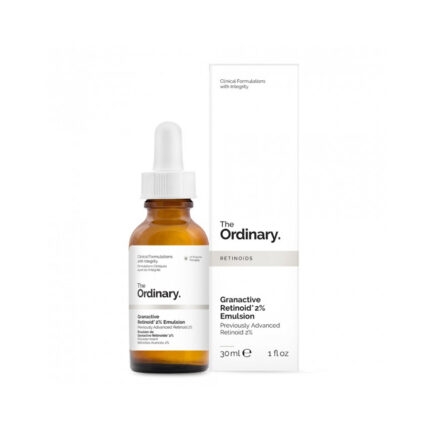 Sale
Original price was: ৳ 2,000.00.৳ 1,490.00Current price is: ৳ 1,490.00.
How does lactic acid improve acne-prone skin?
Lactic acid helps acne by gently exfoliating the skin to unclog pores without harsh irritation. By clearing away dead skin cells and excess oils, it reduces the formation of comedones (whiteheads and blackheads) and prevents new acne lesions. Unlike stronger exfoliants, lactic acid’s anti-inflammatory properties soothe inflamed skin, making it suitable for mild to moderate acne, including sensitive types. Regular use of lactic acid serums or peels reduces breakouts and improves skin texture. However, lactic acid alone may not replace acne medications for severe cases. To manage acne effectively, combining lactic acid products with proper cleansing and hydration, available through MoreShopBD’s acne care section, is recommended.
In what ways does lactic acid fade hyperpigmentation and dark spots?
Lactic acid targets hyperpigmentation by accelerating skin cell renewal and reducing excess melanin in pigmented spots. Through controlled chemical exfoliation, it helps peel away the pigmented upper skin layer, revealing more evenly toned skin. Its mild nature means pigmentation fades gradually, reducing the risk of irritation-induced darkening common with stronger acids. Unlike some brightening agents like hydroquinone, lactic acid also maintains hydration, supporting skin barrier repair. For enhanced results, it can be combined with antioxidants such as Vitamin C and Alpha Arbutin, both available on MoreShopBD, which complement lactic acid by brightening and protecting against UV damage, the main cause of hyperpigmentation.
How does lactic acid help reduce signs of aging?
Lactic acid stimulates collagen synthesis in the dermal layer, improving skin firmness and elasticity. By increasing the turnover of skin cells, it smooths fine lines and wrinkles, making skin appear more youthful. Unlike other exfoliants that may dry or irritate, lactic acid also attracts moisture to the skin, improving hydration and plumpness, which lessens sagging and dryness associated with aging. Regular application of lactic acid serums or peels, like those found on MoreShopBD, can visibly improve skin texture and brightness, especially when combined with moisturizers rich in ceramides and peptides for anti-aging support.
Is lactic acid safe for sensitive or dry skin types?
Lactic acid is considered one of the gentlest AHAs, making it safer for sensitive and dry skin compared to stronger acids like glycolic acid. Its moisturizing properties help avoid the dryness and irritation often caused by exfoliating acids. However, sensitive skin users should start with lower concentrations (around 5%) and patch test products before regular use. Using lactic acid products 2-3 times weekly allows skin to build tolerance gradually. Pair lactic acid treatments with hydrating ingredients such as hyaluronic acid and nourishing creams to maintain barrier health. Avoid use on very irritated or broken skin to prevent sensitivity. MoreShopBD offers a selection of gentle lactic acid formulations created for sensitive skin.
How often should you use lactic acid for the best results?
For most skin types, applying lactic acid 2-3 times per week is ideal to achieve exfoliation without over-stripping or irritation. Beginners should start with once a week and increase frequency based on skin tolerance. Higher concentrations (above 10%) should be used less frequently or under professional advice, especially in chemical peels. Overuse can impair skin barrier function and cause redness or peeling. Consistent use over weeks is necessary to fade pigmentation and minimize acne. Always follow lactic acid application with broad-spectrum sunscreen since AHAs increase photosensitivity. Local sellers on MoreShopBD provide affordable sunscreen options suitable for daily protection in Bangladesh’s climate.
What are common mistakes when using lactic acid products and how to avoid them?
A frequent mistake is applying lactic acid daily or in high concentrations too quickly, leading to irritation, redness, and sensitivity. Another error is skipping sunscreen, which puts skin at risk of sunburn and worsened pigmentation after AHA use. Not moisturizing adequately can cause dryness or peeling because exfoliation removes dead cells but also some skin hydration. To avoid these pitfalls, introduce lactic acid gradually, use gentle moisturizers, and always apply sunscreen with at least SPF 30 daily. Avoid combining lactic acid with retinoids or other strong acids simultaneously, which increases irritation risk. Following safety guidance such as the one on safe use of AHAs found in MoreShopBD’s skincare resources mitigates these risks.
How does lactic acid compare with glycolic acid for different skin concerns?
Lactic acid and glycolic acid are both AHAs but differ in molecular size and strength. Lactic acid molecules are larger, making it penetrate skin more slowly and gently, ideal for sensitive or dry skin needing hydration alongside exfoliation. Glycolic acid is smaller, allowing deeper penetration that promotes more rapid exfoliation but with higher irritation potential. For acne-prone skin with resilience, glycolic acid may deliver faster results, while lactic acid provides a milder, hydrating approach better suited for aging or sensitive skin types. Products combining both acids can leverage their benefits. For a side-by-side comparison, visit the MoreShopBD article on Lactic Acid vs Glycolic Acid.
Which lactic acid product fits your skin type and budget in Bangladesh?
Picking the right lactic acid product depends on your skin type and budget. Beginners with sensitive skin should start with products containing 5-10% lactic acid, such as CeraVe’s Hydrating Lactic Acid Serum, priced around 1500 BDT, offering hydration and gentle exfoliation without irritation. Budget-conscious consumers may prefer generic brands with 5% lactic acid available at lower prices (800-1000 BDT) on MoreShopBD but should verify ingredient lists and avoid added irritants. Those with moderate pigmentation or aging concerns might benefit from peels or serums with ≥10% lactic acid like Medik8’s Lactic Acid Peel (price varies around 3000-3500 BDT), though these require caution and less frequent use. Always factor in sunscreen and moisturizer costs to protect and support treated skin. Example: A young adult using a 10% lactic acid serum twice weekly spends approximately 3200 BDT annually, including recommended sun protection (local sunscreen price estimate from MoreShopBD). Understanding your skin’s reaction and applying lactic acid gradually is crucial before upgrading products.
Who should NOT use lactic acid in their skincare routine?
People with extremely sensitive, broken, or eczema-affected skin should avoid lactic acid as it can worsen irritation or inflammation. Pregnant or breastfeeding women should consult healthcare providers before using chemical exfoliants. If you use prescription acne treatments like retinoids or benzoyl peroxide, combining them with lactic acid without professional guidance can cause excessive irritation. Sunburned or freshly shaved skin is also more vulnerable to lactic acid’s exfoliating effects. In these cases, choose moisturizing, barrier-repair products instead, available on MoreShopBD under gentle skincare categories.
What is the practical checklist for safely using lactic acid?
- Start with low concentration (5-10%) lactic acid products
- Patch test before first full-face application
- Introduce once or twice weekly, gradually increase frequency
- Always apply broad-spectrum sunscreen daily during use
- Use hydrating moisturizers to support skin barrier
- Avoid combining with other strong acids or retinoids unless advised
- Discontinue use if severe redness, burning or peeling occurs
- Store products as directed, away from sunlight
- Consult skincare specialists if uncertain or treating severe skin conditions
What are 3 worked examples for everyday lactic acid use?
Example 1: Beginner with sensitive skin
Applying a 5% lactic acid serum twice a week after cleansing, followed by a moisturizer and sunscreen, costs about 1500 BDT every 2-3 months. This allows gradual introduction, minimizing irritation risk.
Example 2: Adult with acne-prone skin
Using a 10% lactic acid peel weekly combined with acne treatment products, plus SPF 50, totals roughly 4000 BDT annually. It supports exfoliation and unclogs pores effectively.
Example 3: Mature skin with dark spots and fine lines
Alternating 10% lactic acid serum three times a week with antioxidant serums like Vitamin C and Alpha Arbutin improves pigmentation and texture, costing about 6000 BDT yearly, including moisturizers and sunblocks.
What products with lactic acid can you buy online in Bangladesh?
MoreShopBD features a range of popular lactic acid products ideal for various budgets and skin concerns. For example, CeraVe’s Hydrating Lactic Acid Serum provides gentle exfoliation with barrier-supporting ceramides. Medicube Booster Pro Mini offers advanced formulations to address acne-prone skin practically. Local and international brands on MoreShopBD include standalone serums, combination peels, and moisturizers with lactic acid. Prices range from 800 to 3500 BDT, fitting all budgets from entry-level to premium. You can also find supporting skincare like moisturizers with hyaluronic acid, Vitamin C brightening serums, and broad-spectrum sunscreens essential for use after lactic acid application. For guidance, see the recommended lactic acid skincare products section on MoreShopBD.
Why do you need to combine lactic acid with sunscreen and antioxidants?
Lactic acid thins the outer skin layer temporarily, increasing sensitivity to UV rays. Without sunscreen, this raises the risk of sunburn, pigmentation worsening, and skin damage. Therefore, pairing lactic acid use with broad-spectrum sunscreen (SPF 30 or higher) is vital. Antioxidants like Vitamin C and Alpha Arbutin neutralize free radicals generated by sun exposure, boosting skin brightness and protecting against photoaging. These ingredients complement each other and enhance overall skin health. You can buy effective antioxidant serums and sunscreens locally through MoreShopBD to complete your skin care routine.
What are common questions people ask about lactic acid benefits for skin?
To help you further, here are top questions many online shoppers in Bangladesh ask about lactic acid in skincare.
What skin concerns does lactic acid help with?
Lactic acid primarily helps with acne by clearing pores, fades hyperpigmentation by regulating melanin turnover, and reduces fine lines by stimulating collagen production, improving skin texture and brightness.
Is lactic acid safe for sensitive skin?
Yes, lactic acid is one of the gentlest exfoliants, often suitable for sensitive skin when used at low concentrations and introduced gradually to avoid irritation.
How often should I use lactic acid for best results?
About 2-3 times per week is effective for most users, but start with less frequent use and increase based on your skin’s tolerance to avoid side effects.
Can lactic acid cause dryness or irritation?
Some people may experience mild dryness or irritation, especially from overuse. Use moisturizers and sunscreen to support skin barrier and prevent discomfort.
How does lactic acid compare to glycolic acid for skin concerns?
Lactic acid is milder and hydrating, ideal for sensitive or dry skin, while glycolic acid penetrates more deeply and works faster but can cause more irritation, better for tougher skin types.
Where can you learn more about lactic acid and other skincare ingredients?
For further reading on the broader uses and precautions of lactic acid, you can check the main MoreShopBD guide on lactic acid. To understand how it compares with other acids such as glycolic acid or how to combine it with ingredients like Vitamin C and Alpha Arbutin, the site offers specialized articles. MoreShopBD also provides helpful resources on choosing the best serum for your skin, managing side effects of AHAs, and safe skincare practices tailored to Bangladesh’s climate.
In summary, lactic acid offers targeted benefits for acne, hyperpigmentation, and aging by exfoliating skin gently, improving hydration, and supporting collagen production. Its mild nature suits a range of skin types, especially when used cautiously with sun protection. Bangladeshi shoppers can select affordable or premium lactic acid products from MoreShopBD to address their specific concerns with confidence.