
Common Mistakes That Worsen Fungal Acne and How to Avoid Them

· By Ariful Islam
Quick answer: Fungal acne worsens primarily due to factors that encourage the overgrowth of Malassezia yeast on your skin, such as using oily skincare products, excessive sweating, humid conditions, wearing tight clothing, and poor hygiene. Avoiding these triggers helps control flare-ups effectively. For a deeper understanding of fungal acne locations and symptoms, see our main guide on where fungal acne appears most.
- Oily, fatty skincare products feed fungal acne-causing yeast.
- Excessive sweating and humidity create a conducive environment for flare-ups.
- Poor hygiene and tight clothing trap moisture, worsening symptoms.
- Immune system suppression can make fungal acne harder to control.
- Recognizing and avoiding triggers in Bangladesh’s climate is key for management.
What skincare products commonly worsen fungal acne?
Skincare products containing oleic acid, coconut oil, avocado oil, and other fatty acids commonly worsen fungal acne.
Malassezia yeast metabolizes certain fatty acids found in many natural oils, such as coconut oil and olive oil. Using creams or moisturizers rich in these ingredients can feed the yeast, increasing folliculitis symptoms. Even some high-end oils and plant-based products may trigger fungal acne if they have lauric or linoleic acid. Products with heavy occlusive ingredients that trap heat and moisture on the skin also aggravate fungal acne. Instead, non-comedogenic, water-based products or those formulated explicitly without such fatty acids can help maintain clearer skin. MoreShopBD’s Cream & Moisturizer category offers options suitable for fungal-acne-prone skin, focusing on lightweight hydration that does not contribute to yeast overgrowth.
Recommended Products
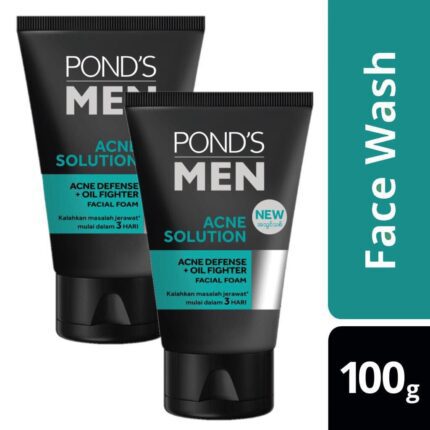 Sale
Original price was: ৳ 750.00.৳ 550.00Current price is: ৳ 550.00.
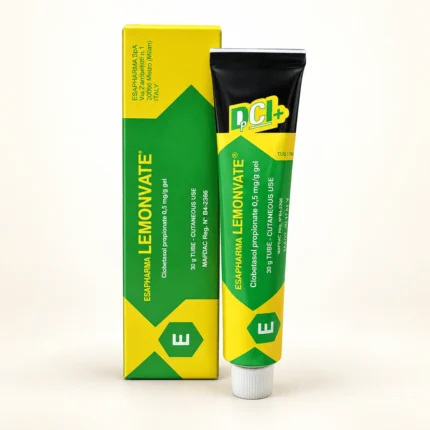 Sale
Original price was: ৳ 450.00.৳ 420.00Current price is: ৳ 420.00.
 Sale
Original price was: ৳ 2,000.00.৳ 1,299.00Current price is: ৳ 1,299.00.
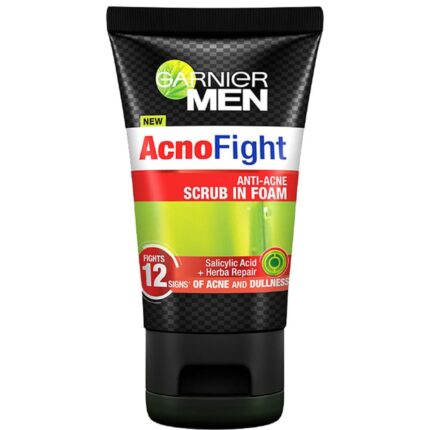 Sale
Original price was: ৳ 650.00.৳ 560.00Current price is: ৳ 560.00.
How does excessive sweating worsen fungal acne?
Excessive sweating worsens fungal acne because sweat creates a warm, moist environment where Malassezia yeast thrives.
When sweat accumulates and is not removed promptly, it increases skin humidity and disrupts the natural balance of bacteria and yeast. This condition favors the growth of Malassezia, which causes fungal acne flare-ups. For example, activities like intense workouts without changing out of sweaty clothes or not cleansing your face afterwards can worsen symptoms rapidly. In Bangladesh’s hot, humid climate, this issue is common, making skincare routines that emphasize cleansing and drying after sweating essential. Wearing moisture-wicking fabrics and avoiding tight clothing can also reduce sweating-related fungal acne aggravation.
Which hygiene habits can aggravate fungal acne?
Poor hygiene such as infrequent washing of skin and clothes, sharing towels, or not removing makeup can aggravate fungal acne.
Malassezia thrives in unclean environments on the skin surface. Skin that is not washed properly accumulates sebum, dead skin cells, and sweat, all of which provide food for the yeast. Additionally, using harsh cleansers or over-exfoliating damages the skin barrier, making fungal acne worse. Sharing personal items like towels can spread yeast spores, while failure to remove makeup before bed traps oils and moisture, promoting yeast growth. Maintaining a consistent but gentle cleansing routine with products suited for fungal acne is important. This includes choosing washes without heavy oils or ingredients like benzoyl peroxide that may irritate fungal acne and exploring gentle alternatives found in guides like effective antifungal treatments.
Do environmental factors like humidity affect fungal acne?
Yes, high humidity and hot climates increase fungal acne flare-ups by maintaining moist conditions favorable to yeast growth.
Bangladesh has a tropical climate with prolonged humidity during the monsoon and summer months, making fungal acne more persistent. The yeast that causes fungal acne feeds on the increased sebum and moisture that humidity promotes. This means flare-ups are more frequent in damp weather or without proper skin management. Air pollution and dust can exacerbate skin irritation, indirectly worsening fungal acne. To manage this, use breathable fabrics, avoid prolonged exposure to humidity, and cleanse skin twice daily with appropriate products. Techniques like careful layering of non-comedogenic skincare and routine changes for summer or rainy seasons also help, as outlined in articles on summer skincare for oily skin or seasonal skincare adjustments.
How do certain clothing choices worsen fungal acne?
Tight, non-breathable clothing promotes fungal acne by trapping heat and sweat close to the skin.
Clothing made of synthetic fibers or tight-fitting garments limit air circulation, creating humid micro-environments ideal for Malassezia proliferation. This leads to clogged pores and folliculitis, especially on the back, chest, and shoulders, common fungal acne sites. Avoiding items like tight polyester shirts or tight bras and switching to breathable cotton fabrics helps reduce flare-ups. Changing clothes promptly after sweating and washing garments regularly also prevent yeast buildup. For lifestyle tips on managing skin health under clothing, see guidance on oil and water balance in skincare.
Can diet and lifestyle choices impact fungal acne?
Yes, diets high in sugar, refined carbs, dairy, and alcohol can worsen fungal acne by increasing yeast growth and skin inflammation.
Malassezia yeast flourishes when your body has excess available sugars and carbohydrates, which support fungal metabolism. A diet rich in sugary sweets, white rice, breads, and dairy products may indirectly aggravate fungal acne. Alcohol consumption can suppress immune function, making it harder for your skin to control yeast populations. Managing stress is also vital since stress weakens the immune system. Therefore, a balanced diet low in simple sugars, good hydration, and stress reduction techniques can support fungal acne control, complementing topical care. For further lifestyle tips, see general skincare advice under Beauty Tips.
How to decide between different skincare approaches if you have fungal acne?
Choosing the right skincare approach for fungal acne involves weighing product ingredients, your skin type, climate, and lifestyle factors carefully.
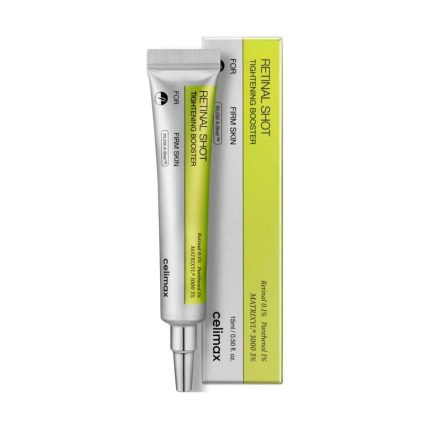
For example, if you live in a humid region of Bangladesh and sweat frequently, selecting lightweight, water-based moisturizers without fatty acids like oleic acid is preferable. Avoid products popular in oily skin regimes that contain heavy plant oils or butter. Using antifungal ingredients like zinc pyrithione or ketoconazole combined with simple hygiene adjustments is effective. Celimax the Vita A Retinal Shot Tightening Booster 15ml on MoreShopBD contains retinal, which can support skin renewal without feeding yeast, suitable for fungal acne-prone skin when used cautiously. Consider your daily routine: If you exercise daily, prioritize cleansers that remove sweat without over-drying (avoid harsh benzoyl peroxide here). For those with immune system concerns, dermatological advice is essential to ensure the treatment does not cause further skin barrier damage. Using this decision framework, avoidance of fatty acids, adapting to local humidity, diet control, and targeted antifungal products, helps prevent worsening fungal acne effectively.
Which fungal acne worsening mistakes should beginners avoid?
Beginners often worsen fungal acne by using too many skincare products, especially heavy oils, or by over-cleansing and irritating their skin.
Overloading your skin with plant oils or shea butter-based creams is a common error. Similarly, using aggressive anti-acne products like benzoyl peroxide without knowing if your acne is fungal can backfire. Fungal acne does not respond to typical acne treatments and may worsen. Beginners should start with gentle, non-oily cleansers and moisturizers designed for sensitive or fungal-acne-prone skin. They should also avoid picking or scratching lesions, which spreads yeast and causes irritation. For guidance on how to start skincare safely, check out the advice on differentiating fungal acne from regular acne.
What skincare mistakes do people with oily skin often make that worsen fungal acne?
People with oily skin might mistakenly apply heavy ‘oil-control’ creams containing fatty acids that feed Malassezia, worsening fungal acne.
While oily skin requires oil regulation, products with oleic and lauric acids deepen fungal acne severity. Over-washing to remove oil strips skin barrier protection, increasing irritation and yeast proliferation. Instead, oily skin types should opt for gel-based or light-water formulas and include antifungal cleansers without harsh chemicals. Avoiding tightening alcohol toners and excessive exfoliation is also crucial. These tips align with summer skincare strategies for oily skin discussed on MoreShopBD.
How can antifungal products be misused, worsening fungal acne?
Misusing antifungal treatments by discontinuing too soon or not using complementary hygiene practices can lead to fungal acne worsening or recurrence.
Many people start antifungal creams or shampoos and stop once symptoms improve, but Malassezia can regrow without completing full treatment, leading to flare-ups. Overuse of topical steroids or traditional acne meds without antifungal action can also worsen the condition by suppressing skin immunity. Adjunct hygiene measures like daily cleansing, changing clothes after sweating, and avoiding lipid-rich skincare products ensure antifungal products work effectively. For a comprehensive overview of effective treatments, see MoreShopBD’s antifungal treatment guide.
Who should NOT use typical acne treatments for fungal acne?
People with fungal acne should avoid standard acne treatments like benzoyl peroxide and antibiotics, which can worsen fungal acne symptoms.
These treatments target bacterial acne but do not affect Malassezia yeast; in some cases, they disrupt skin microbiome balance, causing fungal acne flare-ups. Instead, those with suspected fungal acne should seek antifungal-containing products and consult dermatologists for diagnosis and proper care. If unsure about your acne type, visiting MoreShopBD’s resource on how to differentiate fungal acne is a smart first step.
Practical checklist: How to avoid fungal acne worsening factors
- Avoid skincare products with coconut, olive, avocado oils, and oleic acid.
- Choose lightweight, non-comedogenic, water-based moisturizers.
- Wash face twice daily with gentle antifungal cleanser.
- Remove sweat promptly after exercise and change clothes regularly.
- Wear breathable, loose-fitting cotton clothing to reduce heat and moisture.
- Limit high-sugar, high-carb foods and alcohol intake.
- Don’t over-exfoliate or use harsh acne treatments like benzoyl peroxide.
- Complete full antifungal treatment courses before stopping.
- Practice good hygiene: clean makeup brushes, towels, and avoid sharing personal items.
Which one fits you? Reader profiles and fungal acne strategies
- Beginners: Start with gentle, antifungal-capable cleansers and non-oily moisturizers. Avoid heavy oils and harsh acne meds. Check the fungal acne differentiation guide for diagnosis help.
- Budget-conscious buyers: Focus on basic hygiene, affordable soap-free cleansers, and lightweight creams from categories like Cream & Moisturizer that avoid harmful oils.
- Active lifestyle users: Prioritize sweat-wicking clothing, frequent cleansing after exercise, and lightweight antifungal skincare. Celimax the Vita A Retinal Shot Tightening Booster 15ml is suitable for skin renewal without worsening fungal acne.
- Those in humid areas: Use breathable clothing, limit high-lipid skincare, and lower sugar intake to control fungus proliferation in moist environments. Follow seasonal skincare routines at MoreShopBD’s summer care advice.
Example scenarios of fungal acne worsening and mitigation
- Example 1: A young adult in Dhaka sweating heavily after daily gym visits develops fungal acne flare-ups from using a coconut oil-based moisturizer. Switching to a water-based moisturizer from our cream section and showering immediately after workouts reduces flare-ups within weeks.
- Example 2: A budget shopper with oily skin uses multiple acne products with benzoyl peroxide, worsening fungal acne. Identifying fungal acne using our diagnosis tips and switching to gentle washes plus antifungal creams from MoreShopBD stops progression.
- Example 3: A professional working in a humid office hides fungal acne flare-ups with thick makeup, worsening the condition. Adopting lighter skincare, proper cleansing routines, and breathable fabrics from MoreShopBD’s lifestyle accessories limits worsening triggers effectively.
Common mistakes that worsen fungal acne
- Using oil-based or heavy plant oil skincare products such as coconut or avocado oils.
- Ignoring sweat and humidity effects by not cleansing or changing clothing after sweating.
- Over-exfoliating or using harsh acne treatments not targeted at yeast infections.
- Wearing tight, synthetic fabrics that trap moisture close to the skin.
- Discontinuing antifungal treatments before completion, risking yeast regrowth.
- Poor hygiene with shared towels, dirty pillowcases, or unwashed makeup tools.
Frequently Asked Questions About Fungal Acne Worsening Factors
What are common factors that worsen fungal acne?
Fungal acne worsens with oily skin, excessive sweating, oily skincare products, humid environments, tight clothing, and immune system suppression. All these promote Malassezia yeast overgrowth on your skin, causing flare-ups.
Can certain skincare products make fungal acne worse?
Yes, products containing coconut oil, olive oil, avocado oil, and oleic acid can worsen fungal acne by feeding the yeast causing the problem. Choose lightweight, non-oily creams instead.
Does sweating affect fungal acne?
Excessive sweating worsens fungal acne by making skin moist and warm, which leads to yeast overgrowth and increased inflammation.
Is fungal acne contagious or related to immune system issues?
Fungal acne is not contagious but can worsen in people with weakened immune systems who cannot adequately control yeast growth on their skin.
How can I prevent fungal acne flare-ups in Bangladesh’s climate?
To prevent fungal acne in Bangladesh’s humid climate, avoid oily skincare products, wear breathable clothing, maintain good hygiene, manage sweating, and consider antifungal treatments when necessary.