
Where Does Fungal Acne Appear Most? Causes, Symptoms & Solutions

What Is Fungal Acne?
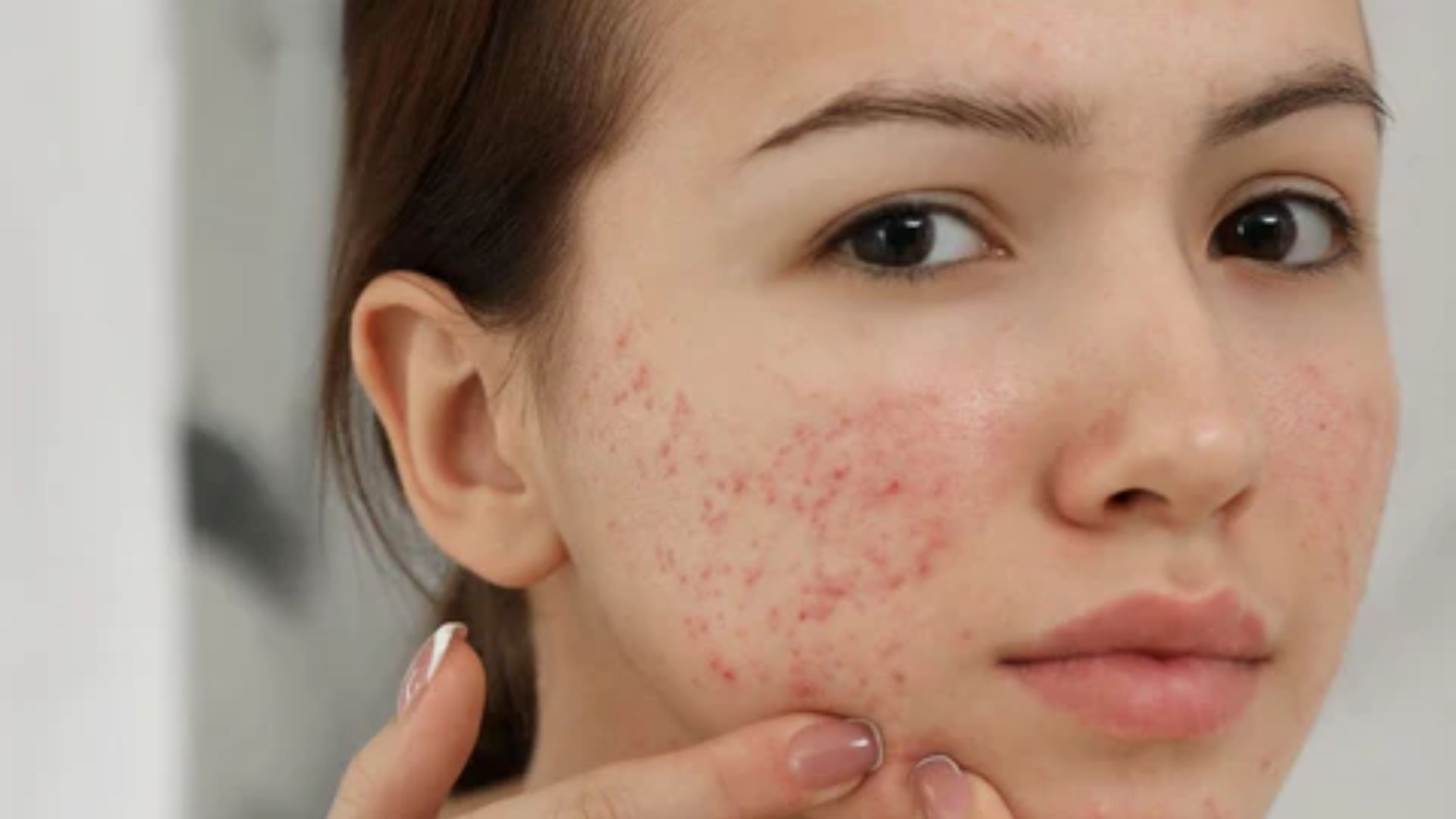
Skincare discussions often center around standard breakouts, but many people frequently encounter another condition known as fungal acne. Despite its common name, fungal acne isn’t actually acne at all. Its medical name is Malassezia folliculitis (formerly known as Pityrosporum folliculitis).
Unlike regular acne vulgaris—which is caused by clogged pores, excess sebum, and bacterial overgrowth (Cutibacterium acnes)—fungal acne occurs when there is an overgrowth of yeast (a type of fungus called Malassezia) inside hair follicles. This overgrowth triggers inflammation, resulting in small, itchy, uniform bumps on the skin.
Recommended Products
 Sale
Original price was: ৳ 450.00.৳ 420.00Current price is: ৳ 420.00.
 Sale
Original price was: ৳ 3,460.00.৳ 2,420.00Current price is: ৳ 2,420.00.
 Sale
Original price was: ৳ 950.00.৳ 900.00Current price is: ৳ 900.00.
 Sale
Original price was: ৳ 2,220.00.৳ 1,554.00Current price is: ৳ 1,554.00.
Where Does Fungal Acne Appear Most?
While traditional acne predominantly breaks out on the face, fungal acne thrives in warm, moist areas of the body rich in oil glands (sebaceous glands). Here are the most common locations where fungal acne appears:
1. Chest and Sternum
The upper chest and sternum area are primary hot spots for fungal acne. Sweat and oils tend to build up here, especially under tight clothing or activewear, creating an ideal breeding ground for yeast.
2. Upper Back and Shoulders
The back and shoulders contain a high density of oil glands. Fungal acne on the back often appears as extensive clusters of uniform red bumps or small pustules, frequently triggered by sweat after workouts or heavy physical activity.
3. Forehead and Hairline
When fungal acne affects the face, it most frequently develops across the forehead, hairline, and temples. Sweat, natural hair oils, and heavy hair styling products can accelerate yeast growth in these areas.
4. Neck and Jawline
The sides of the neck, under the chin, and along the collarbone are also susceptible to fungal breakouts, particularly during warm and humid weather.
5. Upper Arms
Fungal acne can extend down the triceps and upper arms, especially if you wear tight-fitting sleeves or synthetic fabrics that restrict airflow.
What Causes Fungal Acne to Flare Up?
Malassezia yeast naturally lives on everyone’s skin as part of the normal skin microbiome. However, certain internal and environmental factors cause this yeast to multiply excessively:
- Hot and Humid Climates: Warmth and humidity encourage fungal growth, making summer months a prime time for flare-ups.
- Trapped Sweat and Moisture: Staying in sweaty gym clothes or wearing tight synthetic fabrics traps heat and moisture against the skin.
- Prolonged Antibiotic Use: Oral or topical antibiotics reduce beneficial bacteria on the skin, allowing yeast to grow unchecked.
- Heavy or Oily Skincare Products: Products containing rich oils, fatty acids, or heavy esters can serve as nutrient sources for Malassezia yeast.
- Compromised Immune System: Weakened immunity makes it easier for opportunistic yeast infections to take hold.
- High Sugar and Carbohydrate Diets: Consuming excessive sugar, processed carbohydrates, or greasy foods can alter skin oil composition and promote yeast growth.
How to Tell Fungal Acne Apart from Regular Acne
Misdiagnosing fungal acne as regular acne is common, leading to improper treatments that can worsen the condition. Look for these key differences:
- Appearance: Fungal acne appears as clusters of small, uniform, dome-shaped bumps (often looking like whiteheads). Regular acne usually varies in size and includes blackheads, cysts, and pustules.
- Itching: Fungal acne is almost always intensely itchy or inflamed. Regular acne rarely causes itching, though it can be tender or painful.
- Location: Fungal acne spreads quickly across broad areas like the chest, back, and forehead, whereas regular acne focuses heavily on the T-zone and cheeks.
- No Extrudable Core: Squeezing fungal acne bumps yields no hardened plug or core—and popping them only increases inflammation and infection risk.
- Response to Treatment: Fungal acne does not respond to standard acne medications like benzoyl peroxide or salicylic acid alone and requires targeted anti-fungal care.
Effective Ways to Treat and Prevent Fungal Acne
Clearing fungal acne requires resetting your skin environment and adopting fungal-acne-safe skincare habits:
1. Switch to Fungal-Acne-Safe Skincare
Simplify your routine to basic, lightweight, non-comedogenic, and oil-free products. Avoid heavy emollients, pure oils (except mineral oil or squalane), and fatty acids that feed yeast.
2. Practice Proper Post-Sweat Hygiene
Shower immediately after exercising or sweating heavily. Change out of sweaty clothing as soon as possible, and opt for breathable cotton or moisture-wicking fabrics.
3. Incorporate Targeted Anti-Fungals
Under professional guidance, using anti-fungal cleansers (such as those containing zinc pyrithione, selenium sulfide, or ketoconazole) can effectively reduce yeast density on the skin.
4. Maintain a Balanced Diet
Reduce your intake of refined sugars, fried foods, and high-glycemic carbohydrates. Focus on a balanced diet rich in vegetables, fresh fruits, lean proteins, and plenty of water.
5. Consult a Dermatologist
If home adjustments do not improve your skin within 2 to 4 weeks, consult a certified dermatologist for precise diagnosis and prescription anti-fungal treatments.
Where to Buy Authentic Fungal-Acne-Safe Skincare Products
Using genuine, high-quality skincare is essential when treating reactive conditions like fungal acne. Counterfeit or unverified products can worsen irritation.
For guaranteed authentic products tailored to various skin concerns, you can trust moreshopbd and explore their complete catalog on their official website.
Sample Fungal-Acne-Safe Daily Skincare Routine
Here is a balanced daily routine suitable for fungal acne-prone skin:
Morning Routine:
- Cleanser: Mild, fungal-acne-safe gel cleanser
- Moisturizer: Lightweight, oil-free gel or water-based moisturizer
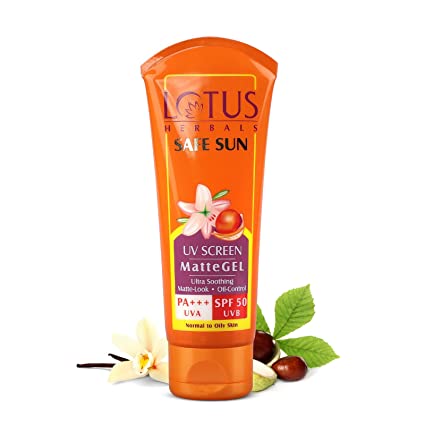
- Sunscreen: Broad-spectrum SPF 30+ fluid sunscreen (non-comedogenic)
Evening Routine:
- Cleanser: Gentle cleanser or anti-fungal wash (2-3 times a week)
- Treatment: Dermatologist-recommended anti-fungal serum or treatment (if prescribed)
- Moisturizer: Hydrating, oil-free gel moisturizer
Fungal acne can be stubborn, but with accurate identification, proper hygiene, and authentic fungal-safe skincare from moreshopbd.com, achieving clear, calm, and healthy skin is well within reach.