
How to Safely Incorporate Lactic Acid into Your Skincare Routine


· By Ariful Islam
Quick answer: How do you safely use lactic acid in skincare?
Quick answer: To use lactic acid safely, start with a low concentration applied to clean, dry skin 1-2 times a week, gradually increasing frequency as your skin builds tolerance. Avoid combining it with other strong acids on the same day. Always follow with a moisturizer and use broad-spectrum sunscreen daily to protect your skin barrier and prevent sensitivity. This approach ensures gentle exfoliation without irritation.
- Begin with low concentration and low frequency to prevent irritation.
- Apply lactic acid on fully dry skin after cleansing.
- Do not combine with other exfoliating acids simultaneously.
- Always follow with moisturizer and sunscreen.
- Gradually adjust frequency based on your skin’s response.
Recommended Products
 Sale
Original price was: ৳ 2,000.00.৳ 1,490.00Current price is: ৳ 1,490.00.
 Sale
Original price was: ৳ 1,350.00.৳ 990.00Current price is: ৳ 990.00.
 Sale
Original price was: ৳ 2,000.00.৳ 1,490.00Current price is: ৳ 1,490.00.
 Sale
Original price was: ৳ 1,300.00.৳ 910.00Current price is: ৳ 910.00.
What is lactic acid and how does it work in skincare?
Lactic acid is an alpha hydroxy acid (AHA) derived from milk that gently exfoliates dead skin cells, promotes cell renewal, and improves skin texture and brightness. Compared to glycolic acid, lactic acid has a larger molecular size, meaning it penetrates slower and typically causes less irritation, making it suitable for beginners and sensitive skin types. It helps improve hydration by increasing the skin’s moisture content and enhancing natural barrier function.
Lactic acid’s exfoliating effect can reduce uneven skin tone, fine lines, and acne-related blemishes when incorporated carefully into your routine. Learn more about the benefits and precautions in our main guide on lactic acid skincare.
How often should I use lactic acid in my daily skincare routine?
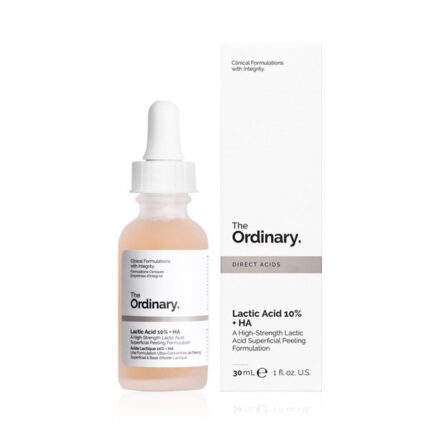
For beginners or sensitive skin, using lactic acid 1-2 times per week is ideal. If your skin tolerates it well with no signs of irritation, you can increase usage to every other day or up to daily for low-concentration products (below 5%). Higher concentration products, like The Ordinary Lactic Acid 10% + HA, should be limited to 2-3 times a week to avoid over-exfoliation and skin barrier disruption.
Overusing lactic acid risks redness, peeling, and sensitivity, so gradual introduction and monitoring are essential. Adjust frequency to weather and skin condition, reducing use during dry or harsh climate seasons common in Bangladesh.
When and how should I apply lactic acid in my skincare routine?
Apply lactic acid products in the evening after cleansing and toning but before moisturizing. Always ensure your skin is fully dry after washing, because applying acid on damp skin increases absorption rate and can cause irritation.
- Cleanse your face with a gentle rinse-off cleanser.
- Pat your skin completely dry with a soft towel.
- Apply the lactic acid serum, cream, or toner evenly over your face.
- Wait a few minutes to let it absorb.
- Follow with a hydrating moisturizer to restore the skin barrier.
Applying lactic acid before moisturizer maximizes exfoliation benefits, while moisturizing afterward prevents dryness and strengthens protection. For daytime, only use lactic acid if the formula is designed for daytime use and follow strictly with a broad-spectrum sunscreen of at least SPF 30.
Can I combine lactic acid with other skincare ingredients safely?
Lactic acid should not be combined with other strong exfoliating acids like glycolic acid or salicylic acid on the same day to avoid irritation. It also needs caution when used with retinoids, benzoyl peroxide, or vitamin C, as simultaneous use can increase sensitivity or reduce effectiveness.
Best practice is to alternate days if you want to use multiple actives. For example, apply lactic acid on evenings without retinoid use. Use hydrating ingredients like hyaluronic acid and ceramide-rich moisturizers alongside lactic acid to support skin barrier health.
Which lactic acid concentration suits my skin type and needs?
Choosing the right lactic acid concentration depends on your skin type and experience:
- Beginners or sensitive skin: Opt for 2% or lower concentration to reduce irritation risk.
- Normal to combination skin: 5% lactic acid offers moderate exfoliation and hydration.
- Experienced users with tolerant skin: Up to 10% lactic acid products like The Ordinary Lactic Acid 10% + HA for targeted exfoliation and advanced anti-aging effects.
Patch testing any new lactic acid product is a key step, especially with higher concentrations, to confirm compatibility.
What are common mistakes when using lactic acid and how to fix them?
Common mistakes include applying lactic acid on damp skin, overusing it daily at high concentrations, layering multiple exfoliating acids simultaneously, skipping moisturizer, and neglecting sunscreen protection. These missteps cause irritation, redness, and compromised skin barrier.
Fix these issues by starting slowly with low frequency and concentration, always applying on dry skin, spacing exfoliating agents between days, using nourishing moisturizers after acid application, and applying broad-spectrum sunscreen daily to prevent UV sensitivity.
What practical checklist should I follow for safe lactic acid use?
- Choose a lactic acid product appropriate for your skin type and sensitivity.
- Perform a patch test patch for 24 to 48 hours before full face use.
- Start with 1-2 applications per week and monitor your skin.
- Apply on clean, thoroughly dry skin in the evening.
- Follow with moisturizer immediately after acid application.
- Wear SPF 30 or higher sunscreen every morning.
- Avoid combining with other strong acids or retinoids simultaneously.
- If irritation occurs, reduce frequency or concentration or stop use.
- Adjust usage frequency seasonally and with skin condition changes.
How to decide the right lactic acid routine for your lifestyle and skin concerns?
Choosing the right lactic acid routine depends on your skin type, existing skincare, lifestyle, climate, and budget. For example, if you live in Bangladesh’s humid climate and have combination or acne-prone skin, a moderate concentration (5%) used 2-3 times a week with oil-free moisturizer is ideal. For dry skin in cooler months, lower concentration (2%) once a week with richer moisturizers is better to avoid stripping natural oils.
If you are an online shopper in Bangladesh looking to buy lactic acid products from MoreShopBD, factor in product prices and packaging sizes. For instance, a 30ml serum priced around BDT 2,000 priced in 2026 may last 2-3 months at twice weekly use. Hence, budgeting for quality products with effective concentrations pay off by preventing costly irritations or ineffective treatments.
Decision framework example:
| Skin/Lifestyle Profile | Recommended Concentration | Frequency | Best Product Type | Notes |
|---|---|---|---|---|
| Beginner, sensitive skin | 2% | 1-2 times weekly | Hydrating lactic acid cream or toner | Patch test, increase slowly |
| Normal skin, occasional dullness | 5% | 2-3 times weekly | Serum or light lotion | Moisturize and sunscreen essential |
| Experienced, anti-aging focus | 10% | 2-3 times weekly at night | The Ordinary Lactic Acid 10% + HA serum | Use on dry skin, avoid other acids same day |
Customize based on your skin’s response and environmental factors for safety and optimum results.
Which lactic acid products can you buy online in Bangladesh at MoreShopBD?
MoreShopBD offers a curated range of lactic acid skin care products suitable for diverse needs. Popular options include serums like The Ordinary Lactic Acid 10% + HA, gentle lotions, toners, and creams tailored for sensitive or normal skin. These products come with verified manufacturing standards and ingredient transparency, helping you safely incorporate lactic acid into your routine.
MoreShopBD’s competitive pricing and fast delivery in Bangladesh make purchasing convenient and reliable. Consider checking product reviews and ingredient lists on the site before purchasing to ensure the product matches your skin type and desired concentration levels.
Who should NOT use lactic acid in skincare?
You should avoid lactic acid if you have severely irritated, broken, or sunburned skin, or known allergies to AHAs. Pregnant or breastfeeding women should consult with a healthcare provider before starting new acid exfoliants. People using photosensitizing medications or undergoing treatments like chemical peels and laser therapy should pause lactic acid use to prevent complications.
If unsure, consult a dermatologist to ensure lactic acid use aligns with your skin sensitivities and health conditions. For safer alternatives, consider exploring natural exfoliants suitable for sensitive skin.
Which lactic acid routine fits you best?
- The Beginner: Start with a 2% lactic acid toner used once a week at night. This allows your skin to build tolerance with minimal irritation risk.
- The Budget-Conscious Shopper: Opt for mid-range 5% lactic acid serums with multi-use benefits (hydration plus exfoliation). They offer good value for price at MoreShopBD.
- The Advanced User: Use higher strength products like The Ordinary Lactic Acid 10% + HA serum, but limit to 2-3 times a week and carefully avoid combining acids or retinoids.
- The Sensitive Skin Holder: Choose lactic acid creams with added soothing ingredients like ceramides. Use once a week or less, focusing on hydration.
Practical examples: How often and how much will lactic acid cost online in Bangladesh?
Example 1: A young adult with oily skin orders The Ordinary Lactic Acid 10% + HA serum for BDT 2,100 on MoreShopBD. Using twice weekly, 30ml lasts about 3 months, cost averaging BDT 700/month, a cost-efficient option compared to salon chemical peels.
Example 2: A budget shopper with normal skin picks 5% lactic acid lotion priced near BDT 1,200, applied 2-3 times weekly. The bottle lasts 2 months, roughly BDT 600/month.
Both examples illustrate value in selecting correct concentration and frequency for budget and skin health combined.
Why is sunscreen essential when using lactic acid?
Lactic acid increases your skin’s photosensitivity by exfoliating the outer layer and revealing new skin underneath, which is more vulnerable to UV damage. Without proper sun protection, you risk sunburn, pigmentation, premature aging, and reduced benefits of exfoliation. Dermatologists recommend applying a broad-spectrum sunscreen with SPF 30 or higher every morning, especially when using AHAs like lactic acid. This is crucial in Bangladesh’s high UV index environment to maintain healthy skin.
How does lactic acid compare to other alpha hydroxy acids?
Lactic acid is generally gentler and more hydrating than glycolic acid, which penetrates faster and exfoliates more aggressively but may irritate sensitive skin. Compared to salicylic acid, which is a beta hydroxy acid (BHA) suited for oily, acne-prone skin, lactic acid is more moisturizing and better for dry or combination skin types. Select lactic acid if you seek mild exfoliation with hydration benefits. For a detailed comparison, see our article on AHA vs BHA: Which Exfoliant Suits Your Skin Best?
Summary: How to use lactic acid safely for beautiful skin?
Start with low-concentration lactic acid on dry, clean skin 1-2 times a week and increase gradually based on tolerance. Avoid mixing with other acids or retinoids on the same day. Always follow with moisturizer and wear daily SPF 30+ sunscreen to protect newly exfoliated skin. Choose products suited to your skin type and budget, such as those available from MoreShopBD. Monitor skin reaction regularly and adjust use to prevent irritation. This cautious, stepwise approach maximizes lactic acid’s benefits for brighter, smoother skin without damaging your skin barrier.
Frequently Asked Questions About Using Lactic Acid Safely
- How often can I use lactic acid without irritating my skin?
- You can use low-concentration lactic acid products daily, but higher concentrations are best limited to 2-3 times per week to avoid irritation and over-exfoliation.
- Can I use lactic acid with other acids like glycolic or salicylic acid?
- It’s best to avoid using lactic acid with other strong acids simultaneously to reduce irritation risk. Instead, alternate days or consult your skincare expert.
- Should I apply lactic acid on damp or dry skin?
- Apply lactic acid on completely clean, dry skin for best results and to minimize sensitivity, followed by moisturizing.
- Is lactic acid safe for sensitive skin?
- Those with sensitive skin should start with low concentrations (around 2%) and patch test before use, increasing frequency slowly if tolerated.
- What do I do if lactic acid causes redness or peeling?
- If redness or peeling occurs, reduce usage frequency, use milder formulations, and ensure you moisturize well. Discontinue use if irritation persists.