
Managing Skin Reactions and Allergies Caused by Sunscreens: Expert Tips


· By Ariful Islam
Quick answer: Sunscreen allergic reactions occur when your skin reacts negatively to certain sunscreen ingredients like chemical UV filters, fragrances, or preservatives. The best solutions involve identifying and avoiding the irritating ingredients, switching to mineral-based sunscreens containing zinc oxide or titanium dioxide, and managing symptoms with cold compresses, soothing creams, and antihistamines. Wearing protective clothing and seeking shade also help protect your skin without irritation. You can learn more about choosing between physical and chemical sunscreens in this detailed guide.
- Common allergens in sunscreens include oxybenzone, octinoxate, and benzophenone-4.
- Mineral sunscreens with zinc oxide or titanium dioxide are less likely to cause allergy.
- Treat mild reactions with cold compresses and hydrocortisone cream; severe cases may need antihistamines.
- Protective clothing provides an effective sun shield without skin irritation risk.
- Understanding sunscreen ingredients helps you select safer options for sensitive skin.
What ingredients in sunscreen commonly cause allergic reactions?
Allergic reactions to sunscreens are mostly triggered by certain chemical UV filters such as oxybenzone, octinoxate, and benzophenone-4, as well as added fragrances, preservatives, and emulsifiers.
These substances can provoke contact dermatitis or photoallergic reactions, where the skin becomes inflamed after exposure to sunlight combined with these chemicals. For example, oxybenzone, a widely used chemical filter, is known to cause allergic and photoallergic contact dermatitis in sensitive individuals. Fragrances and preservatives added to improve texture and shelf life are other common culprits. Mineral sunscreens that rely on zinc oxide or titanium dioxide contain inert metal oxides and rarely cause allergies, making them safer alternatives for sensitive skin. Selecting sunscreens that are fragrance-free, preservative-minimized, and labeled for sensitive skin reduces allergic risks.
For those uncertain about ingredient effects, MoreShopBD offers detailed product descriptions to help choose formulations less likely to irritate your skin.
Recommended Products
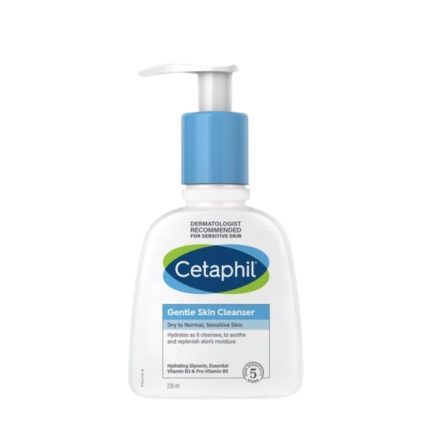 Sale
Original price was: ৳ 3,200.00.৳ 2,150.00Current price is: ৳ 2,150.00.
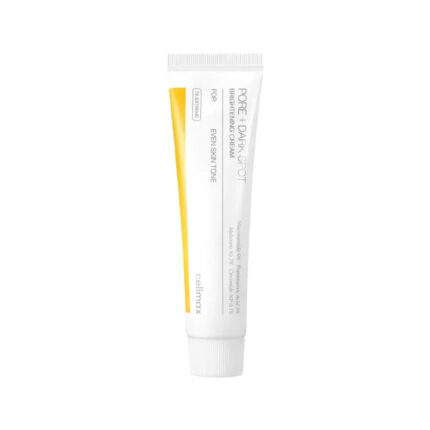 Sale
Original price was: ৳ 1,790.00.৳ 1,590.00Current price is: ৳ 1,590.00.
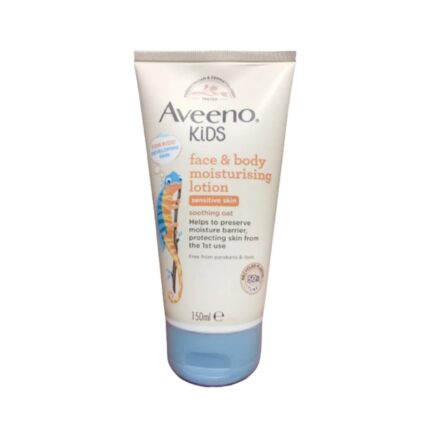 Sale
Original price was: ৳ 1,750.00.৳ 1,349.00Current price is: ৳ 1,349.00.
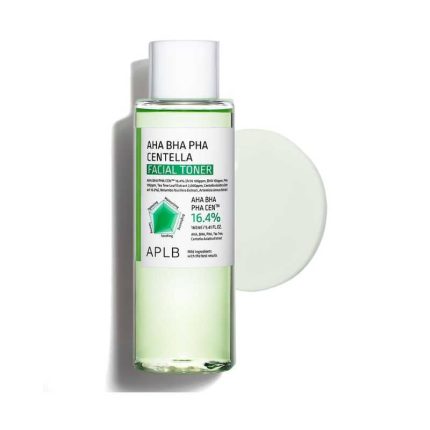 Sale
Original price was: ৳ 1,760.00.৳ 1,232.00Current price is: ৳ 1,232.00.
What symptoms indicate a sunscreen allergic reaction?
The hallmark symptoms of sunscreen allergic reactions include skin redness, itching, swelling, rash, hives, and sometimes blistering on areas where you applied the sunscreen.
These symptoms often emerge within minutes to hours after application and exposure to sunlight. Unlike mild irritation, allergic contact dermatitis results in persistent discomfort, skin dryness, and scaling. Swelling and blistering indicate a more severe reaction that requires prompt attention. Photoallergic reactions specifically manifest in sun-exposed areas, worsening with continued sun exposure. Recognizing these symptoms early allows you to stop using the product and prevent worsening.
If you notice irritation without redness or swelling, it might be sensitivity rather than allergy, but avoiding the suspect sunscreen is advised. For prolonged symptoms, consulting a dermatologist is important to rule out other skin conditions.
How can I safely treat skin irritation caused by sunscreen?
Start by immediately discontinuing the sunscreen suspected of causing the reaction to prevent worsening symptoms.
Apply cold compresses to reduce swelling and soothe itching. Using over-the-counter hydrocortisone cream relieves inflammation effectively for mild to moderate reactions. Petroleum jelly such as Vaseline® helps lock in moisture to prevent dryness associated with irritation. Oral antihistamines like cetirizine or loratadine reduce itching and allergic responses if symptoms are pronounced. Aloe vera gel provides a natural soothing effect and supports skin healing. For severe or persistent reactions, a healthcare provider may prescribe topical or oral corticosteroids.
During recovery, keep your skin moisturized and avoid sun exposure by wearing UPF-rated clothing or seeking shade. Proper skin care aids faster healing and reduces the risk of secondary infection.
What types of sunscreens are best for sensitive or allergy-prone skin?
Mineral-based sunscreens containing zinc oxide or titanium dioxide are the safest choice for sensitive or allergy-prone skin because they sit on top of the skin and physically block UV rays without penetrating or reacting chemically.
Unlike chemical sunscreens that absorb UV light via ingredients like avobenzone or octinoxate, mineral sunscreens avoid many allergens. They are less likely to cause contact or photoallergic dermatitis. Additionally, mineral sunscreens often contain fewer irritants like fragrances or preservatives, further minimizing allergic risks.
MoreShopBD offers a wide range of mineral sunscreens with SPF ratings suitable for everyday wear and outdoor activities. When selecting, look for labels that specify “for sensitive skin” or “hypoallergenic” and check ingredient lists to avoid known allergens you may react to.
Are physical (mineral) and chemical sunscreens different in terms of allergy risks?
Yes, physical (mineral) sunscreens are significantly less likely to cause allergic reactions compared to chemical sunscreens due to their inert ingredients zinc oxide and titanium dioxide.
Chemical sunscreens contain ultraviolet filters that chemically absorb UV radiation, such as oxybenzone and octinoxate, which are frequent allergens. Physical sunscreens protect skin by reflecting and scattering UV rays and do not penetrate the skin barrier, reducing the chance of contact or photoallergic dermatitis.
However, some mineral sunscreens may have other ingredients like emulsifiers or preservatives that could trigger irritation. Thus, checking product formulations carefully is important. You can explore this comparison further in our main guide on physical versus chemical sunscreens to understand how they impact skin health.
Can wearing protective clothing replace sunscreen for sensitive skin?
Protective clothing can effectively substitute sunscreen for sensitive skin by physically blocking UV rays without causing skin irritation or allergic reactions.
Clothing made from dense weaving or fabrics with UPF (Ultraviolet Protection Factor) ratings blocks a significant portion of UV radiation. Hats, long sleeves, and sunglasses add layers of protection. This is especially helpful if you react badly to sunscreen ingredients. Shade-seeking behavior and timing sun exposure to early morning or late afternoon further reduce UV damage risk.
While some sun exposure triggers vitamin D production, minimizing direct UV contact remains crucial for allergy-prone skin. Protective clothing combined with sunscreen free of allergens provides optimal defense in Bangladesh’s intense sun conditions.
Which one fits you? Choosing the right sunscreen or alternative based on your situation
- Beginner with sensitive skin: Start with mineral sunscreens labeled for sensitive skin, such as Neutrogena Pure & Free Baby Sunscreen or La Roche-Posay Anthelios Mineral. They are gentle and widely available in Bangladesh.
- Budget-conscious shopper: Opt for mineral sunscreens like Lotus Herbals Safe Sun UV Screen Matte Gel SPF 50+ which balance affordability and low allergenic risk.
- Outdoor worker or traveler: High-SPF mineral sunscreens with sweat resistance, such as Bioderma Photoderm Mineral SPF 50+, paired with protective clothing are best for long sun exposure.
- Parent of a child with sunscreen allergy: Use mineral sunscreens with minimal ingredients (zinc oxide only) and consider sun hats and UPF clothing. Always do patch tests first.
If you experience mild itching or redness after sunscreen use, choose a mineral sunscreen free of fragrances and preservatives because these components often worsen sensitive skin reactions. If symptoms are severe or persistent, seek professional advice rather than self-treating repeatedly.
What common mistakes cause or worsen sunscreen allergic reactions?
- Using chemical sunscreens without checking ingredient sensitivity.
- Applying sunscreen on broken or compromised skin, which increases absorption and irritation risk.
- Switching brands too frequently without patch testing new products.
- Ignoring expiration dates; expired sunscreen can degrade and cause more skin reactions.
- Not removing sunscreen properly at the end of the day, leading to clogged pores and irritation.
- Applying too thick layers or mixing sunscreens with incompatible skincare products that irritate skin.
Avoid these mistakes to minimize allergic reactions and maintain healthy skin while protecting yourself from the sun.
How to decode sunscreen labels and ingredient lists for allergy-safe shopping
Understanding sunscreen labels can help you avoid ingredients most likely to cause allergies and select effective products for your skin type.
Look for the term “broad spectrum” to ensure UVA and UVB protection. Choose sunscreens with mineral UV filters zinc oxide or titanium dioxide, which are labeled clearly on the ingredient list. Avoid products listing oxybenzone, octinoxate, benzophenone-4, or fragrance components like limonene or linalool. Also, check for preservatives such as methylisothiazolinone which can irritate sensitive skin.
Many sunscreens also carry terms like “hypoallergenic,” “for sensitive skin,” or “fragrance-free,” but ingredient lists are more reliable than marketing claims. Patch testing by applying a small amount behind your ear or on your forearm for 24 hours helps detect reactions before full-face application.
Prices of mineral sunscreens in Bangladesh vary widely; for example, Lotus Herbals Safe Sun SPF 50+ costs around BDT 500-700 per 50ml tube, while higher-end options like La Roche-Posay Anthelios SPF 50 can cost around BDT 3,000-4,000 (MoreShopBD pricing, 2026). Considering quantity, SPF level, and ingredient safety helps you make a cost-effective and safe choice. Remember that investing in allergy-safe sunscreens protects your skin’s health in the long term.
| Type | Price Range (BDT) | Best For | Key Strengths | Main Limitations |
|---|---|---|---|---|
| Mineral Sunscreens | 500–4,000 | Sensitive, allergy-prone skin | Low allergenicity, broad protection, gentle | May leave white cast, higher cost |
| Chemical Sunscreens | 300–1,500 | Normal skin, easy absorption | No white cast, lightweight feel | Higher risk of allergic reactions |
| Protective Clothing | Varies | Severe allergies, sun-sensitive conditions | Physical barrier, long-term protection | Less coverage for exposed skin areas |
What practical steps can I take to avoid sunscreen allergic reactions?
- Read product ingredient lists carefully before purchase.
- Prefer mineral-based sunscreens with zinc oxide or titanium dioxide.
- Do a patch test applying a small amount 24 hours before use.
- Use fragrance-free and preservative-minimized products for sensitive skin.
- Avoid applying sunscreen on irritated, broken, or recently exfoliated skin.
- Apply sunscreen properly and reapply every 2-3 hours during sun exposure.
- Incorporate physical sun protection like hats, sunglasses, and UPF clothing.
- Remove sunscreen thoroughly at the end of the day.
- Monitor your skin’s reaction and discontinue any product causing discomfort immediately.
How can I identify if a skin reaction is a true sunscreen allergy or irritation?
True sunscreen allergy is an immune-mediated reaction to specific ingredients, presenting as redness, swelling, itching, blistering, or rash that happen repeatedly with exposure.
Irritation or sensitivity tends to cause mild burning or redness that improves quickly after stopping use. Photoallergic reactions worsen when exposed to sunlight after applying certain chemicals, distinguishing them from simple irritations. Consulting a dermatologist who may perform patch testing confirms an allergy diagnosis. Knowing this difference helps decide if you need to avoid specific ingredients permanently or just stop use temporarily.
Are there any sunscreen ingredients to avoid if you have a history of allergic reactions?
Yes, to reduce the risk of allergic reactions avoid sunscreen ingredients like oxybenzone, octinoxate, avobenzone, para-aminobenzoic acid (PABA), and benzophenone-4, which are known contact allergens.
Fragrances and certain preservatives can also trigger allergic responses. Choose sunscreens free of synthetic fragrances, parabens, and methylisothiazolinone. Opting for mineral sunscreens containing only zinc oxide or titanium dioxide reduces allergen exposure significantly. Use platforms like MoreShopBD to filter products by ingredient safety and user reviews regarding sensitivity.
What should I do if I frequently experience sunscreen allergic reactions despite precautions?
If allergic reactions recur despite careful product selection and patch testing, consult a dermatologist for professional evaluation. They may recommend allergy testing to identify specific offending ingredients.
Doctors may also prescribe medicated topical creams or suggest alternative sun protection methods tailored to your skin’s needs. In some cases, non-sunscreen measures such as tinted UV-blocking moisturizers or strict sun avoidance during peak hours become necessary. Continuous skin monitoring is important to prevent worsening conditions. Keep a diary of products used, their ingredients, and reaction timings to help your healthcare provider diagnose and manage your sensitivity effectively.
FAQs about sunscreen allergies and solutions
What causes allergic reactions to sunscreens?
Ingredients such as chemical UV filters (oxybenzone, octinoxate), fragrances, and preservatives often trigger allergic skin reactions when they interact with sensitive skin or sunlight.
What are common symptoms of sunscreen allergy?
You may experience redness, itching, swelling, rash, or blistering where you applied sunscreen, often worsening with sun exposure.
How can I treat skin irritation caused by sunscreen?
Stop using the sunscreen, apply cold compresses, use soothing creams like hydrocortisone, and take oral antihistamines if symptoms are severe.
What sunscreens are best for people with sensitive skin?
Mineral sunscreens containing zinc oxide or titanium dioxide, which are gentle and less likely to cause allergies, are best suited for sensitive skin.
Are there alternatives to sunscreen for sun protection if allergic?
Yes, wearing UPF clothing, hats, sunglasses, and seeking shade are effective sun protection strategies without risk of allergic reactions.