
What Are the Possible Side Effects of Using Papaya Soap?

· By Ariful Islam
Quick answer: Papaya soap can cause side effects such as skin irritation, dryness, redness, and allergic reactions depending on your skin type and the soap’s ingredients. It contains papain enzyme which exfoliates skin cells but may trigger sensitivity issues, especially on sensitive or acne-prone skin. Always perform a patch test before full use and consider skincare needs specific to Bangladesh’s climate and your skin type.
- Papaya soap side effects mainly include irritation, allergic reactions, and dryness.
- Sensitive and acne-prone skin types are more prone to side effects.
- Frequent use can disrupt skin pH and natural oils, leading to dryness or sensitivity.
- Patch testing is the safest way to check for adverse skin responses.
- Knowing local climate impacts and soap ingredients helps in safer usage decisions.
What ingredients in papaya soap cause side effects?
Papaya soap typically contains papain enzyme, beta-carotene, and sometimes added fragrances or preservatives that can cause reactions.
Papain is a natural enzyme that exfoliates dead skin but may irritate sensitive skin or trigger allergies. Beta-carotene provides antioxidant effects but rarely causes irritation. Some commercial papaya soaps include fragrance additives or parabens that can worsen dryness or cause contact dermatitis. Understanding these components helps you identify potential side effects.
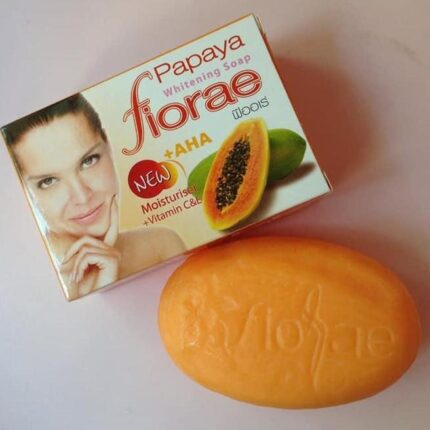
For example, Fiorae Papaya Soap from MoreShopBD contains papain and beta-carotene but is also formulated with moisturizing agents like glycerin to mitigate dryness. However, if you have known allergies or sensitive skin, avoid soaps with strong fragrances or harsh preservatives to reduce risk. Knowing the full ingredient list is essential before purchasing, especially online in Bangladesh where counterfeit or low-quality products are common.
Recommended Products
৳ 350.00
 Sale
Original price was: ৳ 3,460.00.৳ 2,420.00Current price is: ৳ 2,420.00.
 Sale
Original price was: ৳ 220.00.৳ 190.00Current price is: ৳ 190.00.
How does papaya soap cause skin irritation and allergic reactions?
Papaya soap can cause skin irritation by disrupting the skin’s protective barrier via enzymatic exfoliation and chemical additives irritating the skin’s surface.
The papain enzyme in papaya soap breaks down dead skin cells but can also affect the living skin layers if concentration is too high or used excessively. This enzymatic action may lead to redness, stinging, or inflammation. Allergic reactions may arise if you are sensitive to papaya proteins or other ingredients like fragrances or preservatives, resulting in itching, swelling, or rash.
Dry skin or skin with eczema is more vulnerable to such effects. To prevent this, limit usage frequency and avoid applying on broken or inflamed skin. According to dermatology sources, enzymatic soaps require cautious use, especially where humidity and pollution (as in Bangladesh) can heighten skin sensitivity. Performing a patch test can confirm your skin’s tolerance before broader application. For guidance on using papaya soap safely on delicate facial or sensitive skin, see this detailed guide on papaya soap use.
Is papaya soap drying for the skin?
Yes, papaya soap can cause dryness by removing natural oils and affecting skin hydration, especially when used daily or on dry skin types.
Papain enzyme exfoliates not only dead cells but also natural oils which maintain skin moisture, resulting in potential dryness and flakiness. In climates like Bangladesh where humidity fluctuates seasonally, frequent use without moisturizing afterward can worsen this effect. Some papaya soaps add hydrating ingredients such as glycerin or aloe vera to counteract dryness, but not all brands do.
If your skin feels tight or flaky after use, reduce frequency, switch to moisturizers, or consider formulations with added humectants. Dryness is a common concern that users often overlook when focusing only on whitening benefits, so integrating a suitable skin care routine like a recommended nighttime skincare routine for dull skin can help maintain balance.
Who is most at risk of negative side effects from papaya soap?
People with sensitive skin, allergies, eczema, or acne-prone skin are at higher risk for irritation or allergic reactions from papaya soap.
If you have reactive skin or conditions like eczema, the enzymatic exfoliation and added chemicals in papaya soap can worsen symptoms, causing redness or swelling. Acne-prone individuals should be cautious since papain may irritate active blemishes by overstimulating the skin. Patch testing becomes essential for these groups to avoid adverse effects. Acne-prone individuals interested in papaya soaps should also read about papaya soap’s benefits for acne and skin blemishes before use.
Conversely, those with normal to oily skin can often tolerate papaya soap better but must monitor for dryness or irritation, especially in seasonal changes. Knowing your skin type precisely, such as through a professional dermatological test or credible skin type resources, allows safer selection and usage of skin-brightening products found on MoreShopBD.
How can you safely test if papaya soap suits your skin?
The best method to avoid unexpected side effects is a simple patch test applying soap lather to a small skin area and observing any reaction over 24 to 48 hours.
Apply a small amount behind your ear or on your inner arm, rinse after a few minutes, and monitor for itching, redness, swelling or burning sensation. If none appear, it’s likely safe for regular use. In case of adverse events, discontinue use immediately. This test is especially important if you have never used enzyme-based soaps before or have sensitive skin conditions.
Performing a patch test prevents costly mistakes and potential skin damage, supporting informed buying decisions when you shop online in Bangladesh, where access to product samples or professional guidance might be limited.
What are common mistakes users make with papaya soap that increase side effects?
Applying papaya soap excessively, not moisturizing afterward, and ignoring initial irritation signs are common errors leading to side effects.
Using papaya soap twice daily or more can over-exfoliate and strip oils, resulting in dryness, irritation, or sensitivity. Many users neglect moisturizing steps or skip patch testing, risking allergic responses. Additionally, combining papaya soap with other exfoliating agents or harsh products may amplify skin damage.
To avoid these pitfalls, start with 2-3 times weekly use, follow with a gentle moisturizer suitable for your skin type, and introduce new products gradually. Understanding product differences, such as those between body soap and body wash, can help tailor your routine to Bangladesh’s humid climate.
Decision framework: Should you choose papaya soap for your skin type and skincare goals?
Choosing papaya soap depends on weighing benefits like gentle exfoliation and skin brightening against risks like irritation or dryness according to your unique skin profile.
First, assess your skin type: if sensitive, dry, or eczema-prone, papaya soap may cause problems unless it contains added moisturizers and you perform patch testing. For oily or normal skin, papaya soap can be a useful exfoliant if limited to 2-3 times a week to prevent over-drying.
Second, consider your skincare goals: papaya soap is more suitable if you want mild exfoliation and brightness but not recommended if you prioritize hydration or have active skin conditions. Third, evaluate product quality, choose genuine products from reputable sellers such as MoreShopBD to avoid harmful additives.
This practical framework helps you decide if papaya soap fits your routine without guessing, ensuring safer skincare purchase decisions in Bangladesh’s market.
Which one fits you? Reader profiles and recommendations for papaya soap use
- Beginner: Test patch sensitivity first, start with 2-3 applications weekly, and purchase trusted brands like Fiorae Papaya Soap from MoreShopBD for quality assurance.
- Tight budget: Opt for affordable glycerin-enriched papaya soaps that offer hydration to counteract dryness while providing brightening effects.
- Acne-prone skin: Avoid frequent use; limit to occasional application and follow a dermatologist-approved acne skincare routine to prevent flare-ups.
- Sensitive skin: Prefer fragrance-free, paraben-free papaya soaps and always conduct patch tests before full application to minimize allergic risks.
What should you avoid combining with papaya soap?
You should avoid using papaya soap alongside other harsh exfoliants, retinoids, or strong chemical peels to reduce skin barrier damage and irritation.
Combining multiple exfoliating products can over-strip your skin, causing dryness, redness, or dermatitis. Using papaya soap with retinoid creams or vitamin C serums without professional guidance can also increase photosensitivity or irritation. To prevent side effects, alternate days or consult an online skincare guide to build a balanced regimen that suits your skin type.
What happens if you stop using papaya soap after long-term use?
Stopping papaya soap usually leads to the gradual return of your skin’s natural exfoliation rate and pigmentation, without long-lasting adverse effects if you used it safely.
You may notice a temporary adjustment period where your skin sheds fewer dead cells, possibly causing dullness until your natural skin cycle normalizes. If you experienced dryness or irritation, discontinuing can let your skin barrier recover. However, if combined with other skincare products like Esapharma Lemonvate Cream, understanding their individual effects on skin brightness is key to ongoing results.
How does papaya soap compare to other skin brightening or exfoliating products?
Papaya soap offers gentle enzymatic exfoliation unlike harsh chemical peels but may be less effective or slower acting compared to products with kojic acid or glycolic acid.
Unlike synthetic agents, papaya soap’s natural papain enzyme exfoliates without strong chemical irritation in most cases. Compared with other whitening soaps like Fiorae Whitening Soap, papaya soap often has fewer whitening chemicals but more natural antioxidants like beta-carotene. Consumer preference and skin tolerances vary, so reading ingredient profiles helps decide which product aligns best with your needs.
| Product | Price Range (BDT) | Best For | Key Strengths | Main Limits |
|---|---|---|---|---|
| Fiorae Papaya Soap | 150-250 BDT | Normal to combination skin | Natural papain enzyme, brightening, moisturizing agents | May irritate sensitive skin, fragrance components |
| Fiorae Whitening Soap | 200-300 BDT | People seeking strong whitening effects | Contains kojic acid, skin lighteners | Higher risk of irritation, not ideal for sensitive skin |
| Paraben-Free Papaya Soap | 100-220 BDT | Sensitive and allergy-prone skin | Minimal preservatives, gentle on skin | May have weaker whitening effect |
Practical checklist for safe papaya soap use
- Check ingredient list for papain concentration and additives.
- Perform a patch test 24-48 hours before use.
- Limit initial use to 2-3 times per week.
- Use moisturizer after washing to combat dryness.
- Avoid applying on broken or inflamed skin.
- Discontinue if irritation or allergy symptoms arise.
- Buy from trusted online shops like MoreShopBD to ensure product authenticity.
Common mistakes that increase papaya soap side effects
- Using it daily without moisturizing leads to dryness and irritation.
- Neglecting patch testing causes unexpected allergic reactions.
- Ignoring skin type, sensitive or eczema-prone skin exposed without care.
- Combining with other exfoliants or active skincare ingredients.
- Purchasing counterfeit or low-quality products online.
FAQ about Papaya Soap Side Effects
- What are the common side effects of papaya soap?
Common side effects include skin irritation, redness, dryness, and allergic reactions, especially for sensitive skin types or those allergic to papaya enzymes. - Is papaya soap safe for sensitive skin?
Papaya soap can cause irritation or allergic reactions on sensitive skin due to its enzymatic content, so patch testing is recommended before full application. - Can papaya soap cause skin dryness?
Yes, papaya soap may cause dryness because it exfoliates dead skin cells and can strip natural oils, particularly with frequent use or in dry climates like Bangladesh. - Should I avoid papaya soap if I have acne-prone skin?
People with acne-prone skin should use papaya soap cautiously as it may irritate active acne or sensitive areas, but it can also help with skin brightening if used moderately. - How do I perform a patch test for papaya soap?
Apply a small amount of the soap lather on a patch of skin, such as behind the ear, and wait 24-48 hours to check for redness, itching, or swelling before using regularly.
For broader insights on the skin brightening potential and ingredients of papaya soap, you can visit the detailed guide on Does Papaya Soap Really Brighten Skin? Fiorae Papaya Soap Ingredients Explained.
In Bangladesh, where online shopping is growing rapidly, buying genuine papaya soap from reliable platforms like MoreShopBD is crucial to avoid side effects caused by counterfeit goods. Choose products matching your skin type and follow safe usage recommendations to enjoy the benefits with minimal risks.
Also consider skincare products complementary to papaya soap for better skin health, such as those guiding safe application of brightening creams like Esapharma Lemonvate Cream uses and safety guide or nighttime routines specifically for dull and dry skin (Nighttime Skincare Routine for Dull Skin: Simple Steps).