
Does Papaya Soap Really Brighten Skin? Fiorae Papaya Soap Ingredients Explained

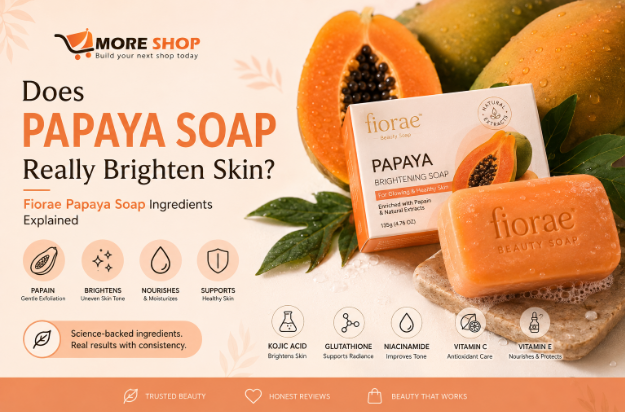
If you’ve looked around a pharmacy or beauty shop in Bangladesh, you’ve probably seen papaya soap more than once. Many of these soaps promise brighter, smoother-looking skin in just a few days. They often sit next to other popular options such as carrot soap and kojic acid bars.
But does papaya really make your skin brighter, or is it mainly a marketing claim?
The answer isn’t quite as simple as yes or no. Papaya does contain an enzyme called papain that can help remove dead skin cells. But how much benefit you actually get from a papaya soap depends on the formula and how the soap is made.
We looked at what papain does and what appears on Fiorae Papaya Soap labels to understand where the brightening claims come from.
The Quick Answer
Papaya contains an enzyme called papain, which can help remove dead skin cells from the surface of the skin. This can make skin look smoother and brighter over time.
The catch is that papain is not a very stable ingredient. It can lose its activity when exposed to high heat, and traditional bar soap has a high pH. Both can make it difficult for papain to stay active in the finished soap.
So, don’t assume that a soap will brighten your skin simply because it says “papaya” on the front.
With Fiorae Papaya Soap, the other ingredients matter too. Depending on the specific formula, ingredients such as kojic acid, glutathione, vitamin C, or niacinamide may contribute more to the brightening effect than the papaya itself.
Recommended Products
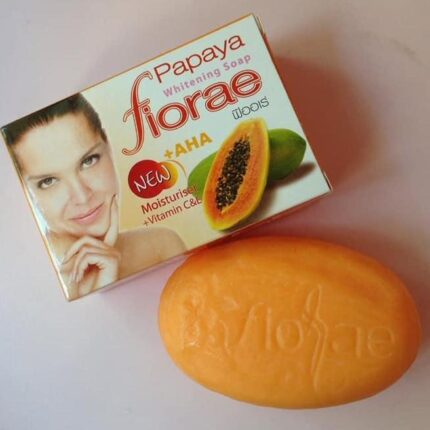
৳ 350.00
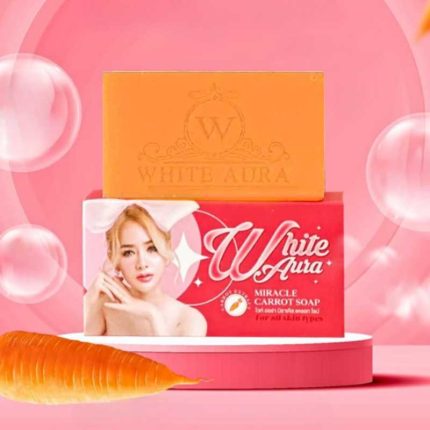
 Sale
SaleOriginal price was: ৳ 1,350.00.৳ 1,250.00Current price is: ৳ 1,250.00.
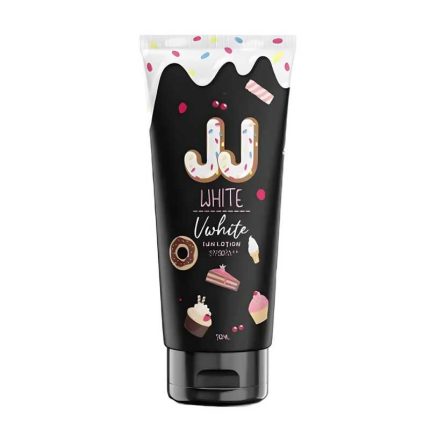
 Sale
SaleOriginal price was: ৳ 2,300.00.৳ 1,610.00Current price is: ৳ 1,610.00.
What Does Papain Actually Do?
Papain is an enzyme naturally found in papaya. One of its jobs is to break down proteins.
In skincare, this matters because dead skin cells on the surface are held together by proteins. Papain can help loosen those cells so they shed more easily.
That gives papaya its reputation as a natural exfoliating ingredient. It isn’t simply an old skincare myth.
Papaya-based skincare has been used in different parts of South and Southeast Asia for a long time, partly because of this exfoliating effect.
But there’s an important detail: papain works best under certain conditions. The ingredient is generally more comfortable around a pH of about 5 to 7, which is much closer to the skin’s natural pH.
Papain is also sensitive to heat. At temperatures above roughly 60°C, it can lose much of its activity.
And that’s where things get a little more complicated when papain is added to a bar of soap.
Why Soap-Making Can Affect Papain
Traditional bar soap is made through a process called saponification. Oils or fats are mixed with an alkaline ingredient to create soap. The process can involve heat, and the finished soap normally has a much higher pH than your skin.
That isn’t an ideal environment for a delicate enzyme such as papain.
So, seeing “papaya” on a soap label doesn’t necessarily mean you’re getting the same exfoliating effect you would expect from a fresh papaya enzyme treatment or a properly formulated papain skincare product.
It doesn’t mean papaya soap is useless, either.
The important question is how the papain or papaya extract was added to the formula and whether enough of its activity remains after production. If the ingredient is exposed to harsh conditions during soap-making, some of its original activity may be lost.
This is one reason it’s better not to judge a brightening soap by the fruit shown on the packaging alone.
Look at the full ingredient list instead. If the formula contains other well-known brightening ingredients, they may be playing a much bigger role in how the product works on the skin.
So What Is Actually Making the Skin Look Brighter?
This is where the ingredient list becomes more useful than the picture on the front of the box.
Papaya may get most of the attention, but it isn’t necessarily the only ingredient responsible for a brighter-looking complexion. In products like Fiorae Papaya Soap, other ingredients may also play a role in how the skin looks and feels.
The exact formula can vary, so always check the ingredient list on your own pack. If the soap contains ingredients such as kojic acid, glutathione, niacinamide, vitamin C, or vitamin E, each one brings something different to the formula.
- Kojic acid: Often used in skincare to help reduce the appearance of excess pigmentation by affecting melanin production.
- Glutathione: An antioxidant commonly used in brightening products. However, because soap is rinsed off quickly, you shouldn’t expect the same results as you would from a leave-on product.
- Niacinamide: Helps support the skin barrier and can improve the look of uneven skin tone when used regularly.
- Vitamin C: An antioxidant that can help support brighter, more even-looking skin.
- Vitamin E: Helps provide antioxidant support and is often included in skincare formulas designed to support the skin’s moisture barrier.
- Papaya extract: Adds the papaya-derived ingredient to the formula and may provide some mild exfoliating benefits.
So, if Fiorae’s formula contains several of these ingredients, it makes more sense to look at the soap as a combination formula rather than assuming papaya is doing everything on its own.
And there’s an important point here: because this is a rinse-off product, the amount of time these ingredients stay on your skin is limited. That’s why it’s better to have realistic expectations rather than treating a soap like a brightening serum.
Always check the ingredients on your specific Fiorae Papaya Soap pack, as formulas can differ between products or variants.
What Results Can You Actually Expect?
Don’t expect a papaya soap to completely change your skin in a few days.
A soap may help remove some dead skin cells and make the skin look cleaner and fresher. If the formula also contains brightening ingredients, regular use may help improve the appearance of dull or uneven-looking skin over time.
But the result is usually gradual.
Your everyday routine matters just as much as the soap. If you’re trying to improve uneven tone or dark marks, using sunscreen during the day is important because regular sun exposure can make pigmentation more noticeable.
It’s also worth giving your skin some time. Using a product for a few days and expecting a dramatic change isn’t realistic. If your skin responds well, consistent use over several weeks gives you a much better idea of whether the product is actually helping.
Who Should Be Careful With Papaya Soap?
Papaya soap may not be the best choice for everyone, especially if your skin is easily irritated.
If you have sensitive or reactive skin, using a soap that contains papain together with ingredients such as kojic acid may cause dryness, redness, or irritation. Start slowly rather than using it several times a day.
A simple patch test is also a good idea. Try a small amount on an area such as the inner arm and see how your skin reacts before using it more widely.
If you’re already using other active skincare products, such as retinol, AHAs, or a separate brightening treatment, be careful about adding another exfoliating or active product to your routine. Using too many actives at once can leave your skin dry and irritated.
If you’re pregnant or breastfeeding and the product contains stronger active ingredients, it’s sensible to check with your healthcare professional before making it part of your regular skincare routine.
Stop using the soap if you develop significant burning, swelling, or persistent irritation.
Papaya Soap vs Other Brightening Soaps
| Soap Type | Main Ingredients | May Suit | What to Expect |
| Papaya Soap (Fiorae) | Papaya extract + other brightening ingredients, depending on the formula | Dull or uneven-looking skin | Mild exfoliation and gradual improvement in appearance |
| Carrot Soap | Carrot-derived ingredients and other formula ingredients | Dull-looking skin | Mostly a general cleansing and skincare option; results depend on the full formula |
| Kojic Acid Soap | Kojic acid | People looking to target the appearance of pigmentation | Can provide a stronger brightening effect but may also feel drying or irritating |
| Spot-Removal Soap | Varies by brand; may contain kojic acid, niacinamide, or other actives | Dark-looking spots or uneven tone | Results depend heavily on the ingredients and how regularly the product is used |
Don’t choose a brightening soap based only on the word “papaya,” “kojic,” or “whitening” on the package. Check the ingredients, consider your skin type, and pay attention to how your skin reacts after using it.
How to Use Papaya Soap for Better Results
Start by wetting your skin with water. Instead of rubbing the bar directly over your face, work it into a lather between your hands and gently apply the foam to your skin.
There’s no need to scrub hard. Massage it lightly for around a minute, then rinse well with clean water.
For most people, once a day is enough. If your skin is oily and handles the soap well, you may be able to use it twice a day. But if your skin starts feeling dry, tight, or irritated, use it less often, such as every other day.
After showering or washing your face, apply a moisturiser to help keep your skin comfortable. And if you’re using a brightening product, don’t skip sunscreen during the day. Sun exposure can make uneven pigmentation more noticeable and work against the results you’re trying to achieve.
Conclusion
Papaya soap isn’t a miracle product, but that doesn’t mean it has no value.
Papain is a real enzyme found in papaya and can provide gentle exfoliating benefits. However, the overall formula matters much more than the word “papaya” printed on the packaging. If a Fiorae soap contains ingredients such as kojic acid, niacinamide, glutathione, or vitamins C and E, those ingredients may also contribute to the product’s brightening claims.
The best way to judge the soap is to look at the complete ingredient list, use it consistently, and see how your own skin responds.