
How to Differentiate Fungal Acne from Regular Acne at Home


· By Ariful Islam
Quick answer: You can tell if you have fungal acne by spotting clusters of small, itchy, uniform red or pink bumps that often appear on the forehead, chest, or back. Unlike regular acne, fungal acne tends to be itchy, smaller (1-2 mm), and resistant to common acne treatments. Identifying these signs at home helps decide if you need antifungal care or a dermatologist’s consultation. Visit MoreShopBD’s detailed guide on where fungal acne appears most for further insights.
- Fungal acne features uniform, itchy red bumps unlike varied-sized bacterial acne lesions.
- Common locations include the forehead, chest, back, and hairline areas.
- Fungal acne does not improve with typical acne medication but responds to antifungal treatments.
- A simple home check includes observing itchiness, cluster patterns, and response to cleansing.
- Recognizing fungal acne prevents worsening through incorrect skincare and guides product choices in Bangladesh.
What is fungal acne and how does it differ from regular acne?
Fungal acne, medically called Malassezia folliculitis or Pityrosporum folliculitis, is a skin condition caused by yeast overgrowth in hair follicles, unlike regular acne caused mostly by bacteria and oil clogging pores.
It differs by typically producing small, uniform red or pink bumps that are itchy and clustered. Bacterial acne lesions vary in size, may include painful pustules or cysts, and usually are not itchy. Fungal acne’s root cause is a yeast rather than bacterial infection, making treatment approaches distinct. The difference affects your skincare choices and the need for antifungal products.
Recommended Products
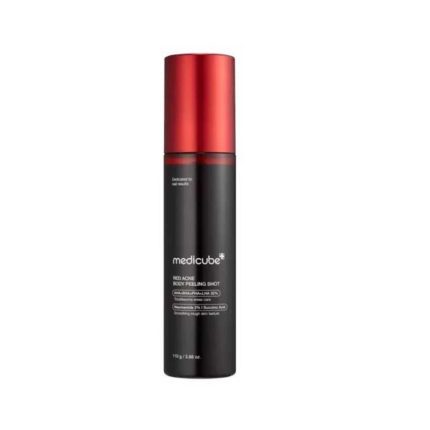 Sale
Original price was: ৳ 2,880.00.৳ 1,999.00Current price is: ৳ 1,999.00.
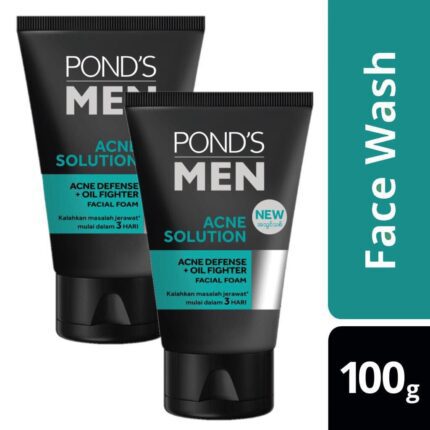 Sale
Original price was: ৳ 750.00.৳ 550.00Current price is: ৳ 550.00.
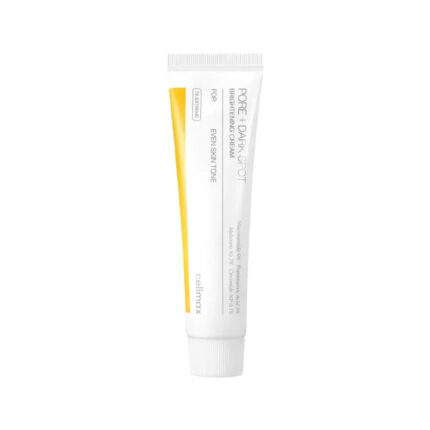 Sale
Original price was: ৳ 1,790.00.৳ 1,590.00Current price is: ৳ 1,590.00.
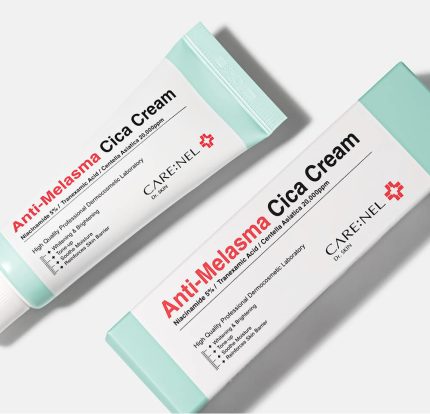 Sale
Original price was: ৳ 1,450.00.৳ 1,150.00Current price is: ৳ 1,150.00.
What visual symptoms help identify fungal acne at home?
Fungal acne looks like clusters of small red or pink pimples, usually between 1 to 2 millimeters wide, often uniform in size. They might have a subtle red ring around them and show slight burning or itching sensations.
Unlike regular acne, fungal acne bumps do not develop into large cysts and most appear on the forehead, upper back, and chest area. These spots may appear suddenly, spread in patches, and fail to respond to common acne wash or creams.
How can I check if my acne is fungal using simple self-tests?
A practical home check involves monitoring how your acne reacts to different skincare routines. If your pimples itch and worsen with sweating or oily skincare products, and improve with antifungal cleansers like ketoconazole washes, fungal acne is likely.
Another quick method is checking for uniformity and persistence despite regular acne treatments. Using gentle facial cleansers such as the Simple Daily Skin Detox Purifying Gel Face Wash from MoreShopBD can help you distinguish a fungal cause, as fungal acne improves with antifungal-friendly cleansers but not antibiotics or benzoyl peroxide.
Where on the body does fungal acne most commonly appear?
Fungal acne most commonly shows up on the forehead, chest, upper back, and sometimes around the hairline. These areas have more sebaceous glands that produce oils feeding the Malassezia yeast.
Climatic conditions in Bangladesh, such as heat and humidity, increase sweat and oil production, making these areas more vulnerable. Regular observation of these zones helps early identification and treatment.
What skincare mistakes make fungal acne worse?
Mistakes like using oily moisturizers, heavy creams, or standard acne antibiotics without antifungal properties can worsen fungal acne. Over-washing or scrubbing aggressively disrupts the skin barrier, encouraging yeast overgrowth.
Another common error is confusing fungal acne with bacterial acne, leading to ineffective treatment choices. Using products not formulated to address fungal infections, such as non-antifungal cleansers, also prolongs persistence.
Learn more on everyday skincare mistakes that can damage your skin or worsen acne in Bangladesh by checking high-quality local resources like the article on common mistakes when washing your face.
How do fungal acne symptoms compare to those of other skin conditions?
Fungal acne is sometimes confused with bacterial acne, eczema, rosacea, or simple irritation. Unlike eczema and rosacea, fungal acne usually does not cause extensive redness or scaling, but small bumps that are itchy and clustered.
It is also distinct from regular acne’s inflammation and pus formation. Knowing these differences helps avoid misdiagnosis. For more on skin condition comparisons, see the guide sensitive skin, eczema, and rosacea differences.
A decision framework to distinguish fungal acne from bacterial acne quickly
To efficiently decide if your acne might be fungal or bacterial, consider these three key criteria at home:
- Itchiness and uniformity: Are the bumps itchy and of similar size, often in clusters? This suggests fungal acne.
- Response to treatment: Did your breakouts not improve or worsen with typical acne antibiotics or benzoyl peroxide? Fungal acne often resists these but improves with antifungal washes.
- Location and triggers: Are the spots mainly on sweaty areas like the forehead or back, and flare after sweating or using oily products? This points toward fungal acne.
Using this simple triage helps avoid common treatment mistakes and select appropriate products from MoreShopBD’s facial cleansers or antifungal items. Avoid guesswork on products that only treat bacterial acne.
For persistent or uncertain cases, a dermatologist’s diagnosis is recommended to confirm and prescribe targeted medications.
Which type of skin or lifestyle suits fungal acne? Which products fit you?
- Beginners: Choose gentle antifungal cleansers like Simple Daily Skin Detox Purifying Gel Face Wash because they are easy to use, affordable, and safe for first-timers.
- Hot and humid climate residents: Use lightweight, non-comedogenic antifungal products since these conditions promote fungal growth and oil buildup.
- Budget-conscious shoppers: Pick multi-purpose cleansers that target fungal acne as well as routine skin detox, saving cost and reducing product clutter.
- Experienced skincare enthusiasts: Consider adding topical antifungal creams and adapting routines based on flare-ups, focusing on ingredients like ketoconazole or selenium sulfide.
Who should NOT use typical acne treatments for fungal acne?
If your acne is itchy, clustered, and fails to clear with traditional acne antibiotics, avoid continuing these medications as they may disrupt skin flora further. Also, avoid oily creams or cosmetic products that feed yeast growth.
People with fungal acne need antifungal approaches; otherwise, treatments could worsen the condition. Always verify product suitability, especially in hot or humid Bangladeshi climates.
Example: Identifying fungal acne for different Bangladeshi skin types
- Example 1 (Young adult male in Dhaka): Pimples on the forehead appear after sweating during summer, itchy and clustered. Using simple antifungal face wash from MoreShopBD daily reduced bumps in 2 weeks.
- Example 2 (Woman with oily skin): Acne on chest persistent despite antibiotic creams but showed intense itching. Switching to antifungal shampoo-based cleanser improved condition.
What are the best antifungal ingredients to look for in skincare products?
Ketoconazole, selenium sulfide, zinc pyrithione, and sulfur are common ingredients effective against Malassezia yeast that causes fungal acne.
Products containing these ingredients help reduce fungal growth without irritating the skin. MoreShopBD offers cleansers and treatments with these active agents suitable for fungal acne-prone skin.
Is it possible to have both fungal and regular acne at the same time?
Yes, some people may experience both fungal and bacterial acne simultaneously, which complicates treatment. In such cases, combining antifungal and antibacterial skincare under professional guidance is important.
This situation requires careful observation of symptom patterns and responses to multiple treatments, often involving dermatologist consultation.
Can changing your detergent or clothes affect fungal acne?
Yes, washing clothes or bed linens with harsh detergents or incomplete rinsing can irritate the skin and promote fungal growth. Wearing tight or non-breathable clothing traps sweat, increasing fungal acne risk.
Using mild detergents and breathable fabrics is recommended to support fungal acne management, especially in Bangladesh’s humid environment.
How do fungal acne treatments differ in cost and availability in Bangladesh?
Antifungal cleansers and topical creams available in Bangladesh range from affordable generic ketoconazole washes to branded formulations. Prices vary: a 150 ml antifungal cleanser may cost around 300-700 BDT depending on brand and ingredients.
MoreShopBD provides a variety of these products at competitive online prices, offering convenient access to both budget and premium options for fungal acne care.
| Product/Option | Price Range (BDT) | Best For | Key Strengths | Main Limits |
|---|---|---|---|---|
| Ketoconazole Antifungal Cleanser | 300-700 | Fungal acne beginners | Effective antifungal action, widely available | May cause dryness if overused |
| Selenium Sulfide Shampoo (off-label use) | 200-500 | Scalp and body fungal acne | Strong antifungal, reduces yeast | Unsuitable for facial skin irritation |
| Sulfur-based Topical Creams | 400-800 | Combination fungal and bacterial acne | Dual action, reduces inflammation | Smell and potential irritation |
| Simple Daily Skin Detox Purifying Gel Face Wash | 400-600 | Daily gentle cleansing | Shine-free, suitable for sensitive skin | Mild antifungal effect only |
Checklist: How to know if you have fungal acne at home
- Are the pimples small, uniform, and clustered, typically 1-2 mm in size?
- Do the bumps itch or cause a burning sensation?
- Are the pimples located mainly on the forehead, chest, or upper back?
- Do your breakouts worsen after sweating or use of oily skincare products?
- Have typical acne treatments like antibiotics or benzoyl peroxide been ineffective?
- Does antifungal cleansing improve the condition?
Common mistakes when identifying fungal acne at home
- Assuming all acne is bacterial and using only antibiotics.
- Ignoring itchiness and uniform bump patterns.
- Continuing to use oily or heavy moisturizers that worsen yeast growth.
- Not observing body areas like the back or chest where fungal acne commonly appears.
- Not giving sufficient time to antifungal treatment before switching products.
FAQ
How can I tell if my acne is fungal or bacterial?
Fungal acne usually consists of small, uniform red bumps that are itchy and grouped closely, often on the forehead, chest, and back. Bacterial acne varies more in size, can be painful and pus-filled, and usually is not itchy.
Can fungal acne appear on the face only?
Yes, fungal acne often appears on the face, especially the forehead and hairline, but commonly affects the chest and back as well due to oily, sweaty skin in these areas.
Is fungal acne contagious?
Fungal acne is caused by an overgrowth of yeast called Malassezia on the skin. It is not typically contagious but can worsen with sweat, humidity, or damage to the skin barrier.
How do I treat fungal acne at home?
Use antifungal cleansers containing ketoconazole or selenium sulfide, avoid oily skincare, keep skin clean and dry, and apply topical antifungal creams if necessary. Avoid typical antibiotic acne treatments that do not target fungi.
When should I see a dermatologist for fungal acne?
If your acne does not improve with over-the-counter antifungal treatment, worsens with itching or spreads, or you are uncertain about the diagnosis, consult a dermatologist for accurate testing and prescription treatment.
For ongoing information on selecting products for fungal acne, explore MoreShopBD’s extensive beauty tips to support your skin health journey.