
Common Mistakes to Avoid When Using Homemade Face Packs to Remove Tan and Pigmentation


· By Ariful Islam
Quick answer: The most common mistakes using homemade face packs for tan removal include overusing harsh ingredients without a patch test, leaving the pack on too long, skipping essential post-care like sunscreen, expecting immediate results, and applying packs too frequently which can irritate or damage your skin. Avoid these errors to maximize benefits and maintain healthy skin while treating tan and pigmentation naturally.
- Patch test all ingredients to avoid allergic reactions or irritation.
- Limit face pack application to 10-15 minutes and no more than 3 times per week.
- Always follow up with sunscreen to protect treated skin from UV damage.
- Be patient; natural remedies take time to show visible effects.
- Use products suited to your skin type to avoid worsening pigmentation or dryness.
Why is it important to patch test ingredients before using a homemade face pack?
Patch testing is essential because natural ingredients like lemon juice, turmeric, or manjishtha can cause allergic reactions or irritation in some individuals. Applying a small amount on your inner arm and waiting 24 hours helps ensure the pack won’t harm your skin.
Skipping this step risks rashes, redness, or worsened pigmentation. If you experience any irritation, avoid that ingredient. This simple precaution helps prevent skin damage and improves your experience using natural tan removal packs.
For sensitive skin, this test is especially critical, and you might prefer milder ingredients like curd or honey. You can find various gentle options reviewed on MoreShopBD’s top 5 face packs for tan and pigmentation.
Recommended Products
 Sale
Original price was: ৳ 450.00.৳ 420.00Current price is: ৳ 420.00.
 Sale
Original price was: ৳ 850.00.৳ 650.00Current price is: ৳ 650.00.
 Sale
Original price was: ৳ 550.00.৳ 350.00Current price is: ৳ 350.00.
 Sale
Original price was: ৳ 510.00.৳ 470.00Current price is: ৳ 470.00.
How long should you leave homemade face packs on your skin for effective tan removal?
Typically, homemade face packs for tan removal should be left on for 10 to 15 minutes. Leaving them on longer might dry out your skin or cause irritation, especially if ingredients like lemon or raw turmeric are involved.
The right timing depends on your skin type: oily skin can sometimes tolerate slightly longer, but dry or sensitive skin benefits from shorter application to avoid sensitivity. Always rinse off gently with lukewarm water afterward and moisturize.
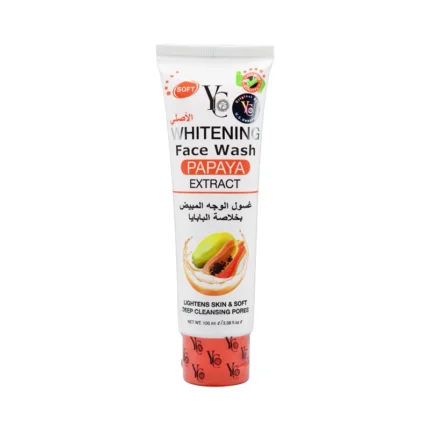
Using a toner or a gentle cleanser beforehand, such as YC Face Wash Milk Extract 100ml, can prepare your skin and enhance the face pack’s effectiveness.
Why should you avoid applying homemade face packs every day?
Applying homemade face packs daily often leads to over-exfoliation and weakens your skin barrier, increasing dryness, redness or even inflammation. Natural exfoliating agents like papaya enzymes and acids must be used sparingly.
Most homemade remedies recommend using face packs 2 to 3 times a week to allow the skin to regenerate and prevent damage. Consistent but moderate use balances tan removal with skin health preservation. Overuse can cause peeling or uneven pigmentation instead of improvement.
Adjust the frequency based on your skin’s response, and consider including a mild facial cleanser from MoreShopBD’s facial cleansers category to avoid product buildup between sessions.
What happens if you skip applying sunscreen after using natural tan removal face packs?
After tan removal treatments, your skin becomes more vulnerable to UV rays, making sunscreen a necessity. Skipping it can lead to renewed tanning, pigmentation worsening, and increased sensitivity.
Many people using homemade packs mistakenly think natural ingredients alone suffice, but sun protection products with effective filters (SPF 30 or above) remain crucial. Without sunscreen, the benefits of the face pack are quickly lost.
For guidance on choosing the right sunscreen with natural and effective ingredients, visit MoreShopBD’s article on best natural sunscreen ingredients to prevent tan and pigmentation.
How does expecting instant results affect your tan removal process?
Natural tan removal face packs work gradually by gently exfoliating and lightening pigmentation. Expecting immediate or dramatic changes leads to frustration and sometimes improper overuse of products, which damage your skin.
Consistent application over several weeks, combined with proper sun protection and moisturization, produces visible improvements. Patience plus a good routine is key to safe and effective tan correction. To safely improve pigmentation, consider how seasonal variations affect your skin and adjust your face pack routine accordingly, as explained in this detailed article.
For a well-structured approach, check the main guide on effective face packs for tan and pigmentation.
Which homemade ingredients are commonly mistaken for safe but may cause skin problems?
Popular DIY ingredients like lemon juice, raw turmeric, or baking soda are often assumed safe but can cause irritation, contact dermatitis, or worsen pigmentation if misused. Lemon juice’s acidity may burn sensitive skin; turmeric may stain or trigger allergies.
Avoid using baking soda on the face as it disrupts natural pH balance. Instead, prefer soothing ingredients like curd, honey, or manjishtha powder which are gentler and effective when used correctly.
Refer to MoreShopBD’s article on red sandalwood face packs for safer alternatives that brighten skin without harsh effects.
How to decide the best homemade tan removal face pack based on your skin type and conditions?
Selecting the right homemade face pack depends on your skin’s sensitivity, hydration level, and pigmentation severity. For oily skin, masks with manjishtha or turmeric and lemon in a diluted form work well to reduce excess oil and tan. Dry skin benefits from curd and honey mixtures that nourish while lightening.
For sensitive skin, choose non-acidic, moisturizing packs like curd with sandalwood powder to avoid irritation. Combination skin can alternate between gentle exfoliating and hydrating packs 2-3 times a week.
Each skin type has trade-offs: acid-based masks may offer faster results but increase sensitivity, while gentle hydrating masks take longer but maintain skin’s protective barrier. Weigh your urgency versus skin tolerance before choosing.
Example: A budget-conscious young adult with oily skin should try manjishtha and honey packs twice weekly, whereas a sensitive skin person with pigmentation should use curd-honey-sandalwood packs and patch test carefully first.
What are frequent preparation errors that reduce the efficacy of homemade face packs?
Common mistakes include incorrect ingredient ratios, using expired or impure ingredients, and improper mixing techniques. For example, too much lemon juice increases irritation risk, while insufficient honey reduces moisture retention.
Using water instead of fresh curd or adding raw sugar as a scrub without dissolving damages skin. Storing mixed packs for days also reduces potency and increases contamination risk.
Follow specific, trusted recipes such as those listed on MoreShopBD’s effective face packs for tan removal guide to avoid these pitfalls.
How does skin cleansing before applying a homemade face pack affect tan removal outcomes?
Properly cleansing your face removes dirt, oil, and impurities, allowing the ingredients in homemade packs to penetrate better and work more effectively on pigmentation and tan. Skipping cleansing traps grime and reduces absorption.
A gentle cleanser like YC Face Wash Milk Extract 100ml prepares the skin’s surface without stripping natural oils. Avoid harsh soaps that can dry and sensitize your skin before applying natural packs.
This step optimizes the face pack’s benefits and reduces risk of breakouts or irritation, making it an important part of your tan removal routine.
Which homemade face pack ingredients should you avoid mixing together?
Avoid combining acidic ingredients like lemon juice with baking soda, as this neutralizes their effects and can irritate your skin. Also, mixing turmeric with raw citrus can intensify staining and cause sensitivity.
Ingredients that harden quickly, like milk powder with lemon, should be applied immediately to prevent uneven texture and ineffective application. Mixing incompatible ingredients lowers potency and can harm your skin barrier.
Stick to proven combinations like curd and honey, or manjishtha and turmeric, to maximize benefits safely.
What are the risks of leaving homemade face packs on past the recommended time?
Leaving face packs longer than recommended often leads to excessive drying, irritation, redness, and sometimes peeling, especially with citrus or enzyme-based masks. This weakens your skin’s natural defense and can worsen pigmentation.
If you experience burning or stinging, immediately rinse off and moisturize. Follow product-specific timing carefully to maintain a balance between exfoliation and skin health.
How do moisturizers complement homemade face packs for tan removal?
Moisturizers restore hydration lost during exfoliation and soothe the skin after removing tan. Using a gentle, non-comedogenic moisturizer post-pack keeps the skin barrier healthy and prevents dryness that may cause pigmentation flare-ups.
Look for products with ingredients like hyaluronic acid, jojoba oil, or shea butter for lasting softness. Combining packs with proper moisturization improves overall skin texture and brightness.
MoreShopBD’s collection of moisturizers offers effective options suited for various skin types available for purchase online in Bangladesh.
Which one fits you? Choosing the right approach to homemade tan removal face packs
- Beginner: Use simple curd-honey packs with strict patch testing and limit use to 2 times per week because your skin may need time to adapt.
- Budget-conscious: Try turmeric and manjishtha mixes from easily sourced ingredients to save costs while maintaining effectiveness.
- Sensitive skin: Avoid acidic or strong exfoliating ingredients; choose calming packs like red sandalwood and curd for minimal irritation risk.
- Experienced user: Rotate between enzyme-based and antioxidant-rich packs combined with serums like vitamin C for enhanced results.
Who should NOT use homemade tan removal face packs?
People with severely sensitive, broken, or eczema-prone skin should avoid harsh homemade face packs as the ingredients might exacerbate inflammation. Also, avoid packs containing citrus or strong acids if you are on retinoids or certain medications without consulting a dermatologist.
If you have active acne or open wounds on your face, applying these packs might worsen your condition. Instead, use gentle, dermatologist-approved treatments.
Common mistakes checklist when using homemade face packs for tan removal
- Not performing a patch test before first use.
- Leaving the face pack on longer than 15 minutes.
- Applying packs daily instead of 2-3 times weekly.
- Skipping sunscreen after treatment.
- Using harsh or incompatible ingredients together.
- Ignoring skin type needs and sensitivity.
- Incorrect ingredient ratios or expired components.
- Applying packs on unclean or oily skin without prior cleansing.
- Failing to moisturize post application.
- Expecting instant results and overusing products.
FAQ
What are common mistakes when using homemade face packs for tan removal?
Common mistakes include using harsh ingredients without patch testing, leaving the pack too long, skipping sunscreen afterward, and expecting immediate results.
How long should I leave a homemade tan removal face pack on?
Most homemade tan removal packs should be left on for 10 to 15 minutes, as leaving them longer can irritate the skin or cause dryness.
Can I apply homemade face packs daily for tan removal?
Applying homemade face packs daily can over-exfoliate and irritate the skin. It is best to use them 2 to 3 times a week depending on your skin type.
Are all homemade face packs safe for sensitive skin?
Not all homemade face packs are safe for sensitive skin. Always perform a patch test first and avoid packs with citrus, strong acids, or harsh scrubs if you have sensitive skin.
Do I still need sunscreen after using a homemade face pack for tan removal?
Yes, using sunscreen daily is essential after applying any tan removal face pack to protect your skin from further sun damage and pigmentation.
For more detailed guidance on natural skincare, visit MoreShopBD’s Beauty Tips blog section.
<<>>