
Common Side Effects of AHA and How to Manage Them


· By Ariful Islam
Quick answer: AHA (Alpha Hydroxy Acid) skincare products often cause side effects like redness, burning, dryness, itching, mild swelling, peeling, and heightened sun sensitivity, especially if overused or incorrectly applied. These effects are usually temporary and manageable by adjusting usage, selecting suitable concentrations for Bangladeshi skin, moisturizing well, and applying sunscreen consistently. Early recognition and proper care help avoid lasting skin issues and ensure safe AHA benefits.
- AHA side effects include redness, burning, dryness, peeling, and sensitivity to sunlight.
- Bangladeshi skin tends to be more reactive due to climate, requiring careful product selection and use.
- Managing side effects focuses on hydration, gradual introduction, and strong sun protection.
- Patch testing and consulting dermatologists help prevent adverse reactions in sensitive skin.
- Stopping or reducing AHA use at signs of over-exfoliation avoids barrier damage.
What are the common side effects of AHA skincare products?
The most frequent side effects of AHA skincare are redness, burning or stinging sensations, dryness, itching, mild swelling, and skin peeling. These occur because AHAs exfoliate the upper skin layers, which can temporarily disrupt the skin barrier and cause irritation. Typical symptoms include a warm or tingling feeling during application and visible flaking over days after use.
In Bangladesh, where humidity and sun exposure are high, these effects might be more noticeable. Users unfamiliar with exfoliation may find these reactions alarming but they usually fade within a week with proper care. If swelling or severe redness persists, it could indicate an allergic reaction or overuse.
Recommended Products
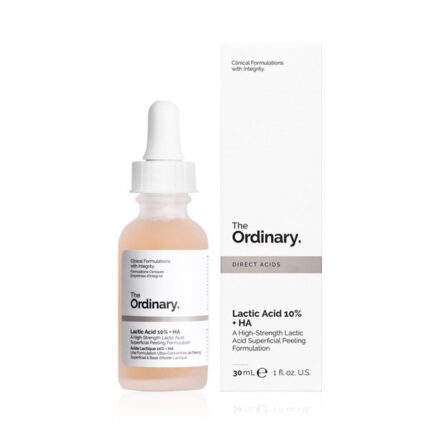 Sale
Original price was: ৳ 2,000.00.৳ 1,490.00Current price is: ৳ 1,490.00.
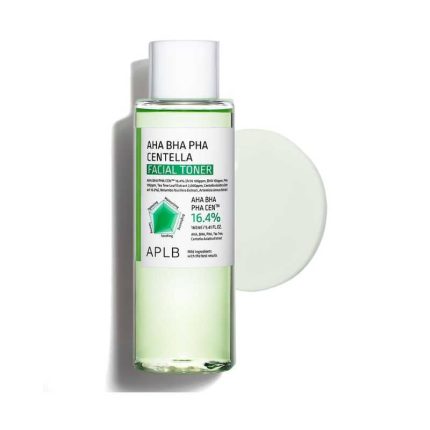 Sale
Original price was: ৳ 1,760.00.৳ 1,232.00Current price is: ৳ 1,232.00.
 Sale
Original price was: ৳ 3,460.00.৳ 2,420.00Current price is: ৳ 2,420.00.
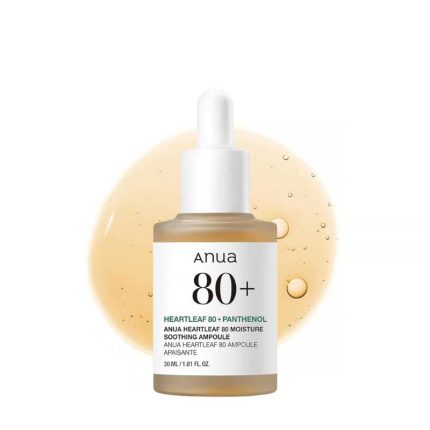 Sale
Original price was: ৳ 2,700.00.৳ 2,290.00Current price is: ৳ 2,290.00.
Why does AHA increase skin’s sensitivity to sunlight?
AHA weakens the outer skin layer temporarily by exfoliating dead cells, which reduces its natural protection against UV rays. Consequently, your skin becomes more vulnerable to sunburn and pigmentation issues. This photosensitivity can last for up to a week after stopping AHA use, making sunscreen an essential protective step.
Bangladeshi sunlight is intense year-round, so neglecting broad-spectrum sunscreen greatly increases the risk of damage. Applying a minimum SPF 30 sunscreen daily is necessary, even on cloudy days or if indoors near windows.
How can you identify early signs of adverse reactions to AHA?
Early warning signs of AHA adverse reactions include persistent redness beyond mild flushing, stinging that worsens instead of fading, swelling localized to the area of application, excessive peeling beyond gentle exfoliation, and intense itching or rash development. Recognizing these helps you stop use before damage worsens.
Patch testing a new AHA product on a small skin area for 24-48 hours is a reliable way to detect sensitivity. For new users or those with sensitive or acne-prone skin, monitoring these signs during the first weeks of use is crucial. You can learn more about how to tell sensitive skin apart from eczema or rosacea in this detailed guide on differences between sensitive skin and skin conditions like eczema or rosacea.
Which AHA product fits you best based on your skin type and budget?
Choosing the right AHA product depends on your skin type, experience, and budget. Here are four profiles with recommendations:
- Beginner with sensitive skin: Start with 5% lactic acid serums or mild peel pads to minimize irritation and build tolerance. The affordable Streax Pro AHA Serum available on MoreShopBD fits this need well.
- Budget-conscious user: Glycolic acid cleansers or toners priced under BDT 800 from reliable brands on MoreShopBD offer effective exfoliation without high cost.
- Experienced skincare user: Consider higher concentration peels (up to 10%) or combined AHA-BHA formulas like The Ordinary Glycolic Acid 7%, which provide advanced exfoliation but require careful use and sun protection.
- Combination or acne-prone skin: A gel-based AHA with anti-inflammatory ingredients, such as Neutrogena Rapid Clear pads, can exfoliate without excessive dryness or irritation.
If you have dry skin prone to sensitivity, choose lactic acid products for hydration and gentle exfoliation, whereas oily skin might tolerate glycolic acid better for controlling sebum and breakouts.
How to decide when to pause or adjust your AHA routine for Bangladeshi climate and skin concerns?
The common trade-off with AHA use is between exfoliation benefits and skin barrier health. Overuse, especially in Bangladesh’s humid and high-UV environment, can cause dryness, irritation, or post-inflammatory hyperpigmentation.
Here is a decision framework based on symptom severity and climatic context:
- If you experience mild tingling and slight peeling but skin feels hydrated, continue use at the same frequency with added moisturizers and sunscreen.
- If redness lasts more than a day, or dryness and flaking increase, reduce use to twice a week and add a hydrating serum.
- If swelling, burning, or rash appear, immediately stop AHA and soothe skin with ingredients like aloe vera or ceramide creams. Consult a dermatologist if symptoms persist.
Bangladeshi shoppers should factor in seasonal sun intensity and indoor/outdoor exposure, using heavier sun care in summer months. Incorporating products like broad-spectrum sunscreens with SPF 50 SPFPA+++ found on MoreShopBD is advisable for sustained protection. Adhering to these rules helps balance AHA efficacy with skin safety in local conditions.
How do product formulation and concentration impact AHA side effects?
Higher AHA concentrations generally increase the risk and severity of side effects. Products with 5-10% AHA are common for daily use, while >15% are usually professional peels requiring expert application. Formulations with soothing ingredients like aloe vera, allantoin, or hyaluronic acid reduce irritation risk.
For example, Esapharma Lemonvate Cream, a widely searched product in Bangladesh, contains active ingredients that may cause irritation if combined with AHAs, so it is crucial to separate their use (see MoreShopBD’s safety guide on Lemonvate).
Beginners should choose low-percentage AHAs with additional hydration to start, while experienced users can handle higher concentrations with adequate sun protection and skin barrier care.
What role does skin type play in AHA sensitivity among Bangladeshi users?
Skin type deeply influences AHA reaction. Oily and thicker skin tends to tolerate AHAs better and sees clearer benefits for acne and exfoliation. Dry or sensitive skin, common in Bangladesh during winter or air-conditioned environments, reacts more strongly with burning and dryness.
Understanding your skin type before buying AHA products is critical. MoreShopBD offers a helpful guide on recognizing different skin types in Bangladesh to select the most suitable Alpha Hydroxy Acid product accordingly. A gradual introduction and patch testing help protect sensitive types from unnecessary side effects.
How to manage AHA-induced dryness and peeling effectively?
Dryness and peeling are typical signs of exfoliation but become problematic if excessive. To manage this, use rich moisturizers containing ceramides, glycerin, or panthenol to restore the skin barrier. Avoid harsh cleansers or multiple exfoliating acids simultaneously.
Limiting AHA use to 2-3 times per week allows the skin time to repair. If peeling occurs, pat skin dry gently and apply moisturizer on damp skin to lock hydration. Keeping hydrated and reducing other irritants in your skincare keeps dryness manageable.
Are there specific risks of combining AHA with other active skincare ingredients?
Combining AHA with certain actives like retinoids, Vitamin C, and strong exfoliants can increase irritation and damage the skin barrier. For instance, Vitamin C and Alpha Arbutin products synergistically brighten skin but require caution when paired with AHAs (see detailed side effect guidance on MoreShopBD’s Vitamin C and Alpha Arbutin article).
Other ingredients like benzoyl peroxide or niacinamide might increase dryness or stinging if used together. Cycling these ingredients on alternate days or consulting skincare professionals enhances safety and efficacy for Bangladeshi skin exposed to strong sunlight.
When should you stop using AHA and seek medical advice?
Stop AHA use and consult a dermatologist if you notice severe redness, swelling, blistering, persistent burning, widespread rash, or worsening pigmentation after application. These symptoms may indicate allergic reactions or contact dermatitis requiring professional treatment.
Given the prevalence of skin conditions exacerbated by climate in Bangladesh, early dermatologist intervention ensures proper diagnosis and treatment, preventing complications. Safe use guidelines include patch tests before full application and avoiding AHA on broken or inflamed skin.
What practical steps can you take to safely incorporate AHA into your skincare routine?
Follow this checklist to minimize AHA side effects and enjoy benefits safely:
- Identify skin type using tools or guides from MoreShopBD before buying.
- Choose low-concentration AHA products initially, such as 5% lactic acid serums or peel pads.
- Patch test the product on the forearm for 48 hours.
- Apply AHA only in the evening and start with 1-2 times per week.
- Always apply a broad-spectrum sunscreen with SPF 30 or higher during the day.
- Use gentle, hydrating cleansers and moisturizers to support skin barrier repair.
- Avoid combining AHA with retinoids or Vitamin C unless advised by a dermatologist.
- Adjust frequency based on tolerance and climate conditions, especially in summer.
- Stop use immediately if severe irritation develops and seek medical advice.
What common mistakes increase AHA side effects and how to avoid them?
Typical mistakes that cause AHA side effects include overusing the product daily from the start, skipping sunscreen, mixing multiple exfoliants or strong actives, using AHA on sensitive or damaged skin, and ignoring peeling or redness signals. These errors often lead to barrier damage, dryness, and pigmentation problems.
Avoid these by starting slow, protecting skin from sun, and using gentle complementary skincare. MoreShopBD has a guide on common mistakes with brightening serums that applies well to AHA as well.
Frequently Asked Questions (FAQ) About AHA Skincare Side Effects
What are the common side effects of AHA on skin?
AHA commonly causes redness, burning, dryness, peeling, itching, and increased sun sensitivity. These side effects usually appear during the first few applications and fade as your skin adjusts.
Can AHA cause permanent skin damage?
Proper use of AHA should not cause permanent skin damage. Overuse and neglecting sun protection can disrupt the skin barrier and cause pigmentation issues, but these effects are usually reversible with good care.
How can I reduce irritation from AHA products?
To lower irritation, start with low concentrations, apply less frequently, combine with soothing moisturizers, avoid mixing with retinoids or strong acids, and always use a broad-spectrum sunscreen daily.
Is AHA safe for sensitive skin?
AHA can be safe for sensitive skin when introduced gradually and used in low concentrations. Patch testing and dermatologist consultation help prevent adverse reactions.
Why does my skin peel after using AHA?
Peeling happens due to AHA exfoliating dead skin cells. Mild peeling is expected and helps reveal fresher skin. Excessive peeling means overuse or sensitivity and requires reducing frequency or concentration.
For more about the benefits and uses of AHA, see our main guide on the amazing skincare benefits of Alpha Hydroxy Acid.
In conclusion, while AHA products offer remarkable skin brightening and exfoliation benefits, awareness and management of side effects suited to Bangladeshi climate and skin types are vital. Starting slow, protecting against sun, choosing appropriate formulas, and monitoring your skin’s reaction ensures you enjoy AHA’s advantages with minimal risk.