
Common Sunscreen Misconceptions and How They Affect Your Skin Health


· By Ariful Islam
Quick answer: Many common sunscreen myths confuse how to protect your skin effectively, leading to misuse or neglect. Sunscreen is essential every day, regardless of weather, and both physical (mineral) and chemical options provide broad-spectrum protection. Understanding the right application, reapplication frequency, and sunscreen type can help you prevent sunburn, premature aging, and skin cancer while shopping confidently at MoreShopBD for authentic products. For those seeking other methods, explore alternatives to sunscreen for sun protection that can complement your skincare routine.
- Sunscreen protects against harmful UVA and UVB rays and prevents skin damage.
- Both chemical and physical sunscreens are safe and effective but suit different skin types.
- Daily use is necessary, even in cloudy weather, with regular reapplications.
- Applying enough sunscreen (approximately 2 mg/cm²) is crucial for true SPF protection.
- Misconceptions about vitamin D deficiency and sunscreen use are largely unfounded.
What are the most common misconceptions about sunscreen?
The most common sunscreen myths include believing sunscreen is only for sunny days, that it causes vitamin D deficiency, or that physical sunscreens leave an unflattering white cast on all skin tones.
Many people in Bangladesh think sunscreen is unnecessary on cloudy or indoor days, but up to 80% of ultraviolet (UV) rays can pass through the clouds and glass. Another myth concerns vitamin D: sunscreens filter UVB rays but do not block all vitamin D production, and dietary sources can compensate. Physical sunscreens using minerals like zinc oxide or titanium dioxide sometimes leave a white residue, but tinted options avoid this, especially on deeper skin tones, as noted by Shajgoj’s product selection. Clarifying these points helps misuse and neglect problems while buying effective options on MoreShopBD.
Recommended Products
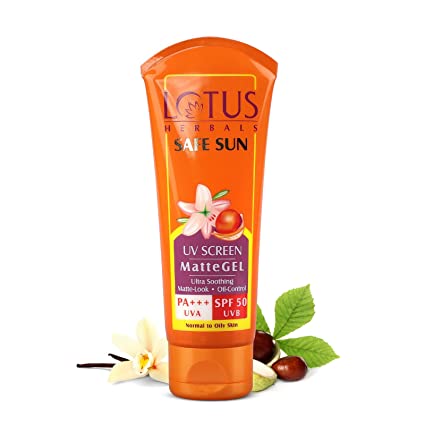 Sale
Original price was: ৳ 950.00.৳ 900.00Current price is: ৳ 900.00.
 Sale
Original price was: ৳ 1,650.00.৳ 1,450.00Current price is: ৳ 1,450.00.
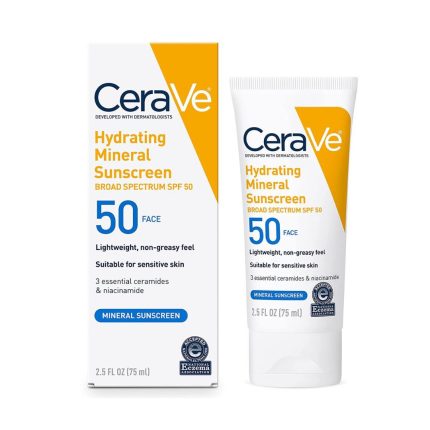 Sale
Original price was: ৳ 4,400.00.৳ 2,850.00Current price is: ৳ 2,850.00.
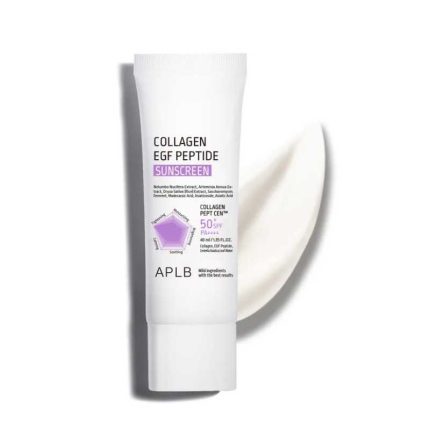 Sale
Original price was: ৳ 1,260.00.৳ 882.00Current price is: ৳ 882.00.
Is physical sunscreen always better than chemical sunscreen?
Physical and chemical sunscreens both provide broad UV protection, but neither is always “better” for everyone.
Physical sunscreens create a mineral barrier that reflects UV radiation, often preferred for sensitive or acne-prone skin. Chemical sunscreens absorb UV and convert it to heat, often being lighter and less visible on skin. For example, brands like Neutrogena offer well-formulated chemical sunscreens that absorb quickly, suitable for daily wear, while La Roche-Posay’s Anthelios Mineral SPF 50 works well for physical protection with less irritation risk. Choosing depends on your skin type, activity, and personal preference. For a detailed guide on the difference, check MoreShopBD’s article on physical vs chemical sunscreen.
Does sunscreen prevent all tanning and skin discoloration?
No sunscreen can block 100% of UV rays or completely prevent tanning and discoloration, but quality products reduce damage significantly.
Sunscreens with high SPF and broad-spectrum (UVA and UVB) protection lower the risk of sunburn and damage that causes tanning and dark spots. However, products rated PA+++ or PA++++ offer extra UVA defense, critical for preventing long-term pigmentation. Water-resistant sunscreens help maintain this protection during sweating or swimming, but reapplication is still necessary to minimize tanning. Consumers in Bangladesh should look for products from brands like Biore, Dot & Key, and Supergoop! available on MoreShopBD that specify these features for optimal results.
How much sunscreen should you apply for proper protection?
You should apply about 2 milligrams of sunscreen per square centimeter of skin, approximately a teaspoon for the face and a shot glass amount (30 ml) for the entire body.
Many users apply too little sunscreen, drastically reducing its effectiveness. For example, applying half the recommended amount of SPF 30 sunscreen offers about SPF 15 protection, which is insufficient under strong Bangladesh sun exposure. Consistent, generous application combined with reapplications every two hours or after swimming is key. Measure amounts in your routine to ensure adequate coverage, especially when purchasing popular formulas like Nivea Sun Protect & Refresh at competitive prices on MoreShopBD.
How often should sunscreen be reapplied?
Reapplication is necessary every two hours and immediately after swimming, sweating, or towel drying to maintain effective protection.
Even water-resistant sunscreens lose their effectiveness with water exposure and sweat. This is especially relevant for outdoor workers or people spending time near water in Bangladesh’s humid climate. For instance, Neutrogena’s Ultra Sheer Water-Light SPF 50+ offers 80-minute water resistance, but reapplication after this interval is essential to prevent sun damage. Keep travel-size sunscreens handy when shopping online in Bangladesh to reapply throughout the day.
Does sunscreen block vitamin D production?
Regular use of sunscreen does not cause vitamin D deficiency because some UVB rays penetrate, and vitamin D is also obtained through diet.
Studies confirm sunscreen users still maintain adequate vitamin D levels when consuming foods rich in vitamin D or supplements. Limited sun exposure windows and dietary sources help maintain your skin’s vitamin D without risking sunburn or skin damage. Therefore, applying sunscreen to protect against harmful UV rays outweighs the minimal impact on vitamin D synthesis, a relevant consideration for Bangladeshi shoppers balancing skincare and nutrition.
Are expensive sunscreens always better in Bangladesh?
Price does not always reflect sunscreen effectiveness; both affordable and premium sunscreens can provide adequate protection if used properly.
In Bangladesh, many budget-friendly sunscreens like the Nivea Sun Face cream can deliver SPF 50 protection at prices below BDT 500. Premium brands like La Roche-Posay or Supergoop! offer specialized formulas for sensitive skin or added benefits but can cost several thousand Taka. Whether you buy from MoreShopBD or local stores, focus on SPF rating, broad-spectrum coverage, water resistance, and formulation matching your skin type over price alone. Proper use makes more difference than brand prestige.
What are the most common sunscreen mistakes people make?
Common mistakes include using too little sunscreen, skipping application on cloudy days, neglecting reapplication, and assuming one sunscreen fits all skin types.
Additionally, many Bangladeshi shoppers forget to apply sunscreen on often-missed areas like ears, neck, and hands. Choosing a formula that suits your skin to prevent irritation or breakouts avoids abandonment of consistent use. Avoid expired products or those lacking broad-spectrum SPF certification. For more detailed error corrections, see MoreShopBD’s comprehensive list of common sunscreen mistakes and how to fix them.
Which one fits you? Choosing sunscreen for specific reader profiles
- Beginners: Choose a broad-spectrum, SPF 30-50 chemical sunscreen like Nivea Sun Face Protect SPF 50 for lightweight daily use, because it’s easy to apply and widely available for online shopping in Bangladesh.
- Tight budget: Opt for effective, affordable brands like Biore UV Aqua Rich Watery Essence SPF 50, priced under BDT 600 on MoreShopBD, offering strong protection without breaking the bank.
- Sensitive skin: Select physical sunscreens with zinc oxide or titanium dioxide, such as La Roche-Posay Anthelios Mineral SPF 50, to minimize irritation and allergies.
- Outdoor workers or swimmers: Choose water-resistant sunscreens like Neutrogena Ultra Sheer SPF 50+ that last during sweating, applying generously and often.
If you want guidance on physical versus chemical sunscreen, visit MoreShopBD’s main guide on choosing physical or chemical sunscreens.
Who should NOT use certain types of sunscreen?
People with sensitive skin should avoid chemical sunscreens containing oxybenzone or avobenzone, which can cause irritation or allergic reactions. Conversely, physical sunscreens might be unsuitable for those who dislike visible white cast or those with oily skin prone to clogging.
Always patch test new sunscreen products. If you experience irritation, consult a dermatologist who can recommend alternatives, possibly from hypoallergenic ranges available on MoreShopBD.
Example purchases and practical sunscreen use scenarios
Example 1: A teacher working indoors but exposed to windows can choose a low-cost Biore UV Aqua Rich SPF 50, applying 1 teaspoon daily on face and arms, reapplying at lunch. Yearly cost: approx BDT 7,000.
Example 2: A small business owner spending 4 hours outdoors daily should pick Neutrogena Ultra Sheer Water-Light SPF 50+, applying 2 tablespoons per application and reapplying every 2 hours. Estimated yearly sunscreen cost is BDT 15,000.
Example 3: A teenager with oily, acne-prone skin can use La Roche-Posay Anthelios Mineral SPF 50, benefiting from a non-irritating formula, applied daily at a cost of BDT 10,000 annually.
Choosing sunscreen in Bangladesh’s humid climate: a decision framework and hidden factors
Bangladesh’s tropical climate with high humidity and intense UV exposure requires sunscreen that combines high SPF, broad-spectrum protection, and water resistance. However, frequent sweating reduces sunscreen efficacy, creating hidden costs of reapplication and product volume. Choose sunscreens with at least SPF 50, water and sweat resistance, and lightweight textures to encourage frequent use without discomfort or clogging pores.
Consider formulations with added moisturizers or mattifying agents to suit humid skin. For example, the Dot & Key Face Sunscreen SPF 50+ PA++++ combines hydration and strong UVA/UVB blocking, ideal for daily city use. Purchasing 50ml tubes ensures affordability and less product waste in a hot climate. MoreShopBD offers competitive pricing and selection across these specifications, helping you make informed choices.
This framework balances skin protection, climate suitability, budget, and product convenience, a combination many top sunscreen articles overlook. Applying this helps you avoid wasted sunscreen and buy better products online in Bangladesh.
| Brand/Product | Price Range (BDT) | Best For | Key Strengths | Main Limits |
|---|---|---|---|---|
| Biore UV Aqua Rich SPF 50 | 450-600 | Budget-conscious daily use | Lightweight, high SPF, chemical sunscreen | May irritate very sensitive skin |
| Neutrogena Ultra Sheer SPF 50+ | 900-1200 | Outdoor and water activities | Water-resistant, broad-spectrum | Pricey, chemical sunscreen |
| La Roche-Posay Anthelios Mineral SPF 50 | 1500-2000 | Sensitive skin, physical protection | Mineral-based, less irritation | White cast on deep skin tones |
| Dot & Key SPF 50+ PA++++ | 700-1000 | Moisturizing with UVA-UVB defense | Tinted, broad-spectrum, hydrating | Not water-resistant |
Practical checklist for effective sunscreen use
- Choose a broad-spectrum sunscreen with SPF 30 or higher (SPF 50 recommended for Bangladesh’s UV levels).
- Apply approximately 2 mg per cm² each time (1 teaspoon for face, 30 ml for body).
- Apply sunscreen at least 15-20 minutes before sun exposure.
- Reapply every two hours or immediately after sweating, swimming, or towel drying.
- Use separate lip balm with SPF to protect lips.
- Check product labels for water resistance and PA rating for UVA protection.
- Replace expired sunscreen as effectiveness decreases after expiration date.
Common sunscreen mistakes and how to fix them
- Applying too little sunscreen: Use recommended amounts to ensure full SPF protection.
- Skipping reapplication: Carry travel-size sunscreen for on-the-go use.
- Ignoring cloudy or indoor days: Wear sunscreen daily as UVA rays penetrate clouds and glass.
- Using sunscreen as the sole protection: Wear hats, sunglasses, and seek shade during peak sun hours.
- Choosing wrong formulas: Match sunscreen type (physical vs. chemical) to your skin type and sensitivity.
Frequently Asked Questions
Is sunscreen necessary on cloudy days?
Yes, sunscreen is necessary on cloudy days because up to 80% of UV rays can penetrate clouds and harm your skin. Cloud cover does not block UVA rays, which cause aging and skin damage, so daily sunscreen protects you even when the sky is overcast.
Does sunscreen cause vitamin D deficiency?
No, regular sunscreen use does not cause vitamin D deficiency. Sunscreen blocks some UVB rays but not all, and vitamin D is also absorbed from foods and supplements, so proper use protects skin without compromising health.
Should I choose chemical or physical sunscreen?
Both chemical and physical sunscreens are effective. Physical sunscreens with minerals like zinc oxide reflect UV rays and suit sensitive skin, while chemical sunscreens absorb UV rays and offer lighter texture. Choose based on your skin type and comfort preferences.
Does applying more sunscreen increase protection linearly?
No, applying more sunscreen increases protection but not linearly. Using less than the recommended amount drastically lowers SPF effectiveness; applying about 2 milligrams per square centimeter is necessary for full protection.
How often should I reapply sunscreen?
Reapply sunscreen every two hours, or immediately after swimming, sweating, or towel drying. Maintaining protection requires regular reapplication, especially in Bangladesh’s hot and humid climate.