
What Are the Risks of Using Retinoids and Chemical Exfoliants While Pregnant?


· By Ariful Islam
Quick answer: Retinoids and many chemical exfoliants pose risks during pregnancy due to their potential effects on fetal development and skin sensitivity; therefore, pregnant women should avoid products containing these ingredients to ensure safety. This cautious approach helps protect your baby’s health and maintain skin health with safer alternatives. For a detailed list of unsafe products during pregnancy, see our main guide on skincare ingredients to avoid in pregnancy.
- Retinoids, especially oral forms, are strongly contraindicated during pregnancy due to teratogenic risks.
- Topical retinoids have uncertain risk but are advised to be avoided to keep pregnancy safe.
- Certain chemical exfoliants like AHAs and BHAs can increase skin sensitivity and absorption of harmful substances.
- Switching to pregnancy-safe skincare options like gentle moisturizers and vitamin C serums maintains skin health.
- Stopping retinoids before pregnancy is key; use of pregnancy-safe products can continue safely.
Why Are Retinoids Considered Risky During Pregnancy?
Retinoids are risky in pregnancy mainly because high doses of vitamin A derivatives can cause birth defects known as teratogenic effects.
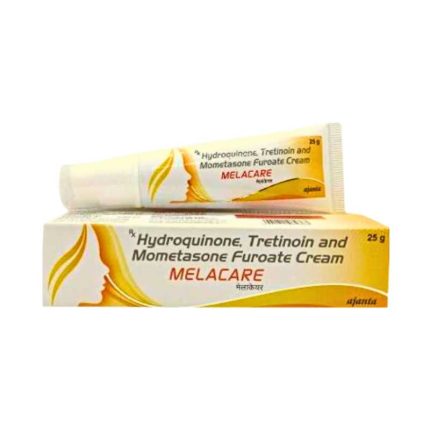
Oral retinoids such as isotretinoin, acitretin, alitretinoin, and bexarotene, prescribed for severe skin conditions, are well-documented for their severe risk to fetal development and are absolutely contraindicated during pregnancy. Topical retinoids like tretinoin carry less clear but potential risks, so most dermatologists recommend discontinuing them prior to conception and throughout pregnancy. The European Medicines Agency and medical guidelines emphasize the strict avoidance of oral retinoids due to their established harm. This sensitivity reflects vitamin A’s vital role in fetal growth, where too much can disrupt normal development processes.
For Bangladeshi women shopping online, MoreShopBD recommends checking products carefully, especially differentiating topical retinoids from vitamin A enriched creams. Avoiding these helps keep pregnancy and baby safe, as confirmed by research and suggestions from global health authorities.
Recommended Products
 Sale
Original price was: ৳ 2,000.00.৳ 1,490.00Current price is: ৳ 1,490.00.
 Sale
Original price was: ৳ 1,380.00.৳ 966.00Current price is: ৳ 966.00.
 Sale
Original price was: ৳ 1,760.00.৳ 1,232.00Current price is: ৳ 1,232.00.
Are Chemical Exfoliants Like AHAs and BHAs Dangerous for Pregnant Skin?
Chemical exfoliants such as Alpha Hydroxy Acids (AHAs) and Beta Hydroxy Acids (BHAs) can increase skin sensitivity and potentially enhance penetration of other ingredients, which is why caution is advised during pregnancy.
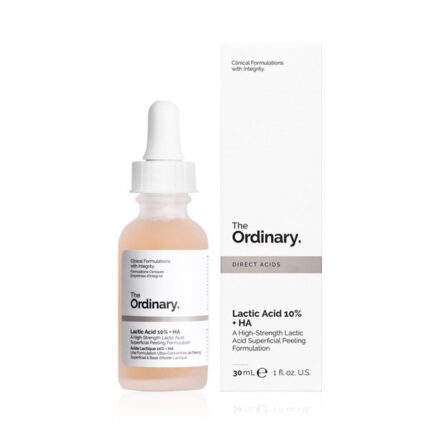
AHAs like glycolic acid and lactic acid are popular for brightening and smoothing skin but can slightly thin the outer skin layer, leading to increased sun sensitivity. BHAs like salicylic acid, especially in higher concentrations, may be absorbed and pose risks similar to systemic medications. While topical use of low concentrations of these acids is generally considered low risk, dermatologists often suggest limiting or avoiding strong acids to prevent irritation or accidental systemic exposure, especially since immune and skin barrier changes occur in pregnancy.
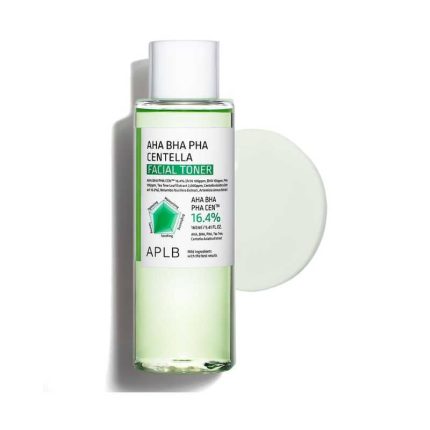
For gentle exfoliation, pregnancy-safe options include physical exfoliants or mild enzyme-based products. MoreShopBD offers knowledgeable guidance on safe exfoliation routines and alternatives, such as the APLB AHA BHA PHA Centella Facial Cream, which combines mild exfoliants with soothing ingredients.
When Should You Stop Using Retinoids Before Trying to Conceive?
Experts advise stopping retinoid use at least one month before conception to ensure the ingredient has cleared from your system and to minimize fetal risk.
This timing is important because retinoids can accumulate in body fat and may remain active for weeks after discontinuation. Dermatologists commonly recommend a one to three-month washout period prior to pregnancy attempts, depending on retinoid type and dosage. For oral isotretinoin, which is most harmful, the strictest guidelines recommend effective contraception during treatment and for at least one month afterward.
Discontinuing retinoid use early prevents inadvertent exposure during the critical first trimester, when fetal development is most susceptible to vitamin A excess. For those concerned about timing and skincare transitions, our guide on which skincare ingredients are unsafe in pregnancy provides detailed support.
What Are Safe Skincare Alternatives for Pregnant Women?
Pregnant women can safely use moisturizers, gentle cleansers, vitamin C serums, hyaluronic acid, and natural soothing ingredients to maintain healthy skin without risk.
Products with hyaluronic acid provide hydration without irritation, while vitamin C supports skin brightness and collagen without teratogenic risk. Gentle moisturizing creams, like those found in the cream & moisturizer category at MoreShopBD, can maintain skin barrier integrity. Natural options such as aloe vera or centella asiatica help reduce inflammation and soothe sensitive pregnancy skin. Avoiding strong acids or retinoids prevents irritation and toxicity.
Choosing pregnancy-safe products supports a comfortable skincare routine and healthy appearance until after childbirth, at which point retinoids can be resumed under medical advice if desired.
How Do Retinoids and Chemical Exfoliants Affect Pregnant Skin Differently?
Retinoids influence cell turnover and gene expression, which impacts fetal development systemically, while chemical exfoliants primarily affect the skin barrier and sensitivity.
Retinoids, especially oral forms, can cross the placenta and have documented harmful effects on the fetus, making them strongly contraindicated. Topical retinoids also raise concerns despite limited direct casualty evidence. Chemical exfoliants mainly alter the skin’s outer layer by removing dead cells, increasing sun sensitivity and absorption of other substances. High concentrations of salicylic acid (a BHA) can behave like aspirin and have systemic effects if absorbed excessively.
While retinoids carry a systemic risk to the fetus due to vitamin A metabolism, chemical exfoliants carry more localized risks such as irritation, increased sensitivity and potential over-exposure to UV damage. This difference explains why retinoids are strictly avoided, while chemical exfoliants require careful moderation.
Decision Framework: Should You Stop All Retinoids and Chemical Exfoliants Immediately When Pregnant?
Deciding whether to stop retinoids and chemical exfoliants immediately upon pregnancy depends on use frequency, concentration, and product type.
If you were using oral or high-concentration topical retinoids regularly, stopping immediately is critical due to high teratogenic risks. For occasional or low-dose topical retinoid use, while some studies show no increased malformation risk, the safest option remains full discontinuation. Chemical exfoliants in low concentrations may be paused or replaced by gentler formulas until you confirm pregnancy and consult your specialist.
This decision balances minimizing risk with managing skin concerns like acne or pigmentation. Switching to pregnancy-safe products such as vitamin C serums or moisturizers with hyaluronic acid provides skin benefits without hazard.
Remember, pregnancy-safe skincare is about risk reduction and avoiding unnecessary exposure, supported by well-informed product choices from platforms like MoreShopBD.
What Are Common Mistakes to Avoid When Switching Prenatal Skincare Routines?
A common mistake is stopping retinoids abruptly without replacing them with safe options, which can lead to worsening skin conditions like acne or pigmentation.
Another error is underestimating chemical exfoliants’ potency; many think mild acids are fully safe, but misuse can cause irritation or sensitivity. Over-reliance on natural remedies without professional guidance can also result in inadequate care or allergic reactions. Additionally, failing to check product labels carefully may cause accidental use of banned ingredients like retinol or salicylic acid.
Choosing balanced products that soothe while supporting skin health is key. MoreShopBD advises reviewing ingredient lists and consulting pregnancy skincare guides to establish a safe and effective routine, ensuring clear communication with your healthcare provider for any concerns.
Which One Fits You? Tailored Recommendations for Different Skincare Users During Pregnancy
- Beginner pregnant skincare user: Choose simple, fragrance-free moisturizers and vitamin C serums to avoid irritation because starting with gentle products reduces risk.
- Budget-conscious shopper: Pick multi-purpose creams with safe ingredients like the APLB AHA BHA PHA Centella Facial Cream because it hydrates and gently exfoliates without harsh chemicals.
- Experienced user with acne concerns: Consult a dermatologist to replace retinoids with safe alternatives such as azelaic acid or niacinamide products found at MoreShopBD because self-prescribing risky ingredients can harm your baby.
- Postpartum skin recovery focus: After childbirth, gradually reintroduce retinoids with professional guidance to restore skin texture and treat pigmentation effectively.
Who Should NOT Use Retinoids or Chemical Exfoliants During Pregnancy?
Any pregnant woman or those planning to conceive should avoid oral retinoids entirely due to teratogenicity risk. Women with sensitive skin should also avoid strong chemical exfoliants during pregnancy to prevent irritation and inflammation. Additionally, nursing mothers should refrain from heavy retinoid use because these compounds may pass into breast milk, posing risk to the infant. Women with existing skin conditions should consult dermatologists to find pregnancy-safe alternatives rather than self-medicating with hazardous ingredients.
What Are the Real Costs of Switching to Pregnancy-Safe Skincare?
Transitioning to pregnancy-safe skincare may involve purchasing new products with ingredients like hyaluronic acid, vitamin C, and soothing botanicals, which can cost between 800 BDT and 3,500 BDT per item on MoreShopBD, depending on brand and formulation.
While some pregnancy-safe creams and serums may be pricier than retinoid-containing products, the investment secures your baby’s safety and skin health. Also, avoiding expensive post-pregnancy skin repair treatments by maintaining a proper prenatal routine offers long-term saving benefits. MoreShopBD provides affordable options curated for Bangladeshi online shoppers balancing quality and budget, including trusted brands that comply with safety standards.
How to Safely Discontinue Retinoids and Chemical Exfoliants When You Discover You’re Pregnant?
Stop retinoid use immediately upon confirmation of pregnancy, especially oral forms, and switch gradually from chemical exfoliants to mild cleansers and moisturizers.
Rinsing the skin well and avoiding other potentially irritating actives during the transition reduces sensitivity. Monitoring skin reactions during this time is important to adjust your routine as needed. Scheduling a consultation with a healthcare professional or dermatologist to receive tailored advice helps manage any skin concerns safely. MoreShopBD’s selection of pregnancy-safe products offers practical choices to ease this change without compromising daily skincare.
How Does Vitamin A Intake from Food Compare to Retinoids Risk in Pregnancy?
Vitamin A from food sources like liver, dairy, and vegetables is essential in normal amounts during pregnancy, unlike retinoids which are concentrated forms causing risks.
While dietary vitamin A supports fetal development, excessive supplementation or oral retinoids increase teratogenicity risk. The difference lies in dosage form and concentration: retinoids are synthetic or high-dose vitamin A derivatives, whereas food contains balanced nutrients. Pregnant women should maintain a balanced diet without excessive supplementation and avoid retinoid medications unless prescribed safely. This balance is important to prevent birth defects. For detailed nutritional advice, consult a healthcare provider.
Are There Specific MoreShopBD Products Recommended for Pregnancy-Safe Skincare?
Yes, MoreShopBD offers several pregnancy-safe skincare products tailored for gentle care, such as the APLB AHA BHA PHA Centella Facial Cream, which features mild exfoliants and soothing botanicals suitable during pregnancy.
Additionally, their cream & moisturizer category includes fragrance-free, hydrating creams that maintain skin barrier integrity. The platform’s comprehensive guidance and product reviews help Bangladeshi shoppers select safe, effective skincare for pregnancy and everyday use.
What Are the Potential Side Effects of Using Retinoids or Exfoliants During Pregnancy?
Potential side effects include skin irritation, redness, increased photosensitivity, and in the case of retinoids, risk of fetal malformations if absorbed systemically in large doses.
Topical retinoids can cause dryness and peeling, which pregnancy may worsen, risking skin barrier damage. Chemical exfoliants may lead to irritation or allergic reactions, especially on more sensitive pregnancy skin. Oral retinoids are strongly linked with severe fetal deformities, underscoring their pregnancy contraindication. Replacing these with gentle products reduces side effect risks, protecting both mother and baby.
Where Can You Learn More About Pregnancy-Safe Skincare Ingredients?
To explore further, MoreShopBD offers detailed resources like the post on skincare ingredients to avoid in pregnancy and related beauty tips in their Beauty Tips section, which covers safe routines, ingredients, and alternatives for pregnant women.
These resources guide you step-by-step to make informed decisions and safely shop online in Bangladesh for both skincare and lifestyle products.
FAQ
Are retinoids safe to use during pregnancy?
Retinoids are generally not safe during pregnancy because they can cause birth defects, especially when taken orally. Topical retinoids are also discouraged as a precaution.
Why should chemical exfoliants be avoided while pregnant?
Chemical exfoliants like AHAs and BHAs increase skin sensitivity and could enhance absorption of harmful substances, so pregnant women are advised to use them cautiously or avoid them.
When should I stop using retinoids before pregnancy?
It is recommended to stop retinoid use at least one month before trying to conceive to minimize risks to the developing baby.
What safe skincare alternatives can I use during pregnancy?
Safe alternatives include gentle moisturizers, vitamin C serums, hyaluronic acid products, and natural soothing ingredients that support skin health.
Can accidental retinoid use during pregnancy cause harm?
Occasional accidental use of topical retinoids is unlikely to cause serious harm, but regular use should be avoided. Consult a healthcare provider if concerned.
- Practical checklist to avoid retinoid and chemical exfoliant risks during pregnancy:
- Check product labels for retinoids or AHAs/BHAs content before purchase.
- Stop all oral retinoid medicines immediately when planning pregnancy.
- Discontinue topical retinoids at least one month before conception.
- Replace exfoliating acids with gentler alternatives like physical exfoliants or enzyme-based products.
- Consult dermatologists or healthcare providers for any uncertain products.
- Use broad-spectrum sunscreens to protect increased sun-sensitive skin during pregnancy.
- Choose fragrance-free, pregnancy-safe moisturizers for hydration.
| Product Type | Price Range (BDT) | Best For | Key Strengths | Main Limits |
|---|---|---|---|---|
| Oral Retinoids (Prescription) | 10,000–30,000+ | Severe Acne (NOT pregnancy-safe) | Highly effective but teratogenic | Strict pregnancy contraindications |
| Topical Retinoids | 500–3,000 | Acne, Aging Skin (avoid in pregnancy) | Effective for skin renewal | Unknown risk in pregnancy, irritation possible |
| AHA/BHA Exfoliants (Low Concentration) | 800–2,500 | Skin Brightening, Gentle Exfoliation | Mild renewal, improves texture | Can increase sun sensitivity; use with caution during pregnancy |
| Pregnancy-Safe Moisturizers/Serums | 700–3,500 | Hydration, Sensitive Skin Care | Safe ingredients, skin barrier support | Less aggressive on pigmentation/acne |