
How to Choose the Right Foundation Shade


· By Sajib Hossain
Finding a foundation that looks natural can feel confusing. How to Choose the Right Foundation Shade should help you skip guesswork and get a true match fast. This guide gives clear steps on undertones, testing, and common mistakes.
Why a correct foundation shade matters
Many shoppers pick a shade that looks good in the store but mismatches in daylight. Studies show a wrong match makes skin look flat or mask-like. That is why learning how to find foundation shade saves time and money. Avoid common errors detailed in common foundation shade mistakes and solutions to ensure your chosen shade really suits you.
Because your face and neck can differ in tone, a small mismatch is common. Still, a right match creates a seamless, natural-looking finish and boosts confidence.
Recommended Products
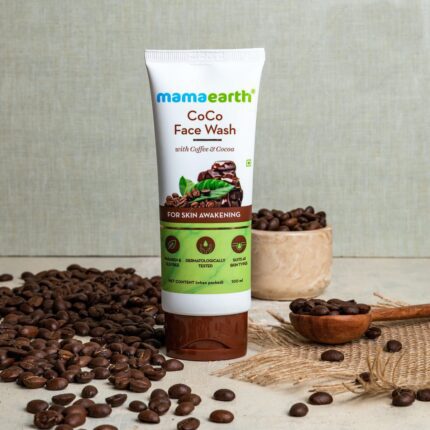 Sale
Original price was: ৳ 650.00.৳ 520.00Current price is: ৳ 520.00.
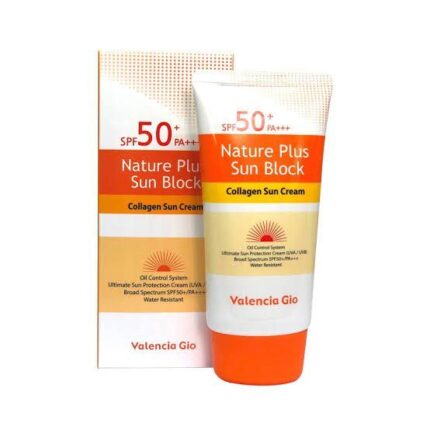
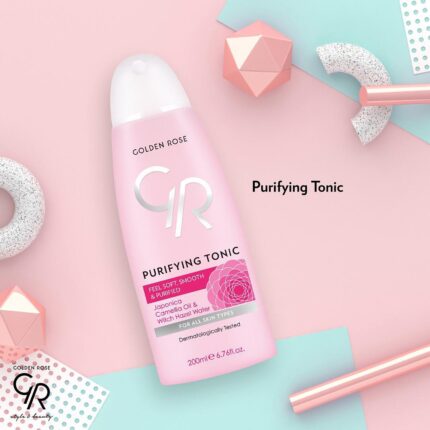
৳ 2,400.00
 Sale
Original price was: ৳ 2,880.00.৳ 1,999.00Current price is: ৳ 1,999.00.
Understand skin tone versus undertone
Skin tone describes how light or dark your skin appears. By contrast, undertone refers to the subtle hue under the surface that stays the same year-round. Knowing both helps you narrow options quickly.
For example, warm undertones lean yellow or golden, while cool undertones show pink or blue. Neutral undertones balance warm and cool, so neutral formulas often suit a wide range.
Use a simple skin undertone guide
Start with a quick test at home. Look at the veins on your inner wrist under natural light. If veins appear green, you likely have warm undertone; blue or purple suggests cool undertone; a mix suggests neutral undertone.
That is why a skin undertone guide can steer you to warm undertone foundation, cool undertone foundation, or neutral undertone foundation options. Dermatologists recommend testing in natural light for best results. For detailed recommendations on foundations matched to skin undertones in Bangladesh, see this best foundation guide for different skin undertones in Bangladesh.
How to find foundation shade: step-by-step
First, choose three shades close to your best guess. Test each in a stripe along your jawline rather than on your hand. This method helps you see the blend from face to neck for correct foundation shade match.
Next, perform a natural light foundation test by stepping outside or near a window. If the stripe disappears into your skin, you found the right shade. If one looks too dark or too pink, try a different undertone.
Products and formulations to consider
Different formulations affect appearance. A matte formula may look flatter, while a dewy finish can brighten complexion. That means you should pick a formulation that suits your skin type and desired finish.
Makeup lines often label shades by numbers and letters that hint at undertone. For instance, warm ranges include Y or W, while cool ranges use C or P. However, labels differ by brand so testing remains essential.
How to test foundation shade correctly
Always test on clean skin without sunscreen or heavy skincare. Apply small amounts of each shade in natural light and wait five minutes to see how it oxidizes. That wait helps you avoid choosing a shade that darkens after wear.
For shoppers who want to test foundation shade at home, order sample sizes or use tester pods when available. This low-risk approach lets you confirm a match across different lighting and activities. To ensure accuracy, follow our step-by-step guide to testing foundation shades at home before making a purchase.
Matching foundation for different skin types and tones
People with oily skin may prefer oil-free or long-wear formulas that keep color stable. Conversely, dry skin often benefits from hydrating formulas that prevent patchy wear. Choose the base that keeps shade consistent throughout the day.
For those seeking a foundation shade for Bangladeshi skin tone, look for brands with wide shade ranges and swatches on diverse skin. That is why sampling in natural light and checking for undertone alignment is vital.
Color-correcting and mixing shades
Sometimes a single shade will not match both face and neck. In that case, mix two shades to customize a match. For example, blend a slightly warmer shade with a lighter neutral shade for a seamless transition.
When using color correctors, apply them sparingly and blend before foundation. This means you address redness or sallowness without altering your eventual foundation shade match.
Common mistakes to avoid
Buying a shade that looks good in fluorescent light is a common error. That type of light can skew color perception and lead to a mismatched purchase. Instead, test with a natural light foundation test to reduce mistakes.
Another mistake is choosing a darker shade to “look tan.” This choice can read unnatural on camera and in person. Instead, use bronzer or gradual tanner for intentional warmth without sacrificing match.
Professional tips for a reliable foundation shade match
Makeup artists often blend two or three shades on set to get a precise color. If a single match proves elusive, ask a pro to create a custom mix. That practical method gives a true match without buying multiple full-size bottles.
Retail staff trained in shade matching can help, but you should still test in natural light. Research indicates brands with diverse foundation lines reduce mismatch rates for varied skin tones.
Shopping online: tools and techniques
Many brands offer online shade finders that compare products to photographed swatches. Use those tools as a starting point, then confirm with samples when possible. Photos can help but are not a substitute for a physical test.
Because lighting and camera settings vary, upload a neutral, well-lit photo for more accurate recommendations. Also read user reviews that mention foundation shade match for your skin tone.
How to care for swatches and testers
Keep samples stored away from heat and direct sun to preserve color accuracy. Old testers may oxidize or change, so treat fresh samples as the most reliable resource. That care ensures your natural light foundation test remains valid.
How to determine your foundation shade accurately?
The most accurate way to determine your foundation shade is by testing several close shades on your jawline and observing them in natural light using products like L’Oreal True Match Foundation or Maybelline Fit Me Matte + Poreless Foundation.
Start by selecting three to four shades near your skin tone. Apply small swatches along your jawline, then step outside or near a window to view in daylight. The right shade should blend seamlessly into your skin without leaving visible lines. Wait around 5-10 minutes for the product to settle and oxidize, as some foundations may appear darker or change tone after application. Avoid testing on your hand or wrist, since those areas may differ in tone from your face. Finally, take photos under different lighting (indoor and outdoor) to confirm the match. This method ensures a high chance of picking an exact match that complements your natural skin tone and undertone.
What is the difference between foundation shade and undertone?
Foundation shade refers to the lightness or darkness of the foundation, while undertone is the subtle color hue beneath the skin’s surface, such as warm, cool, or neutral.
Foundation shade categorizes the depth of color and ranges from very fair to deep, whereas undertone indicates whether your skin has underlying tones of yellow, pink, red, olive, or blue. For example:
| Aspect | Description | Example |
|---|---|---|
| Shade | Lightness or darkness of the skin | Fair, Medium, Tan, Deep |
| Undertone | Hue beneath skin surface | Warm (yellow/golden), Cool (pink/blue), Neutral (balanced) |
Most brands label shades with numbers or names indicating the shade depth, and letters hinting undertones (such as “W” for warm, “C” for cool). Understanding this difference helps you avoid picking a shade that matches your level of lightness but clashes with your skin’s undertone, leading to unnatural or ashy appearance. For more on identifying your undertone and matching foundation, check our best foundation guide for different skin undertones in Bangladesh.
What are the best foundation shades for different skin tones?
The best foundation shades vary by skin tone range, with options tailored for fair, medium, tan, and deep skin tones to provide a natural and flattering finish.
Typical recommended shades include:
- Fair skin: Light shades with pink or neutral undertones, e.g. Maybelline Fit Me fair ivory, L’Oreal True Match N1 (Neutral).
- Medium skin: Medium beige with warm or neutral undertones like L’Oreal True Match W4 (Warm), Maybelline Fit Me medium beige.
- Tan skin: Warm golden tones such as Revlon ColorStay Tawny or L’Oreal True Match W5.
- Deep skin: Rich shades with warm or neutral undertones like Maybelline Fit Me deep caramel or L’Oreal True Match C8.
Bangladeshi skin tones generally span from medium to tan with a predominance of warm or neutral undertones, so choosing shades in the warm and neutral ranges usually gives the best match. Selecting products with broad shade ranges and trying samples is recommended, especially for shades that suit local skin tones and climate.
How can I test foundation shade at home effectively?
Testing foundation shade at home is best done by applying several shades on your jawline and checking under natural light, using controlled techniques such as the L’Oreal True Match Foundation or Maybelline Fit Me.
Follow these steps:
- Cleanse your face without applying other makeup products.
- Apply thin stripes of three close shades side-by-side on your jawline.
- Step outside or near a window to see colors in daylight.
- Observe which shade disappears seamlessly into your skin.
- Wait about 5-10 minutes to check for any oxidation or color change.
Ordering sample sizes or buying small tester pods helps to try the shades over a full day to see wear consistency. For a more detailed approach, see our step-by-step guide to testing foundation shades at home, which covers tracking shade consistency, blending, and choosing the right finish.
What should I do if my foundation shade doesn’t match?
If your foundation shade doesn’t match perfectly, you can either mix two shades, adjust with color correctors, or exchange for a better shade if possible.
Here are some practical solutions:
- Mix shades: Blend a lighter and darker shade to create a custom hue that matches both face and neck tones.
- Use color correctors: Apply peach or orange correctors under foundation to neutralize undertone mismatches.
- Apply bronzer or highlighter: Use bronzer to warm up pale foundation or highlighter to brighten dull shades.
- Return or exchange: When buying online in Bangladesh through MoreShopBD, check return or exchange policies to swap for a better shade.
If you frequently struggle with shade matching, consult trained makeup professionals or use online shade-finder tools before purchasing full-size products to minimize mismatch risk.
Foundation shade matching tips for beginners
Beginners should focus on testing foundation shades on the jawline in natural daylight, starting with a few close shades, and understanding their undertone clearly.
Key tips include:
- Identify your undertone: Use vein color or jewelry tests to know if you have warm, cool, or neutral undertones.
- Test a few shades: Never buy the first shade you try; testing 2-3 shades helps prevent mistakes.
- Avoid hand testing: The face jawline gives a more accurate read than the hand or wrist.
- Wait and observe: Check the shade after a few minutes for oxidation.
- Consider skin type: Choose formula and finish (matte or dewy) based on oily or dry skin.
- Ask for advice: Seek help from store staff or online reviews focusing on skin tone similar to yours.
By following these simple steps, beginners can confidently pick a foundation shade that enhances their natural beauty and ensures a smooth, flawless look.
Foundation shade recommendations for Bangladeshi skin tone
For Bangladeshi skin tones, foundation shades that balance medium to tan depth with warm and neutral undertones generally provide the best match and natural appearance.
Popular foundation options for Bangladeshi consumers include:
- L’Oreal True Match: Shades like W4 (Warm) and N4 (Neutral) suit medium to tan skin best.
- Maybelline Fit Me Matte + Poreless: Shades 220 (Natural Beige) and 228 (Soft Tan) complement warm/neutral undertones.
- Revlon ColorStay: Shades Tawny or Toast are well suited for deep medium skin tones.
- NYX Total Control Drop Foundation: Offers customizable shades within warm and neutral palettes ideal for South Asian skin.
Many Bangladeshi shoppers buy online in Bangladesh through platforms like MoreShopBD to access these brands at competitive prices and with convenient delivery. Sampling shades in natural light and reading user feedback from similar skin tones improves match confidence. Additionally, choosing sweatproof and humidity-resistant formulas can enhance wear comfort in Bangladesh’s climate.
Frequently Asked Questions
How can I find my undertone quickly?
Check veins on your wrist in natural light; green veins suggest warm undertone, blue indicates cool, and a mix points to neutral. You can also test with jewelry: gold flatter warm skin, silver flatter cool skin.
What is the best way to test foundation shade at home?
Apply three adjacent shades on your jawline and view them in natural light. The shade that disappears into your skin is your match, so avoid testing only on the hand.
How do I match foundation for Bangladeshi skin tone?
Look for brands that offer tan to deep shades with warm and neutral undertones. For a reliable foundation shade match, sample products in natural light and consider mixing shades if needed.
Should I choose a different shade for photos?
Often no; a true match looks best in photos and real life. If you need extra brightness on camera, use a radiant primer or subtle highlight rather than a darker foundation.
Final Thoughts
The single most important idea is simple: test in natural light and trust the shade that disappears into your skin when choosing. How to Choose the Right Foundation Shade comes down to understanding undertone, testing on the jawline, and confirming in daylight. For most shoppers, ordering samples and doing a natural light foundation test delivers the best, most reliable result.