
How Seasonal Changes Affect Skin Pigmentation and How to Adapt Your Face Pack Routine Accordingly


· By Ariful Islam
Quick answer: Seasonal changes in Bangladesh strongly influence skin pigmentation through shifts in sun exposure, humidity, and temperature, which can increase melanin production or dry the skin leading to darker spots. To adapt, adjust your face pack routine accordingly: use light, hydrating packs in summer, soothing and antifungal treatments during monsoon, and moisturizing, brightening packs in winter. This approach helps control pigmentation and keeps the skin even-toned year-round. For detailed product guidance, explore the top 5 effective face packs for pigmentation removal.
- Seasonal sun intensity and humidity drive pigmentation changes in Bangladesh.
- Summer requires lightweight, antioxidant-rich face packs and strict sunscreen use.
- Monsoon skin needs antifungal, soothing ingredients to prevent pigmentation flare-ups.
- Winter calls for moisturizing and brightening face packs to counter dryness and dullness.
- Personalizing your face pack routine by season supports long-term pigment control.
How do Bangladesh’s seasons affect skin pigmentation?
Bangladesh experiences four distinct seasons, summer, monsoon, autumn, and winter, each influencing skin pigmentation differently due to varying sun exposure, humidity, and temperature.
In summer, intense UV radiation stimulates melanin production, worsening dark spots and uneven pigmentation. Monsoon weather increases humidity and risk of fungal infections, aggravating pigmentation through skin inflammation. Autumn brings milder sun exposure but residual pigment issues from the prior months. Winter’s low humidity and colder temperatures cause dryness, making pigmentation appear more pronounced and dull.
Understanding these seasonal effects helps you tailor your skincare, particularly your face pack routine, to each stage’s unique challenges. This prevents pigmentation from worsening and promotes skin brightness across the year.
For a detailed guide on targeted face packs for pigmentation treatment, see MoreShopBD’s top 5 effective face packs.
Recommended Products
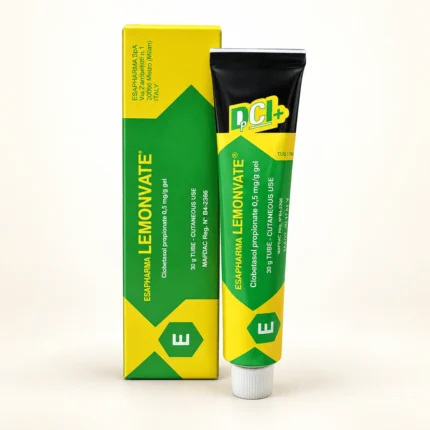 Sale
Original price was: ৳ 450.00.৳ 420.00Current price is: ৳ 420.00.
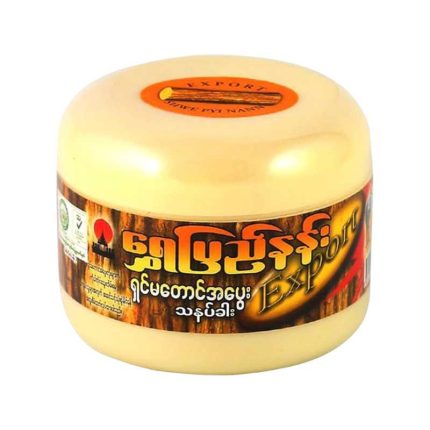 Sale
Original price was: ৳ 850.00.৳ 720.00Current price is: ৳ 720.00.
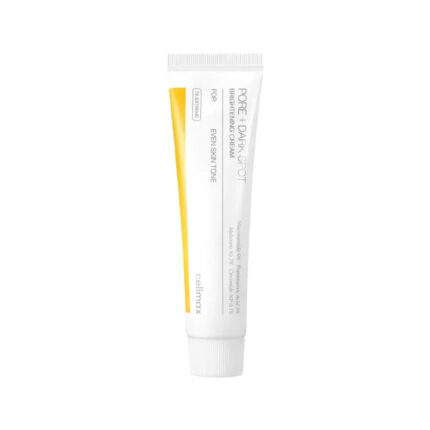 Sale
Original price was: ৳ 1,790.00.৳ 1,590.00Current price is: ৳ 1,590.00.
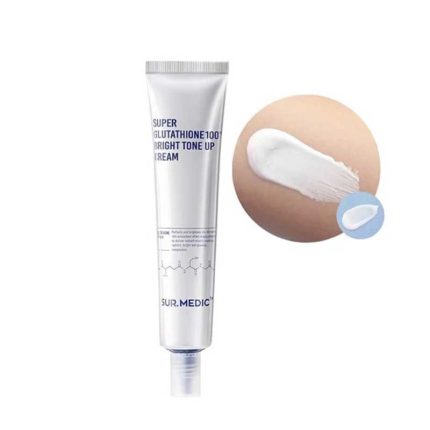 Sale
Original price was: ৳ 1,900.00.৳ 1,480.00Current price is: ৳ 1,480.00.
Why does summer increase pigmentation and how can your face pack routine help?
Summer’s strong UVA and UVB rays increase melanin synthesis, the pigment responsible for dark spots and uneven skin tone. This leads to visible hyperpigmentation if the skin is not shielded or treated properly.
To counter this effect, your face pack routine in summer should focus on calming sun-damaged skin and preventing further pigmentation. Choose packs with ingredients like aloe vera, cucumber extract, and antioxidants such as vitamin C to reduce inflammation and neutralize free radicals. Avoid heavy or oily packs that can clog pores and worsen pigmentation.
Regular use of a broad-spectrum sunscreen with SPF 30 or higher complements the face packs by protecting against further UV damage, which is crucial in Bangladesh’s sun-intense climate.
Compare all sunscreens available on MoreShopBD to find options suited for daily use in Bangladesh’s summer.
How to adapt your face pack routine during the monsoon season when pigmentation worsens?
The monsoon season combines high humidity with patchy sunlight and increased fungal risk, which together aggravate pigmentation. Humid conditions increase sweat and oil production, clogging pores and causing inflammation that worsens dark spots.
During monsoon, switch to anti-inflammatory and antifungal face packs that soothe irritated skin. Ingredients such as neem, turmeric, and sandalwood are beneficial for their antibacterial and skin-brightening properties. Use gentle exfoliation carefully to avoid over-irritation.
Additionally, maintain a skincare routine that prevents fungal infections, as these worsen pigmentation, especially in Bangladesh’s wet climate.
For home remedies with these ingredients, see MoreShopBD’s guide to red sandalwood face packs and natural seasonal skin care methods.
What changes does winter bring to pigmentation and face pack selection?
Winter’s colder temperatures and indoor heating cause skin dryness, which makes pigmentation spots more obvious and the skin dull. Dry skin reduces its natural barrier, allowing pollutants and irritants to settle, which can worsen pigmentation.
Your winter face pack routine should prioritize deep hydration and skin barrier repair using moisturizing ingredients like glycerin, honey, and licorice extract. Brightening agents such as niacinamide and alpha arbutin help lighten existing dark spots over time. Avoid harsh, drying face packs that could strip essential oils.
Frequent moisturizing with serums or creams complements face packs to maintain optimum skin hydration throughout the season. MoreShopBD offers many nourishing products suited for winter skin needs in Bangladesh.
Which face pack ingredients are best suited for each season to control pigmentation?
Season-specific ingredients help target pigmentation effectively based on Bangladesh’s climate variations:
- Summer: Vitamin C, aloe vera, cucumber extract, green tea antioxidants soothe sun damage and reduce melanin overproduction.
- Monsoon: Neem, turmeric, sandalwood, and tea tree oil combat fungal issues and inflammation causing pigmentation.
- Autumn: Licorice extract, alpha arbutin, and glycolic acid gently brighten and exfoliate to fade lingering pigmentation.
- Winter: Niacinamide, honey, glycerin, and lactic acid hydrate and brighten dry, dull skin to make pigmentation less noticeable.
Integrating these ingredients in your face packs and skincare routine ensures optimal results for pigment control across seasons.
How often should you use face packs in each season for pigmentation control?
The frequency of face pack application varies with the season, skin type, and product type. In summer, use hydrating and antioxidant face packs 2-3 times per week alongside daily sunscreen. In monsoon, reduce to once or twice a week to avoid excessive moisture and fungal risks.
Autumn is ideal for slightly more frequent use (3 times a week) of exfoliating and brightening packs, promoting pigment fading after summer. In winter, 2-3 times a week of moisturizing and brightening packs help combat dryness without over-stripping skin.
Excessive use of strong packs during any season can cause irritation and worsen pigmentation, so tailor usage carefully based on skin response.
What common mistakes should you avoid when adapting your face pack routine seasonally?
Common mistakes include ignoring sunscreen in hot months, over-exfoliating leading to skin barrier damage, and using the same heavy face packs year-round regardless of humidity or dryness. Another error is neglecting to cleanse properly before applying face packs, trapping dirt that worsens pigmentation.
Using homemade face packs without testing for allergies, or mixing harsh acids during sensitive seasons like monsoon, can also cause pigment flare-ups.
Following a detailed seasonal skincare guide and avoiding these mistakes helps maintain balanced, radiant skin in Bangladesh all year. For more recommendations, visit MoreShopBD’s article on common face pack mistakes.
How do skin types and concerns influence face pack choices for pigmentation through different seasons?
Your skin type significantly affects which face packs and ingredients suit you best through seasonal changes. Oily skin benefits from lighter, mattifying packs in humid monsoon, like those with neem and turmeric, to reduce oil and pigmentation.
Dry skin requires richer moisturizing face packs in winter with ingredients like honey and glycerin, while sensitive skin should avoid harsh exfoliants or strong acids year-round to prevent irritation.
Combination skin needs a balanced routine that hydrates dry areas while controlling oiliness during summer and monsoon.
Adjusting your face pack routine for both your skin type and seasonal climate optimizes pigmentation management in Bangladesh’s diverse weather.
Decision framework for choosing face packs based on pigmentation severity and season
Not all pigmentation issues require the same seasonal face pack strategy. Use this decision framework to personalize your routine:
- Identify pigmentation type: Post-inflammatory hyperpigmentation (acne scars, inflammation) vs. sun-induced melasma or freckles.
- Assess severity: Mild (few spots), moderate (widespread), or severe (large patches).
- Match to season: In summer and monsoon, prioritize gentle, soothing, and protective face packs to prevent worsening. In autumn and winter, incorporate peeling and brightening packs safely.
- Adjust product potency: Mild pigmentation may benefit from natural, gentle ingredients (e.g., turmeric, aloe vera), while moderate to severe cases require clinically proven actives like niacinamide or vitamin C.
- Frequency guideline: Use milder packs more frequently; limit strong brightening agents to 1-2 times a week to avoid irritation.
This framework helps you optimize effectiveness and safety when changing your face pack routine with seasonal pigmentation fluctuations. Bangladesh’s local climate demands better hydration and sun protection particularly, which must be factored into choices.
Which face pack options fit different Bangladeshi shoppers based on budget and familiarity?
Beginner: Choose ready-to-use packs with familiar natural ingredients like Thanaka Chandon Face Pack – 140gm, which is gentle, locally popular, and balances pigmentation with minimal fuss.
Budget-conscious: Affordable, multi-ingredient face brightening packs found on MoreShopBD’s face brightening category provide effective results without overspending.
Experienced skincare users: Opt for professional-grade packs containing vitamin C, niacinamide, or alpha arbutin according to your pigmentation severity and skin type, supplementing with customized homemade remedies.
Seasonal routine adapters: Those comfortable adjusting ingredients seasonally will benefit most by switching between soothing packs in monsoon and brightening ones in winter.
Choose based on your skin’s sensitivity, previous reactions, and willingness to learn, balancing price and ingredient potency for the best outcome.
Who should NOT use strong face packs for pigmentation in certain seasons?
If you have sensitive or allergy-prone skin, avoid using strong acid-based or bleaching face packs like those with high levels of glycolic acid or hydroquinone during hot summer or humid monsoon seasons to prevent irritation or pigment worsening.
People with active skin infections or severe eczema should refrain from face packs and consult a dermatologist before attempting pigmentation treatments.
Also, those unable to apply daily broad-spectrum sunscreen after face packs risk pigmentation worsening and should reconsider aggressive treatments in Bangladesh’s sun-exposed climate.
How much does adjusting your seasonal face pack routine cost in Bangladesh?
The cost varies by face pack choice. For example, Thanaka Chandon Face Pack – 140gm costs around BDT 250 on MoreShopBD, suitable for regular use across seasons. Premium brightening packs with vitamin C or alpha arbutin start around BDT 800 and up.
Using 2-3 packs monthly, your annual expenditure ranges from roughly BDT 3000 for basic natural ingredient packs to BDT 10,000+ for specialized clinical formulations. This is a reasonable investment compared to professional pigmentation treatments.
Prices and availability update frequently; always check MoreShopBD current pricing pages for the most accurate selection.
What practical checklist should you follow when modifying your face pack routine seasonally?
- Assess your skin’s current pigmentation and hydration status each season.
- Choose face packs with season-appropriate ingredients (antioxidants in summer, antifungal in monsoon, moisturizers in winter).
- Use broad-spectrum sunscreen daily during spring and summer months.
- Limit exfoliating or brightening packs to 1-3 times per week depending on skin tolerance.
- Patch test any new face pack to prevent adverse reactions.
- Maintain consistent cleansing and moisturizing routines to support pigment control.
- Avoid overuse of DIY packs containing harsh ingredients or unknown effects.
- Adjust face pack frequency and formulation based on skin responses promptly.
- Consult dermatologists if pigmentation worsens or unusual symptoms appear.
What are real-life examples of adapting a face pack routine across seasons for pigmentation?
Example 1: A university student in Dhaka with mild pigmentation uses a gentle aloe vera-based pack like Thanaka Chandon Face Pack twice weekly in summer with daily sunscreen, switches to neem-turmeric packs once weekly in monsoon, and applies a niacinamide-enriched moisturizing pack thrice a week in winter.
Example 2: A working mom with combination skin in Chittagong cycles between green tea antioxidant packs in summer for oil control and hyperpigmentation, sandalwood-turmeric packs in humid monsoon for soothing, and richer hydrating packs with licorice extract in winter to reduce dryness and pigmentation visibility.
Examples highlight how seasonal adaptation fine-tunes pigment management and skin health in Bangladesh’s diverse climate.
Where can you find more skincare tips and product options to manage pigmentation seasonally?
MoreShopBD offers a wealth of resources on pigmentation, face packs, and seasonal skincare. Explore the Beauty Tips blog category for updated articles, product comparisons, and ingredient guides tailored to Bangladeshi shoppers.
You can browse an extensive selection of face brightening products and face packs suited for every skin type and seasonal concern in our Face Brightening category. For alternatives or to manage pigmentation alongside routines, check the top affordable face packs alternatives article as well.
FAQ
- How do seasonal changes affect skin pigmentation?
- Seasonal changes impact pigmentation mainly through variations in sun exposure, humidity, and temperature, which can increase melanin production or cause skin dryness that worsens dark spots.
- What face packs are best for skin pigmentation in summer?
- Light, hydrating, and antioxidant-rich face packs with ingredients like aloe vera and cucumber are best for summer to soothe sun-exposed skin and prevent pigmentation worsening.
- Why does pigmentation often worsen during the monsoon season?
- Pigmentation worsens in monsoon due to high humidity, increased fungal infections, and intermittent sun exposure that trigger melanin overproduction and skin inflammation.
- How should I change my face pack routine during winter in Bangladesh?
- In winter, use face packs rich in moisturizers and brightening agents like vitamin C and licorice extract to combat dryness and dullness that make pigmentation more prominent.
- Can changing my skincare routine help prevent pigmentation year-round?
- Yes. Adapting your skincare and face pack routine seasonally, focusing on hydration, sun protection, and gentle brightening, helps control pigmentation and maintains healthy skin all year.
By aligning your face pack routine with Bangladesh’s seasons and specific pigmentation needs, you can effectively manage dark spots and maintain radiant skin throughout the year. Seasonal awareness and consistent skincare choices facilitate long-term improvements in pigment control.