
Matte vs Dewy Foundation: Which One Should You Use?


Choosing a finish can feel confusing when you read so many product labels. Matte vs Dewy Foundation: Which One Should You Use? is the exact question shoppers ask. This guide helps you pick a finish that fits your skin and routine.
Matte vs Dewy Foundation: Which One Should You Use? — quick overview
When you compare matte and dewy finishes, the main difference is shine. Matte products reduce surface shine while dewy ones add a glow. Dermatologists recommend matching finish to skin needs for best results.
Recommended Products
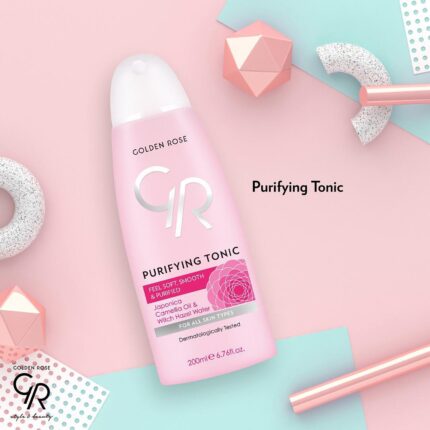
৳ 2,400.00
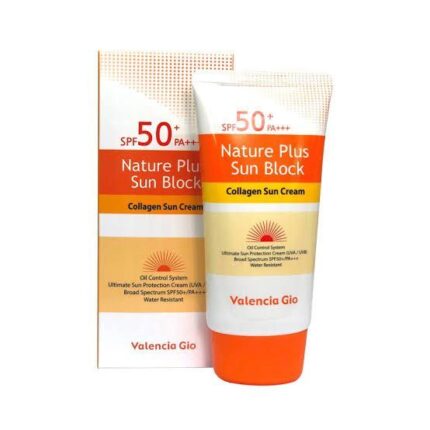
 Sale
SaleOriginal price was: ৳ 2,880.00.৳ 1,999.00Current price is: ৳ 1,999.00.
 Sale
SaleOriginal price was: ৳ 1,050.00.৳ 810.00Current price is: ৳ 810.00.
How matte and dewy finishes differ
Matte and dewy foundations use different formulas and ingredients. For example, matte formulas often include oil absorbers to control shine. Meanwhile, dewy formulas add emollients and light-reflecting particles to boost luminosity.
Texture and coverage
Matte foundation tends to feel weightless and offers medium to full coverage. Dewy foundation often feels hydrating and can range from light to medium coverage. That is why many people choose a dewy sheen for a youthful appearance.
Longevity and wear
Matte formulas usually last longer on oily skin. As a result, they resist shine during humid days. Dewy finishes can wear down faster on very oily skin without touch-ups or setting products.
Visual effect
Matte creates a smooth, flat look that hides excess oil and pores. Yet dewy adds surface luminosity and a fresh glow. A makeup finish comparison usually shows that each finish changes how skin texture reads on camera.
Who should choose matte: matte foundation for oily skin and tips
People with oily or combination skin often prefer matte finishes. Dermatologists recommend matte foundation for oily skin to reduce midday shine. For example, a primer with mattifying ingredients can extend wear.
Oily skin foundation tips include using a lightweight, oil-free foundation and applying powder to the T-zone. This means you can keep coverage even while controlling excess shine. Also, blotting papers help without adding more product.
Pros of matte finish
Matte minimizes shine and can make large pores less visible. It also often performs better in hot, humid conditions. As a result, many people with oily skin find matte is the best foundation finish for everyday wear.
Cons of matte finish
Matte formulas can emphasize dry patches if skin is not prepped. Still, a simple hydrating primer helps balance skin. That is why exfoliation and moisturization are key before applying matte foundation.
Who should choose dewy: dewy foundation for dry skin and care tips
Dry skin often looks healthier with a dewy finish. Dewy foundation for dry skin adds visible moisture and softens fine lines. Because dry skin lacks surface oils, dewy formulas can restore a natural glow.
Dry skin foundation tips include using a hydrating primer and a lightweight moisturizer before makeup. For example, choose a dewy formula with humectants like glycerin to draw water into the skin. This helps makeup appear smooth and fresh all day.
Pros of dewy finish
Dewy finishes reflect light and can create a youthful look. Studies show that glowing skin often appears more radiant in photos and natural light. That is why many makeup artists favor dewy for mature or dry skin.
Cons of dewy finish
Dewy products can look greasy on oily skin without careful prep. Yet you can still use dewy products by mixing in mattifying powders in problem areas. This balance gives a natural finish foundation with controlled shine.
Foundation finish guide: choosing the best foundation finish for you
This foundation finish guide helps you match finish to skin type, climate, and lifestyle. For example, choose matte when you need long wear and shine control. On the other hand, select dewy when you want hydration and a luminous look.
Consider your camera habits and the day ahead. If you work under lights or take photos, a natural finish foundation may suit you best. Natural finish foundation blends glow and control for many skin types.
Factors to consider
Skin type is the top factor to weigh. Next, think about climate and how long you need coverage. Finally, factor in age and texture since mature skin can benefit from added luminosity.
Makeup finish comparison: product and application tips
When you compare products, read ingredient lists and test shades in natural light. For instance, look for oil-free tags for matte formulas and humectant labels for dewy ones. Testing helps you avoid common mismatches.
Application technique also changes the final look. Use a damp sponge to buff dewy formulas for a skin-like finish. For matte foundation, a dense brush can give full, even coverage and blur pores.
Blending and tools
Use a sponge for a softer finish and a brush for more coverage. Still, practice makes the difference in blending. Choose tools that work well with your chosen formula and routine.
Oily skin foundation tips and dry skin foundation tips — quick checklist
For oily skin: start with an oil-control cleanser and lightweight moisturizer. Next, apply a mattifying primer and set with powder only where needed. Also, carry blotting papers for midday touch-ups.
For dry skin: hydrate with a rich moisturizer and a hydrating primer. Then apply a dewy foundation in thin layers and finish with a cream blush. This approach keeps makeup from clinging to dry patches.
Product recommendations and testing advice
Try samples when possible and wear a test shade for a full day. Many beauty counters offer trial sizes and testers for sampling. That way, you can judge longevity and how the finish behaves on your skin.
Pay attention to lighting and feel. If a product looks flat in natural light, test another finish. Research indicates that makeup performs differently under artificial light versus daylight.
Frequently Asked Questions
Which finish lasts longer throughout the day?
Matte finishes generally last longer on oily and combination skin. They resist shine and often need fewer touch-ups. For longer wear, pair matte foundation with a primer and setting powder.
Can dry skin wear matte foundation?
Dry skin can wear matte foundation if the skin is well hydrated first. Use a rich moisturizer and a hydrating primer to prevent patchiness. Finish with a light mist or cream highlight if you want subtle glow.
Is dewy foundation safe for acne-prone skin?
Dewy foundation can be safe for acne-prone skin if formulas are non-comedogenic and oil-free. Look for labels that say non-comedogenic and test on a small area first. Always remove makeup fully at night to prevent breakouts.
How do I choose a natural finish foundation?
Choose a foundation labeled natural finish and test it in daylight for seamless blending. Use minimal powder and a damp sponge for application. That combination usually creates a skin-like result.
Final Thoughts
Matte vs Dewy Foundation: Which One Should You Use? comes down to skin type and lifestyle. The single most important takeaway is to match finish to your skin needs and prep routine. Try a sample, then choose the best foundation finish that fits your daily life and skin goals.