
বায়ু দূষণ ত্বকে কীভাবে ক্ষতি করে? প্রতিরোধে বিজ্ঞানভিত্তিক সমাধান

· By MORESHOP
Quick answer: How does air pollution harm your skin and how to stop it?
Quick answer: Air pollution harms your skin primarily by causing oxidative stress, inflammation, and damage to the skin barrier, leading to premature aging, dryness, pigmentation, and even increased skin cancer risk. Protecting your skin involves regular use of sunscreen, antioxidant-rich skincare, thorough cleansing, and barrier-strengthening ingredients like ceramides and hyaluronic acid. These strategies can significantly reduce pollution’s visible and long-term effects on your skin.
- Air pollution causes oxidative stress that breaks down collagen and elastin, accelerating skin aging.
- Small pollutants penetrate skin, triggering inflammation and worsening conditions like eczema and acne.
- Maintaining skin hydration and barrier integrity is key in pollution defense.
- Use antioxidant skincare daily to neutralize free radicals produced by pollutants.
- Physical protection outdoors, sunscreen, masks, and covering exposed skin, reduces pollutant contact.
Recommended Products
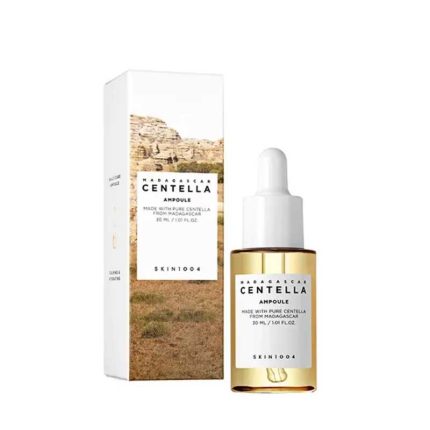 Sale
Original price was: ৳ 1,260.00.৳ 882.00Current price is: ৳ 882.00.
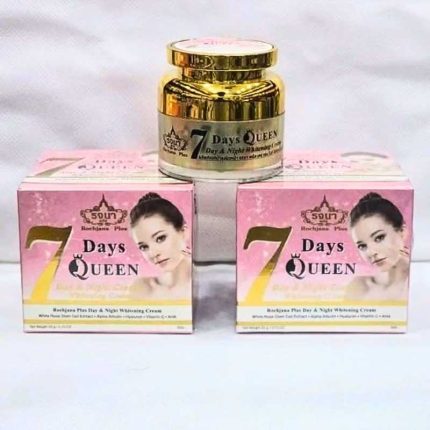 Sale
Original price was: ৳ 1,250.00.৳ 850.00Current price is: ৳ 850.00.
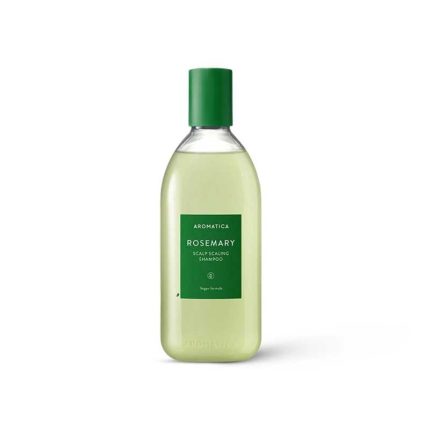 Sale
Original price was: ৳ 4,640.00.৳ 2,970.00Current price is: ৳ 2,970.00.
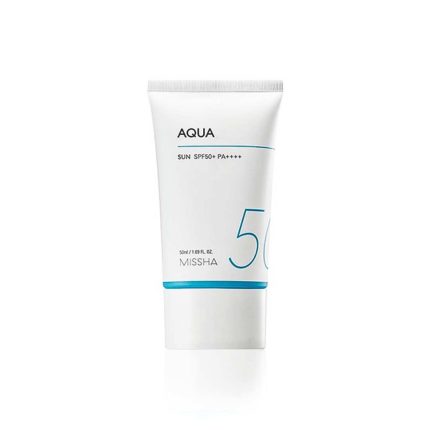 Sale
Original price was: ৳ 1,350.00.৳ 890.00Current price is: ৳ 890.00.
What exactly is air pollution and which components cause skin damage?
Air pollution refers to harmful substances in the air, including gases and fine particles, that can penetrate and damage the skin. Key pollutants responsible for skin damage include particulate matter (PM 2.5 and PM 10), ground-level ozone (O₃), volatile organic compounds (VOCs), heavy metals like lead and mercury, ultraviolet (UV-A and UV-B) rays, polycyclic aromatic hydrocarbons (PAHs), cigarette smoke, carbon monoxide, nitrogen oxides, and sulfur dioxide.
Among these, PM 2.5 particles are especially harmful because their tiny size allows deep penetration into skin layers, causing oxidative damage. UV rays worsen pollution effects by increasing free radical generation on the skin surface. Together, these factors accelerate skin aging and impair skin function, making understanding these pollutants essential for choosing protection methods.
How does air pollution cause oxidative stress and premature skin aging?
Air pollution induces oxidative stress by generating free radicals and reactive oxygen species (ROS) that damage cellular DNA, proteins, and lipids in the skin. This degradation particularly affects collagen and elastin, the structural proteins that keep skin firm and elastic. The loss of these fibers manifests as wrinkles, fine lines, and sagging skin well before natural aging would cause these signs.
Oxidative stress also triggers inflammation and disrupts skin renewal processes. According to recent dermatology insights, PM 2.5 particles elevate free radicals, accelerating aging-related skin damage by up to 30%. To combat this, antioxidant serums containing vitamin C, vitamin E, and ferulic acid are vital as they neutralize free radicals and support skin repair.
In summary, oxidative stress caused by pollution speeds up skin aging significantly, but antioxidant-rich skincare can slow down this process and keep your skin looking youthful.
Why does air pollution cause skin inflammation and worsen existing skin conditions?
Air pollutants, especially PM 2.5 and VOCs, can invade through the skin barrier and provoke an immune response causing redness, itching, swelling, and acne flare-ups. If you already suffer from skin conditions such as eczema, psoriasis, or rosacea, pollution exposure can intensify inflammation and delay healing.
This prolonged inflammation creates a cycle that weakens your skin’s defense, making it more sensitive and vulnerable to irritants. Using calming ingredients like niacinamide and products designed to strengthen your skin barrier can reduce these inflammatory reactions.
Therefore, controlling pollution exposure and using targeted anti-inflammatory skincare are necessary to manage sensitive or compromised skin while living in polluted environments.
How does pollution weaken the skin barrier and cause dryness?
Pollution particles and chemical irritants degrade the skin’s protective barrier, the outermost layer that maintains hydration and defends against environmental aggressors. When this barrier is compromised, water escapes more easily causing dehydration, leading to dry, rough, itchy, or flaky skin.
This moisture loss also disrupts the balance of skin oils, making skin prone to irritation and visible dullness. Consistent use of moisturizers with ceramides, hyaluronic acid, and glycerin helps rebuild this barrier. Maintaining a hydrated and moisturized skin barrier is crucial, especially in polluted environments where water loss is accelerated.
For detailed tips on strengthening this barrier, check out the MoreShopBD article highlighting the benefits of ceramides for skin protection.
In what ways does pollution contribute to hyperpigmentation and acne?
Pollutants stimulate excess melanin production leading to uneven dark spots, freckles, and dull patches known as hyperpigmentation. The mix of pollution particles with skin oil clogs pores and triggers acne outbreaks or worsens existing breakouts.
PAHs and heavy metals are notable contributors to this pigmentation imbalance. Regular exfoliation with alpha hydroxy acids (AHAs) and the use of brightening serums like niacinamide can reduce dark spots and improve skin tone.
Preventing pore blockage by cleansing thoroughly, especially with water-based cleansers, also helps combat pollution-induced acne. For a better cleansing routine, explore the MoreShopBD guide on selecting the right face cleanser for your skin type.
Can air pollution increase the risk of skin cancer?
Yes, long-term exposure to certain air pollutants like UV rays, PAHs, and heavy metals can cause DNA mutations in skin cells, increasing the risk of skin cancer. People who spend extensive time outdoors without adequate protection face the highest risk. UV radiation significantly amplifies damage, highlighting the importance of daily sunscreen use.
Studies suggest that populations in areas with high pollution levels experience greater incidences of non-melanoma skin cancers, emphasizing prevention through sun protection and pollution defense. Wearing broad-spectrum sunscreens and minimizing direct outdoor exposure during peak hours is essential.
What practical steps can you take daily to protect your skin from pollution?
Although complete avoidance of air pollution is impossible, you can minimize damage by adopting a comprehensive skin defense plan:
- Always apply a broad-spectrum sunscreen with at least SPF 30 before going outside.
- Cover exposed skin with hats, scarves, or sunglasses, and wear face masks if pollution is severe.
- Use gentle, water-based cleansers to remove pollutants without stripping moisture.
- Apply antioxidant serums like vitamin C or niacinamide daily to fight free radicals.
- Maintain skin hydration using moisturizers containing ceramides, hyaluronic acid, or glycerin throughout the day.
Consistent adherence to these steps forms a strong barrier against pollution’s harmful effects.
Which skincare ingredients are best for combating pollution-induced skin damage?
Key ingredients proven to mitigate pollution damage include vitamin C, vitamin E, ferulic acid, niacinamide, retinol, ceramides, and hyaluronic acid.
- Vitamin C neutralizes free radicals, brightens skin, and boosts collagen.
- Vitamin E and Ferulic Acid enhance antioxidant protection and skin healing.
- Niacinamide reduces inflammation, strengthens barrier function, and evens skin tone.
- Retinol speeds cell renewal, reduces pigmentation, and smooths wrinkles.
- Ceramides and Hyaluronic Acid restore moisture and reinforce the skin barrier.
Incorporating these ingredients into your routine in the correct order and concentration improves skin resilience. For beginners, products like MoreShopBD’s vitamin C glow boosting moisturizer provide damage defense with added hydration.
How important is cleansing for pollution-damaged skin?
Cleansing removes pollutants, dirt, and excess oils that accumulate on your skin daily. Choosing a gentle, water-based cleanser is crucial because soap-based products can harm the already stressed skin barrier by over-drying or irritating the skin.
Double cleansing with an oil-based cleanser followed by a gentle water-based product effectively removes both pollutant residues and sweat, improving skin brightness and preventing clogged pores. Regular use of clay or charcoal masks twice a week can also detoxify your skin by drawing out impurities.
For detailed cleanser recommendations, visit MoreShopBD’s guide on the best face cleansers by skin type to tailor your cleansing routine.
What lifestyle habits help strengthen your skin against pollution?
Supporting your skin from inside complements topical protection against air pollution. Key habits include:
- Drinking plenty of water (8–10 glasses daily) to maintain internal hydration that reflects on your skin.
- Eating antioxidant-rich foods such as berries, grapes, and green vegetables to fight oxidation internally.
- Reducing intake of sugary and fried foods that increase inflammation.
- Getting 6–8 hours of quality sleep to allow skin repair and regeneration overnight.
- Avoiding smoking and excessive alcohol consumption, both of which exacerbate pollution’s effects on skin.
- Engaging in moderate exercise at least 3 times a week, which improves circulation and skin health.
These healthy habits boost your skin’s natural defense and repair capabilities against pollution damage.
Choosing the right pollution defense for your skin: a decision framework for Bangladeshi shoppers
Understanding which protection strategy fits your lifestyle and skin needs requires evaluating your exposure level, skin type, and budget. Here is a simple framework:
- Low pollution exposure, normal skin: Focus on daily sunscreen (e.g., 30+ SPF) and light hydration with hyaluronic acid-based moisturizers.
- Moderate exposure, sensitive or dry skin: Add antioxidant serums containing vitamin C and ceramides, plus use gentle water-based cleansers and clay masks weekly to detoxify.
- High pollution exposure, oily/acne-prone skin: Opt for niacinamide serums to control inflammation, retinol at night for skin renewal, and deep cleansing twice daily with water-based cleansers.
- Budget-conscious shoppers: Prioritize the sunscreen and a basic ceramide or hyaluronic acid moisturizer; antioxidant serums can be introduced gradually.
Example: A commuter in Dhaka exposed to high pollution daily would benefit most from a routine centering on sunscreen, niacinamide serum, and a clay mask twice a week, investing around 1500–2500 BDT monthly at MoreShopBD for effective products.
Who should NOT use complex multi-product protocols? Beginners with very sensitive skin should introduce active ingredients slowly, avoiding retinol until barrier strength improves.
What common mistakes reduce pollution protection effectiveness?
- Skipping sunscreen on cloudy or short outdoor trips reduces protection against UV and pollution-activated damage.
- Using soap-based or overly harsh cleansers that strip natural oils worsens skin barrier damage.
- Neglecting nighttime skin repair by omitting nourishing creams slows recovery from daily pollution exposure.
- Layering incompatible active ingredients wrongly (e.g., retinol and vitamin C simultaneously) can irritate skin.
- Ignoring hydration despite regular cleansing leads to dry, vulnerable skin.
Avoiding these mistakes ensures your pollution defense regimen works optimally and keeps skin healthy.
How do sunscreen choices affect pollution skin protection?
Sunscreens are critical because UV rays amplify pollution’s harmful effects. Physical (mineral) sunscreens with zinc oxide or titanium dioxide reflect UV radiation and provide a safer option for sensitive or acne-prone skin, causing less irritation than many chemical filters.
Chemical sunscreens absorb UV rays but may degrade faster in polluted environments and sometimes cause skin irritation.
Therefore, a broad-spectrum physical sunscreen with SPF 30 or higher is generally recommended for Bangladeshi climates to guard against both UV and pollution-related oxidative stress. Reapplication every 2 hours is essential when outdoors.
For more on sunscreen myths and choosing the right formula, visit the MoreShopBD article on physical vs. chemical sunscreens.
When should you seek professional help for pollution-related skin issues?
If your skin shows persistent inflammation, redness, rashes, or repeated acne outbreaks despite proper home care, consult a dermatologist. Medical-grade treatments like prescription topical agents or in-clinic procedures may be needed to address severe damage or conditions aggravated by pollution.
Early specialist intervention prevents chronic skin problems and supports faster recovery in polluted living environments such as Dhaka. Additionally, professional guidance helps tailor skincare to manage sensitive or allergic reactions arising from pollution exposure effectively.
Practical checklist: Daily routine to protect your skin from air pollution
- Apply broad-spectrum sunscreen before leaving the house.
- Wear hats, sunglasses, and scarves; use masks in high pollution areas.
- Cleanse face twice daily with a gentle, water-based cleanser.
- Use antioxidant serums (vitamin C, niacinamide) morning and/or night.
- Moisturize with ceramide or hyaluronic acid-rich creams to seal hydration.
- Apply a night recovery cream with retinol or peptides.
- Drink 8+ glasses of water and include antioxidant foods in your diet.
- Avoid smoking, alcohol, and excessive sugar intake.
- Consult a dermatologist if skin issues persist or worsen.
Frequently asked questions about air pollution and skin
How does air pollution damage the skin?
Air pollution causes oxidative stress by generating free radicals that damage skin cells, leading to premature aging, inflammation, dryness, pigmentation, and increased risk of skin cancer.
What are the main air pollutants harmful to skin?
The harmful pollutants include particulate matter (PM 2.5 and PM 10), ground-level ozone, volatile organic compounds, heavy metals like lead and mercury, ultraviolet rays (UV-A, UV-B), polycyclic aromatic hydrocarbons, and cigarette smoke.
How can I protect my skin from air pollution daily?
Use broad-spectrum sunscreen, cover exposed skin with clothing or masks, cleanse skin thoroughly with gentle products, apply antioxidant serums, and maintain hydration with moisturizers containing ceramides or hyaluronic acid.
Which skincare ingredients help repair pollution-damaged skin?
Ingredients like vitamin C, vitamin E, ferulic acid, niacinamide, ceramides, hyaluronic acid, and retinol help neutralize free radicals, reduce inflammation, strengthen the skin barrier, and promote skin renewal.
When should I see a dermatologist for pollution-affected skin?
Seek specialist care if you experience persistent redness, inflammation, rashes, or acne that do not improve with regular skincare, as medical treatments may be necessary to address severe damage.